Sequential Native Yeast Fermentation Cut Alcohol in Cabernet Sauvignon, Study Finds
Researchers said the slower two-step method produced more complex aromas with indigenous yeasts.
Friday, September 25, 2026

Views › 2925
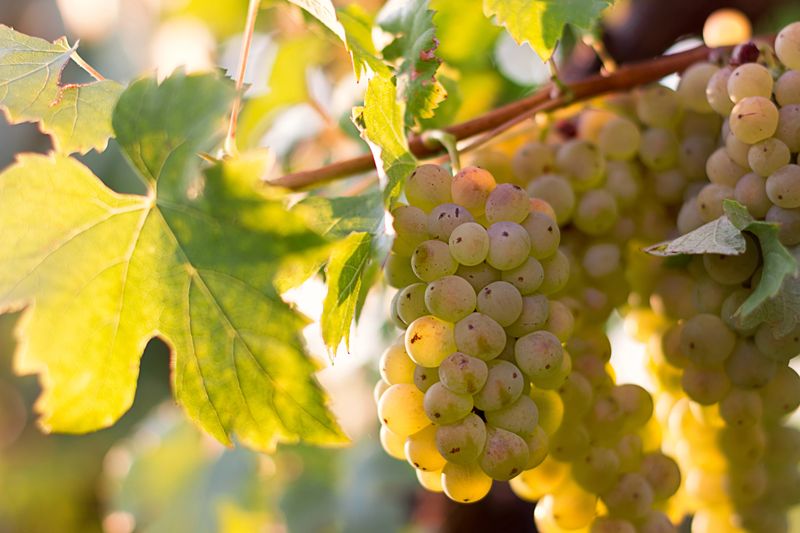
Researchers in China reported that a staged fermentation process using two native wine yeasts produced Cabernet Sauvignon with lower alcohol and a more complex aroma profile than wine made with standard single-yeast fermentation.
The study, published Sept. 25 in the journal npj Science of Food, tested three controlled alcoholic fermentation methods in Cabernet Sauvignon must. One used only the indigenous yeast Saccharomyces cerevisiae. A second added Saccharomyces cerevisiae and Hanseniaspora uvarum at the same time. A third, described as sequential fermentation, started with indigenous Hanseniaspora uvarum and added Saccharomyces cerevisiae two days later.
The researchers, from Huazhong Agricultural University in Wuhan and the Henan Institute of Science and Technology in Xinxiang, said the sequential approach delivered the strongest overall changes in the finished wine. Compared with the single-yeast method, it lowered ethanol, raised total acidity, increased color saturation, and boosted levels of polyphenols and anthocyanins, compounds tied to structure, color, and mouthfeel in red wine.
The work focused on indigenous strains rather than commercial starter cultures. The Hanseniaspora uvarum strain was identified as Z5L-22. The authors examined fermentation speed, chemical composition, color traits, polyphenol content, and aroma compounds in the resulting wines.
In the single-yeast and simultaneous methods, Saccharomyces cerevisiae quickly became the dominant microorganism. In the sequential method, fermentation developed more slowly and lasted longer. The authors said that happened because Hanseniaspora uvarum consumed nutrients early, which delayed later growth by Saccharomyces cerevisiae.
That slower path still produced what the researchers described as a more favorable balance in the final wine. Both mixed fermentations, the simultaneous and sequential versions, reduced ethanol and increased acidity compared with pure Saccharomyces fermentation. But the sequential method stood out most clearly in compounds linked to color and aroma.
According to the paper, wines from the sequential treatment showed significantly higher amounts of polyphenols and anthocyanins than wines from the other two methods. Those increases were associated with improved chromatic properties, meaning deeper or more stable visual characteristics in the glass. For red wine producers, those traits can be important because color is closely tied to consumer perception of quality and varietal style.
The aroma results were also central to the study. The sequentially fermented wines contained a broader and more abundant mix of both grape-derived and fermentation-derived volatile compounds. The authors pointed in particular to higher levels of acetate esters, higher alcohols, benzene derivatives, and key monoterpenes. Those compounds are often associated with fruity, floral, and more layered aromatic notes, although sensory perception depends on concentration and interaction among many molecules.
The paper did not present the findings as a universal recipe for all wines. It was limited to Cabernet Sauvignon and to the specific indigenous yeast strains used in the experiment. Still, the results add to a growing body of research on non-Saccharomyces yeasts, which are being studied as tools to shape flavor, texture, and alcohol levels without relying only on conventional Saccharomyces fermentation.
That has practical implications for the beverage industry, especially wine producers looking for ways to make lower-alcohol products without flattening aroma or weakening overall quality. The new results suggest that native yeast management may offer one route to adjust ethanol, acidity, color, and aromatic complexity at the same time. Whether that approach performs as well at commercial scale, across vintages, or in other grape varieties would require further testing.
Interest in lower-alcohol wine has grown as producers respond to changing consumer preferences and, in some regions, riper grapes linked to warmer growing conditions. One challenge has been that cutting alcohol can also affect body, aroma release, and balance. The study’s significance lies in the possibility that a carefully timed mixed fermentation could reduce alcohol while preserving, or in some cases improving, traits that matter to wine style.
The authors said the sequential process “optimally balances” reduced alcohol with stronger polyphenolic and aromatic complexity in their experimental setting. Because the study was carried out under controlled conditions, the results are best understood as evidence of a promising technique rather than proof that every winery would achieve the same outcome.
The paper was written by Lanlan Hu, Zhen Wang, Xiaohong Wang, and Xiuyan Zhang. It was received on March 22, accepted on Sept. 6, and published on Sept. 25. The research was funded by the National Natural Science Foundation of China, and the authors declared no competing interests.