Study Finds Ireland Imposes Europe’s Second-Highest Alcohol Taxes
The report says excise duties on beer, wine and spirits far exceed those in most neighboring markets ahead of budget talks.
2026-08-21
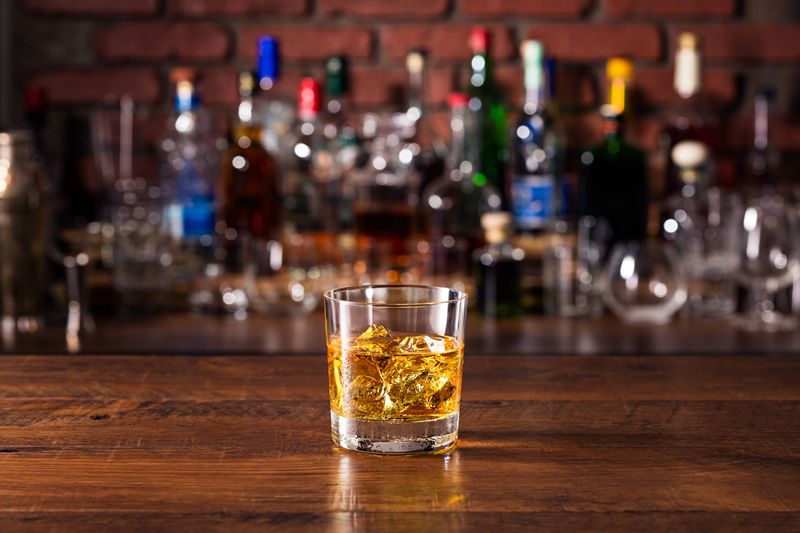
Irish drinkers face some of the highest alcohol taxes in Europe, according to research released Friday that places Ireland second only to Finland for excise duties across the European Union and the U.K.
The study was prepared by Anthony Foley, an economist and associate professor emeritus at Dublin City University, and commissioned by the Drinks Industry Group of Ireland, known as DIGI. It found that, when beer, wine and spirits are considered together, Ireland has the second-highest alcohol excise burden in the EU and U.K. By category, Irish excise on wine ranks second highest, while beer and spirits rank third highest.
The figures underline how heavily taxes shape the retail price of alcoholic drinks in Ireland. A pint of beer bought in an Irish pub carries €0.55 in excise duty, the research said, compared with €0.05 in Spain and Germany. For Irish whiskey, the gap is also wide. A 70cl bottle sold in Ireland carries €11.92 in excise, compared with €2.69 in Spain and €3.65 in Germany. According to the report, that €11.92 tax accounts for more than half of the final price paid by the customer.
Wine showed a similar pattern. The report said excise accounts for €3.19 of the €11 shelf price of a standard bottle of wine bought in an off-license in Ireland. When value-added tax of €2.06 is included, the combined tax bill reaches €5.25, or 48% of the purchase price. In bars and restaurants, the tax share is smaller but still significant. A glass of wine sold for €8.50 includes €0.80 in excise and €1.59 in VAT, for a total tax component of €2.39, the study said.
The cross-European comparison was especially sharp on wine. The research said 14 European countries charge no excise duty at all on wine, including Spain, Portugal, Italy, Germany and Greece. France, it said, charges €0.01 on a standard glass of wine.
Foley said the purpose of the report was to measure Ireland’s excise rates against those in other European markets. In remarks cited with the study, he said the findings showed “without doubt” that Ireland’s alcohol excise levels remain very high in 2026 when compared with most other countries in Europe.
The publication of the research adds pressure to a long-running tax debate ahead of Ireland’s next budget. DIGI said it wants the government to cut alcohol excise by 10%, arguing that current rates are hurting pubs and other parts of the drinks trade. The group linked high taxes to the steady closure of pubs in recent years and said the issue has become more urgent as alcohol consumption in Ireland has fallen closer to average European levels.
Donall O’Keeffe, secretary of DIGI, said the tax system no longer reflects the market conditions that may once have been used to justify it. He said the effect now is to make Irish pubs too expensive for local customers and visitors and to weaken the businesses that depend on pub trade. He also argued that the tax burden affects related parts of the drinks economy, including breweries, distilleries and off-licenses.
That broader effect is likely to matter well beyond pub operators. If the current excise structure remains in place, it could continue to influence bottle prices, bar prices and margins across the beverage sector, especially for Irish whiskey producers and hospitality businesses already dealing with high operating costs. Any change in the budget, including the 10% reduction sought by DIGI, could alter pricing and profitability for distilleries, wholesalers, retailers and on-trade venues.
The report also highlights a tension in Ireland’s alcohol policy. Tax officials and health policymakers have long treated excise as a tool to influence consumption, but the industry group argues that the market has changed. DIGI said Irish alcohol consumption is no longer among the highest in Europe and has moved toward the continental average. From the group’s perspective, that means the practical effect of today’s tax regime is less about reducing drinking and more about pushing up prices in pubs, restaurants and stores.
For whiskey, the issue carries additional weight because Ireland is both a major producer and an important tourism market for the category. A tax charge of €11.92 on a standard 70cl bottle means excise makes up a large part of the domestic price of one of the country’s signature drinks. That has implications not only for consumers but also for how Irish-made spirits compete at home against imported products and against drinks sold in lower-tax jurisdictions.
Beer faces a similar challenge in the on-trade, where pricing is highly visible to consumers. An excise charge of €0.55 on a pint may appear modest in isolation, but the comparison with Spain and Germany shows how much more tax is built into a pub serve in Ireland than in some other large European markets. Industry representatives say that difference becomes harder to absorb as costs rise for energy, wages, insurance and rent.
The Irish government has not responded in the report to DIGI’s request for a 10% excise cut, and the research itself does not set out fiscal costings for such a measure. What it does provide is a fresh set of benchmark figures that industry groups are likely to use in the coming budget debate as they press the case that Ireland’s alcohol taxes are out of line with most of Europe.
