Southern Brazil Wine Conference Turns to Climate-Resilient Production
The Aug. 27-29 meeting in Bento Gonçalves will bring speakers from eight countries to discuss biotechnology, lower water use and reduced chemical inputs.
2026-08-14
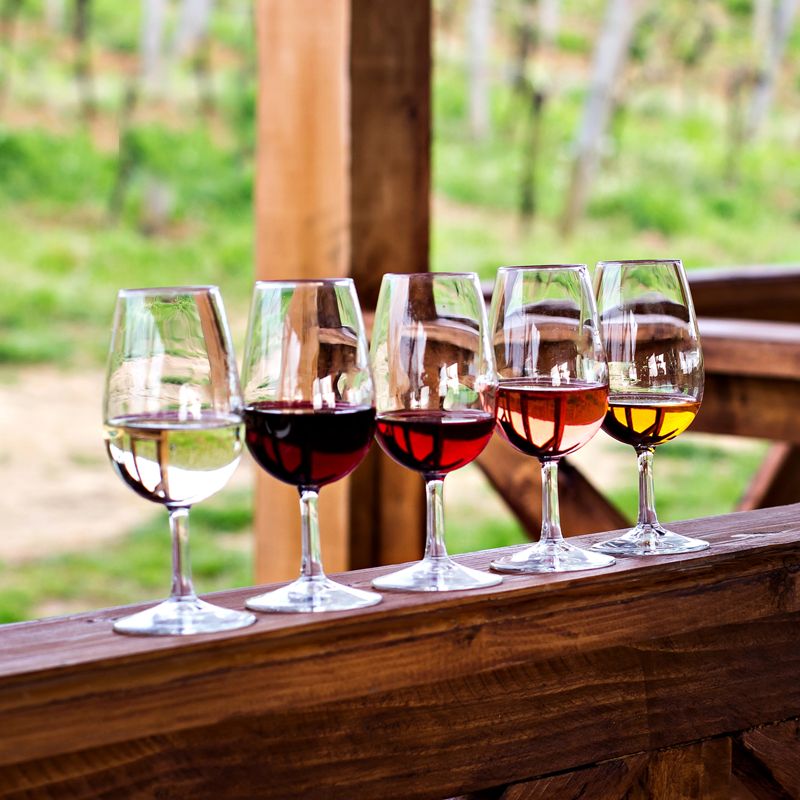
A wine industry conference in southern Brazil will turn its attention this month to a question that is reshaping vineyards and cellars around the world: how to make wine with fewer inputs, less waste and more resilience to climate pressure.
The event, called the 2nd EnoMeeting by ConceptWine, is scheduled for Aug. 27 through Aug. 29 in Bento Gonçalves, in the state of Rio Grande do Sul, one of Brazil’s main wine regions. Organizers say the program will bring together researchers, winemakers, technicians, sommeliers, students and other professionals for more than 20 hours of talks, master classes and guided tastings with simultaneous translation.
The meeting comes as wine producers in Brazil and abroad face a mix of practical and economic pressures. Hotter seasons, shifting rainfall, disease pressure in vineyards and rising expectations from consumers and regulators have pushed wineries to rethink how grapes are grown and how wine is made. The conference theme, “Technology and Sustainability in Enology,” reflects that broader change.
According to organizers, the program will focus on tools and practices already being tested in vineyards and wineries, including the development of grape varieties with greater resistance to disease, a reduction in the use of crop-protection chemicals, more precise and preventive vineyard management, lower water use in wineries and biotechnology aimed at making production both more natural and more efficient.
Among the international speakers is Fernando Cordova, a Chilean researcher who is expected to present work on biotechnology in winemaking. His talk is set to examine methods that use microorganisms to promote the natural acidification of wines, a process that can reduce and in some cases eliminate the need for added chemical products during production.
Cordova is also expected to address what he describes as a broader “metacrisis” in global viticulture, where climate change, pest pressure, changes in grape composition and the need for more efficient production are challenging long-standing models in the industry. In comments released by the organizers, he said today’s problems require a move toward what he called systemic resilience, with biotechnology and a more integrated view of the production chain helping producers turn vulnerabilities into opportunities.
His presentation is also expected to look at how minor pest damage can affect wine quality and how tighter coordination between vineyard and winery management, along with careful energy use and temperature control, can improve both efficiency and sustainability. The emphasis, according to the event materials, is not only on fixing problems after they appear, but also on rebuilding balance within the production system.
Another speaker, Isabela Peregrino, a consultant in enology, quality control and health regulation, is expected to focus on vineyard management practices used in the Brazilian states of Minas Gerais and São Paulo. Her session will examine how growers in those regions adapt pruning and other techniques to local climate conditions in order to improve grape quality and vineyard productivity.
The conference will feature speakers from eight countries: Brazil, South Africa, France, Chile, Uruguay, Spain, Portugal and Paraguay. That international range is part of the event’s appeal, especially for Brazilian producers looking to compare local challenges with those faced in other wine regions.
One of the most prominent names on the program is Yvette van der Merwe, president of the International Organisation of Vine and Wine, or OIV, a key global body for the sector. Organizers said her talk will address worldwide trends in wine, sustainability challenges and changing consumer behavior at a time when the market is being shaped by environmental concerns, cost pressures and shifts in demand.
Other announced speakers include Mario Geisse, a winemaker widely known for his work with sparkling wines; Francisco Carrau, a Uruguayan researcher with a long record in enology; Juan Carlos Sancha of Spain, a specialist in ecological viticulture; Mathieu Basquiat of France, who works in precision enology; Pedro Felix of Portugal, whose research centers on sustainability-related technologies; and Cristian Pemjean Lang of Paraguay, who is expected to discuss innovation and sustainability in the glass industry.
Brazilian speakers will include Adeliano Cargnin, a researcher at Embrapa Grape and Wine who specializes in sustainable viticulture, and Marcos Gabardo, a winemaker and researcher known for studies on the use of Brazilian woods in enology.
Bento Gonçalves, the host city, has become one of Brazil’s most visible wine destinations, with wineries, tasting rooms and wine tourism helping to anchor the local economy. Holding a technical conference there reinforces the city’s role not only as a tourism center but also as a place where the industry debates how to respond to rapid changes in production and consumption.
The event will take place at the Dall’Onder Grande Hotel. Registration remains open, according to the organizers, with special conditions offered to members of the Brazilian Enology Association. Admission includes master classes, tastings, an opening cocktail, a closing cocktail and a certificate, organizers said. More details are being provided through ConceptWine and the event’s official channels on social media.
