Georgia Produced a 30-Year High of 260 Million Liters of Wine in 2025
The total was 5% above 2024 and 25.1% above the five-year average, placing the country 16th worldwide.
2026-08-14
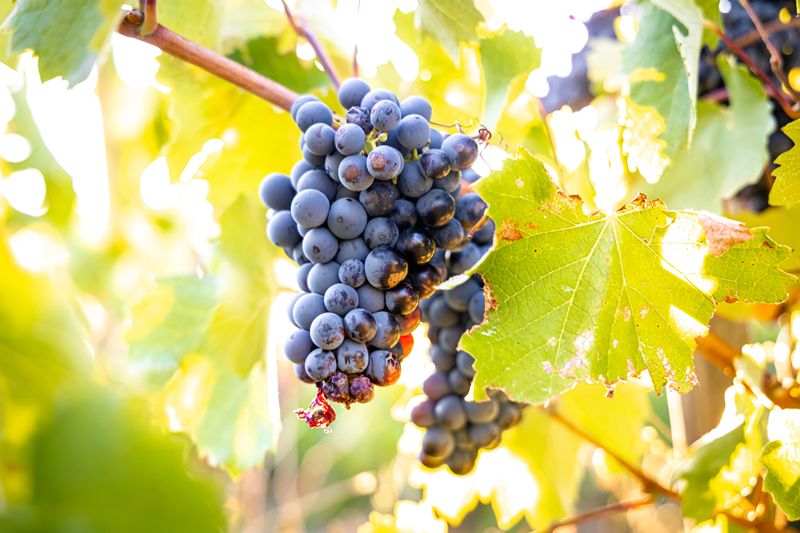
Georgia produced 260 million liters of wine in 2025, the highest level recorded in the country since the early 1990s, according to data from the International Organisation of Vine and Wine, or OIV.
The figure was 5% higher than in 2024 and 25.1% above Georgia’s average for the past five years, setting a new high for the country over the past three decades. The result stands out at a time when wine production has been under pressure in many other parts of the world.
Industry assessments cited by the report linked the increase in Georgia to a mix of favorable weather, continued expansion in the wine sector and stronger demand for Georgian wine in international markets. Those factors helped lift output in a country that has worked for years to deepen its presence abroad while also building on its long-established wine culture.
With 260 million liters produced, Georgia ranked 16th among the world’s largest wine-producing countries in 2025. Its share of global wine production was about 1.1%, according to the OIV data.
The gain came as global wine production moved in the opposite direction. Worldwide output in 2025 totaled 22.7 billion liters, the organization said. That was 9.4% below the average level of the past five years, reflecting a broader slowdown across major producing regions.
Experts tied the global decline mainly to unfavorable weather in Europe, where difficult growing conditions hurt grape yields. Europe remains central to the wine industry, and weather problems there can have an outsize effect on total world production. Lower harvests in some of the largest producing countries weighed on the global number even as smaller and midsize producers, including Georgia, posted stronger results.
Georgia’s increase is likely to draw attention from producers and traders because it suggests the country is strengthening its position during a difficult period for the wider industry. Higher output can give exporters more room to serve existing markets and pursue new ones, especially when supply from other origins is tighter.
The OIV figures also point to the different ways climate and geography are shaping wine production. While parts of Europe faced weather that reduced vineyard productivity, Georgia benefited from conditions that supported a stronger harvest. That contrast helped the country post a record year even as world production fell below recent norms.
For Georgian producers, the 2025 result adds to a period of growth that has been driven not only by vineyard conditions but also by investment in production capacity and stronger overseas interest in Georgian wine. Demand from international markets has become an important part of the sector’s expansion, supporting higher output and helping the country raise its profile in the global trade.
The latest data place Georgia in a relatively small but notable group of producers that were able to expand in 2025 despite broad weakness in the world market. Its production remains far below that of the largest wine countries, but the new record shows that Georgia is increasing its weight in the industry at a time when supply conditions remain uncertain in many traditional regions.
The 2025 figures are likely to be watched closely by growers, exporters and buyers in the coming months as the market responds to lower global supply and shifting production patterns. In Georgia, the record harvest gives the country a stronger position in a year when many competitors faced a more difficult season.
