Sparkling wine overtook bottled still wine by import value in Singapore in 2024
Public customs data show the shift reflected higher-priced bottles and reexports, not a broad change in what consumers drink.
Wednesday, August 5, 2026
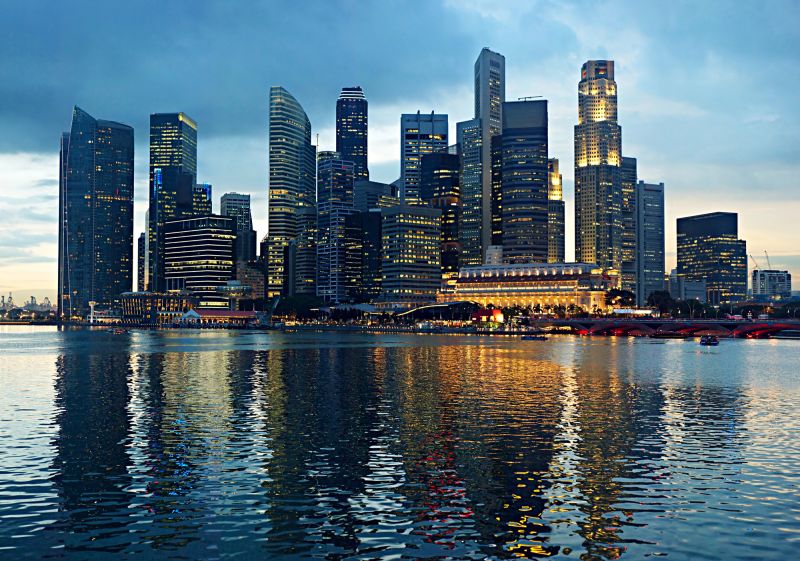
Sparkling wine has moved ahead of bottled still wine in the value of Singapore’s imports, but the shift reflects the price of the bottles coming into the country, not a broader change in how much wine people there drink.
The immediate trigger for the latest attention was an analysis by journalist Natalie Wang published by Vino Joy on July 17 and later reproduced by the French Chamber of Commerce in Singapore. According to that report, sparkling wines accounted for a little more than 52% of the combined import value of sparkling and still bottled wine in 2025, holding their lead for a second straight year. The same report also said sparkling wine import volumes fell during 2025, which means the crossover came from the value of the trade rather than a rise in physical shipments. Because the full Vino Joy article is behind a paywall and its detailed methodology is not available in the open version, the 2025 figure should be attributed to that analysis.
Public customs data make it possible to verify the pattern clearly for 2024. Figures on the World Bank’s World Integrated Trade Solution platform, which reproduces UN Comtrade data, show that Singapore imported $375.66 million worth of sparkling wine under tariff code HS 220410 in 2024, equal to 10.04 million liters. In the same year, imports of non-sparkling wine in containers of up to two liters, under HS 220421, reached $322.32 million and 16.22 million liters. That means sparkling wine represented 53.8% of the combined import value of those two categories, while accounting for only 38.2% of the volume.
The contrast is even clearer when measured by declared value per liter. In 2024, sparkling wine entered Singapore at about $37.4 per liter on average. Bottled still wine came in at about $19.9 per liter. In other words, each liter of sparkling wine carried almost twice the value of still bottled wine. Singapore imported roughly six million more liters of still wine than sparkling wine that year, yet sparkling wine’s total value was $53.3 million higher.
Another trade series points to the same recent shift. Data compiled by Canada’s agriculture ministry from Global Trade Tracker show sparkling wine imports into Singapore at C$641.1 million in 2023, still slightly below the C$654 million recorded for still wine in containers of up to two liters. In 2024, sparkling wine fell to C$514.2 million, but still wine dropped more sharply, to C$441.8 million. In that series, still wine stayed ahead from 2020 through 2023 and sparkling wine moved ahead in 2024. The overtake happened not because sparkling wine imports surged, but because they declined less than bottled still wine.
That distinction matters because the import story does not match what is sold and consumed inside Singapore. The latest full market breakdown available, based on Euromonitor data for 2023, shows red, white and rosé still wine accounting for 82.6% of volume sold through retail and food service, while Champagne and other sparkling wines represented 11%. In absolute terms, still wine sales reached 12.8 million liters, compared with 1.7 million liters for sparkling wine. Still wine also led on value in the domestic market, at $462 million versus $167.3 million for sparkling wine. Those figures mean it would be wrong to say that consumers in Singapore buy or drink more sparkling wine than still wine.
A large part of the explanation is Champagne. France supplied about 96.7% of the value of all sparkling wine imported by Singapore in 2024, or $363.1 million out of a total of $375.7 million. Australia and Italy, the next suppliers, together accounted for only about $9.2 million. The pattern does not point to a broad-based wave of Prosecco, Cava or lower-priced sparkling wine. It points mainly to the economic weight of Champagne and of high-priced labels within that segment.
Singapore’s role as a regional trading hub also shapes the numbers. The International Organisation of Vine and Wine estimates that the country reexports about half of the wine it imports by volume and 71% by value. For the 2018-2023 period, sparkling wines contributed an average of 50.5% of the value of Singapore’s wine imports while making up only 35.7% of the liters, according to the same organization. France represented 70% of the total value of Singapore’s wine imports over that period, and 78% of the French wine arriving in Singapore was sparkling, almost all of it classified as Champagne.
That helps explain why import values can be far above the level suggested by local consumption. Singapore’s bonded warehouses, regional distribution business, private cellars and reexport trade all raise the value of wine entering the country. Bottles may be stored, traded or forwarded to other markets rather than opened in Singapore. Japan, Hong Kong and Australia are among the main later destinations for those wines.
The recent attention around 2024 and 2025 should also be framed carefully. It is accurate to say sparkling wine has been ahead of still bottled wine in Singapore’s import value for two consecutive years, based on the Vino Joy analysis for 2025 and public customs data for 2024. It is not accurate to say this happened for the first time in recorded history in 2024. UN Comtrade records show that in 2019 Singapore imported $342.76 million in sparkling wine, compared with $273.51 million in still wine under HS 220421. On that basis, sparkling wine represented about 55.6% of the combined value of the two categories in 2019 as well. The International Organisation of Vine and Wine has also reported that sparkling wine, on average, already contributed more import value than bottled still wine over the 2018-2023 period.
The result is a market with two different stories at once. In trade data, sparkling wine now carries more value than bottled still wine entering Singapore, largely because of Champagne’s price and the city-state’s role as a storage and reexport center. In the domestic market, still wine remains dominant on shelves, in restaurants and in overall consumption, with more bottles sold, more liters consumed and higher total sales value inside Singapore.