French Law Lets Vineyards Suspend Weekly Rest Only in Narrow Cases
A labor update says Sunday work during the grape harvest must be indispensable, with rest shifted or compensated under legal rules.
2026-08-19
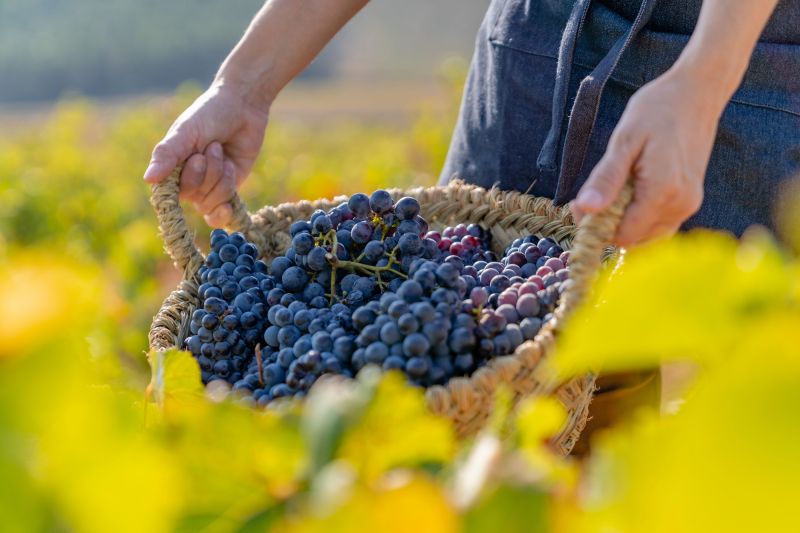
French employers using harvest contracts for the grape pick can suspend the normal weekly rest period only under defined legal conditions, according to a labor law update published Wednesday by LégiSocial that points back to a decree issued on July 9, 2024.
The reminder matters in France’s wine regions as vineyards prepare staffing plans for harvest work, one of the most time-sensitive periods of the year. The rule can give wineries and other agricultural employers more room to organize Sunday shifts and respond to short peaks in labor demand, but only if they stay within the framework set by French labor law.
Under the French rules cited by LégiSocial, agricultural employees are normally entitled to 24 consecutive hours of weekly rest, generally taken on Sunday. That weekly break is added to the 11 consecutive hours of daily rest required for all employees under the labor code.
The legal update says that when Sunday work is indispensable to the operation of the business, the weekly rest period may be arranged differently for all or part of the workforce, either throughout the year or during certain periods only. The available options include giving the rest day on a day other than Sunday, as long as the employee still has a Sunday rest day at least once every four weeks.
Another option allows for a half-day off on Sunday combined with one full day of compensatory rest on a rotating basis every two weeks. The rules also allow rotating rest schedules as long as the rest day falls on Sunday at least twice a month.
LégiSocial also notes that weekly rest may be given on a rotating basis for tourism reception activities connected to the farm operation. It adds that rotating weekly rest is also possible when work is organized on a continuous basis.
The measure comes from a decree that, according to the update, made it possible to suspend weekly rest in certain branches of agricultural production in the context of harvest contracts. In practice, that means employers cannot treat the rule as a blanket waiver. They must still respect the legal conditions that govern how rest is shifted, compensated or organized.
For the drinks industry, the change is especially relevant in vineyards, where the harvest often has to be completed quickly because of weather, grape maturity and cellar scheduling. A narrow picking window can create pressure to maintain crews over weekends, especially when labor is tight. The rule may help estates keep fruit moving from vine to winery without the same level of restriction as a standard weekly schedule, but it also raises compliance risks for employers that misread the exception.
French harvest contracts, widely used for seasonal grape-picking work, are a long-standing labor tool in winegrowing areas. Because harvest activity is concentrated in a short period and can be disrupted by rain, heat or ripening shifts, labor flexibility has become a practical issue for producers trying to preserve grape quality. In that context, the reminder published this week is likely to draw attention from vineyard managers, labor advisers and growers organizing crews for late-summer and early-fall work.
The legal framework does not remove the underlying employee protections on rest time. Instead, it creates narrow ways to reorganize that rest when Sunday work is considered essential to the business. For producers, that means the operational benefit comes with record-keeping and scheduling obligations, especially if they rely on rotating shifts or compensatory rest.
The issue also extends beyond grape picking itself. Estates that combine agricultural production with tourism activities may also need to manage staffing across tasting rooms, visitor services and other on-site operations during busy periods. The possibility of using rotating rest arrangements in tourism reception tied to the farm could therefore affect not only vineyard labor planning but also the broader staffing model at wine properties that receive visitors during harvest season.
In France, where harvest timing can shape both production and sales activity, labor rules around weekly rest have a direct effect on how quickly producers can bring in grapes and keep operations running. The updated attention on the 2024 decree signals that employers in the sector are expected to use that flexibility carefully, with Sunday work justified by operational necessity and rest arrangements kept within the limits laid out in the law.
