European Union Seeks U.S. Tariff Relief for Wine and Spirits
Brussels asked Washington to cut or remove 15% duties on selected exports as producers face weaker demand and higher costs.
Tuesday, July 21, 2026
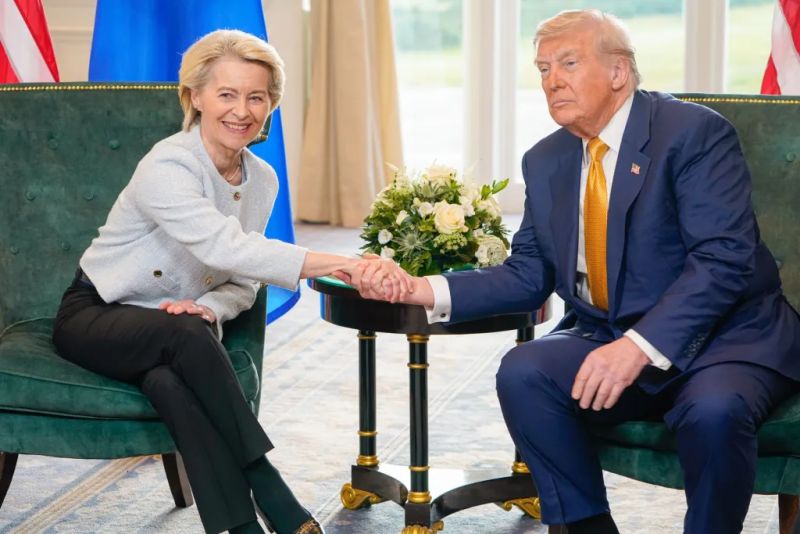
The European Commission has asked the United States to reduce or remove the 15% tariffs now applied to a group of European exports that includes wine and spirits, according to European Union officials who spoke Monday about the request.
Brussels has not published the full list of products for which it is seeking relief. But European media outlets including Euractiv and Euronews reported that wine and liquor are among the categories under discussion, along with olive oil, pasta and some French cheeses. EU officials said the products selected are important not only for European exporters but also for the U.S. economy.
The request comes under the trade framework agreed by Brussels and Washington on July 27, 2025, and in force since July 1, 2026. Under that arrangement, U.S. industrial goods can enter the European Union duty-free, while most EU exports to the United States face a 15% tariff. The deal was negotiated by European Commission President Ursula von der Leyen and President Donald Trump after Washington had threatened to impose a broader 25% tariff during an escalating trade dispute.
European officials said the new list was prepared based on EU commercial interests and on sectors where lower duties could help expand exports to the American market. They said they hope to secure the best possible outcome in talks with Washington and obtain a commitment from the U.S. side.
For Europe’s wine and spirits industries, any rollback would be significant. Producers across both sectors have been dealing with weaker global consumption and rising pressure from several fronts, including slower demand in key export markets and higher operating costs. A cut in U.S. import duties would ease some of that strain in one of the world’s most important markets for premium wine and distilled products.
The United States remains a critical destination for European wine exporters, especially producers in France, Italy and Spain, as well as for makers of Scotch whisky, Cognac, Irish whiskey and other spirits sold through American importers, distributors and retailers. Tariffs at the border raise landed costs and can affect pricing throughout the supply chain, often forcing importers either to absorb part of the increase or pass it on to consumers.
That matters at a time when many wine businesses are already facing softer sales. Across major producing countries, wineries have reported weaker consumption, especially among younger drinkers and in mature markets where inflation has changed household spending patterns. Spirits producers have also faced a more cautious consumer environment after several years of strong premiumization.
EU officials argued that lowering tariffs on these categories would not only support European exporters but also benefit U.S. businesses tied to their sale. Importers, wholesalers, restaurants, wine shops and hospitality groups all depend on access to European bottles that occupy a large share of the American market. In that sense, Brussels is framing its request not simply as a concession to Europe but as a measure with commercial value on both sides of the Atlantic.
At the same time, European officials acknowledged that Washington has raised its own concerns about what it sees as non-tariff barriers in the EU market. Those issues remain part of the broader dialogue between both sides. The officials did not specify which barriers were being discussed in this latest round, but they stressed that contacts between Brussels and Washington are ongoing.
The trade relationship between the European Union and the United States remains one of the largest in the world. According to European Commission data, total trade in goods and services between the two economies reached €1.8 trillion in 2025, up 4.5% from the previous year. The EU exported more goods to the United States than it imported, while the U.S. maintained its position as a leading provider of services.
Brussels says last year’s agreement helped protect trade flows and investment from a wider conflict at a time when both sides were trying to avoid further escalation. The current push to carve out tariff relief for selected products suggests that even after that deal took effect, pressure remains strong from sectors still burdened by duties.
For wine in particular, tariff policy has long had effects beyond customs paperwork. Import taxes can influence restaurant lists, retail shelf prices and promotional budgets during periods when consumers are already trading down or buying less often. In spirits, where brand positioning is closely tied to price points, even modest changes in duty levels can alter competitiveness across categories.
No timeline has been announced for a U.S. response to the EU request, and the Commission has not said whether it expects immediate negotiations on wine and spirits specifically or a broader review of product lines covered by the 15% tariff regime. For now, producers and traders are watching closely for signs that Washington may be willing to soften duties on beverages that remain central to transatlantic commerce.