California Wine Exports to Canada Have Fallen Nearly 90% Since March 2025
The drop from nearly $40 million a month to just over $5 million comes at the start of harvest season.
Monday, September 7, 2026
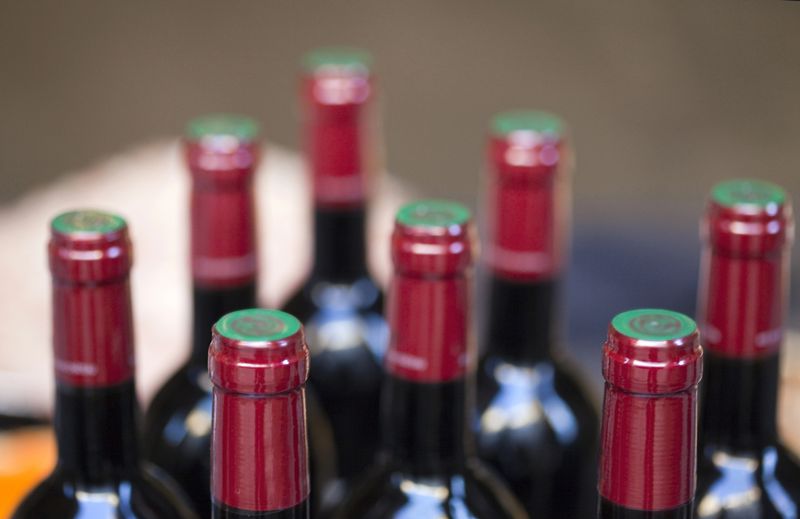
California’s wine industry is moving into the peak of harvest season with exports to Canada still far below earlier levels after a tariff dispute led Canadian provinces to remove U.S. alcohol from government-run store shelves, according to the Wine Institute.
In an interview posted Sept. 1 by KFBK News Radio, Julie Berge, the Wine Institute’s vice president of communications and member relations, said the industry was already dealing with broader pressures when the U.S. imposed tariffs on Canada in 2025. Canada responded with retaliatory measures, and provinces began pulling U.S.-made wine, spirits and beer from public retail shelves in March 2025.
That move sharply reduced sales into one of the most important nearby export markets for American producers. Berge said U.S. wine exports to Canada had averaged nearly $40 million a month before the bans, based on 2024 trade levels. Since March 2025, she said, those exports have averaged just over $5 million a month, a drop of nearly 90%.
The figures come at a key moment for California wine. September is recognized as California Wine Month, and it is also the annual high point of the grape harvest across the state. For wineries, growers and distributors, the timing matters because harvest season is when production decisions, sales plans and inventory expectations become more immediate.
The trade dispute has not been limited to wine. Canadian provinces removed U.S. spirits and beer as well, widening the effect across the beverage business. That makes the issue important not only for wineries but also for brewers, distillers, importers, distributors and retailers that depend on Canada as a stable cross-border sales channel. With exports to Canada down so sharply, companies across the alcohol sector may need to adjust inventory levels, pricing strategies and commercial agreements while they look for other outlets.
Because the Canadian measures centered on government-run stores, the impact was immediate. Once products were no longer on those shelves, access to consumers was cut back at the retail level. That changed the market quickly for American brands that had already built distribution in Canada and were counting on those monthly sales.
Berge’s comments reflect a larger concern inside California wine about how long the trade disruption could last and how much market share could be lost in the meantime. A sustained absence from shelves can create openings for competitors from other countries, and winning back placements can take time even after trade restrictions ease. For producers, that can affect not only export revenue but also production planning and relationships throughout the supply chain.
California remains the center of U.S. wine production, so changes in export demand can carry broader economic consequences for the state’s beverage industry. When a major market contracts, the pressure does not stop with bottled wine ready for shipment. It can reach growers, packaging suppliers, trucking firms, warehouse operators and sales teams that support the flow of product from vineyard to foreign buyer.
The sharp decline to just over $5 million a month also shows that some trade is still moving, even with the restrictions in place. But the gap between current shipments and pre-ban levels underlines how much business has been lost since the retaliation began in March 2025.
Even so, Berge told KFBK that the industry is still looking for a successful reset. As California Wine Month begins and harvest accelerates across the state, wineries are entering one of their busiest periods while facing a Canadian market that remains well below where it stood before the tariffs.