German Study Finds New Grape Rootstocks Resist Phylloxera
Libero and Vinto matched commercial standards in field trials, offering wine growers more options against pest pressure and climate stress
2026-06-02
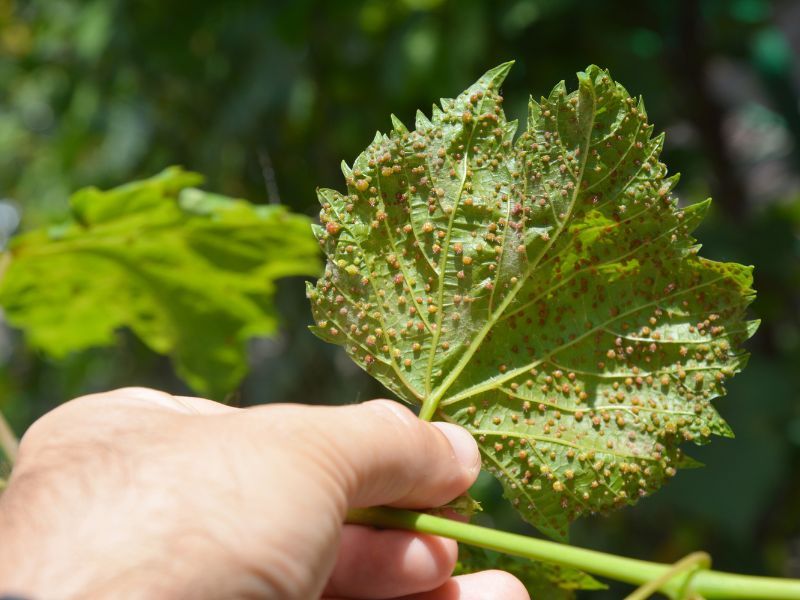
A new study from Germany says two recently registered grapevine rootstocks, Libero and Vinto, showed strong tolerance to phylloxera and performed on par with established commercial rootstocks in multi-year field trials, a result that could give wine growers more options as they face pest pressure and climate stress.
The research, published June 1 in OENO One by scientists including Timo Strack, Frank Manty and colleagues, tested the two breeding lines across several German wine regions and at different stages of nursery production. The authors said both rootstocks carried the same resistance mechanism found in Börner, a long-used German rootstock known for its full resistance to phylloxera in roots and leaves. In the study, Libero and Vinto also showed agronomic traits that breeders consider important, including acceptable wood production at propagation sites, graft compatibility with common scions and juice quality in vineyard trials that was comparable to commercial standards.
Phylloxera, a root-feeding insect that devastated European vineyards in the 19th century, remains one of the most serious threats to grape production. Because direct chemical control is limited and conflicts with European pesticide-reduction goals, rootstock breeding has become one of the main tools for managing the pest. The new findings matter because they suggest that newer breeding lines can combine pest resistance with practical vineyard performance, rather than forcing growers to choose between the two.
The researchers evaluated the candidates under official German testing procedures. They examined phylloxera susceptibility over several years using field assessments and greenhouse tests, checked for the presence of the Rdv1 resistance locus with DNA markers, measured growth and wood yield at propagation sites in Geisenheim and Heppenheim, and tested grafting success with Chardonnay, Pinot noir and White Riesling. They also ran adaptation trials in commercial vineyard conditions in regions including Rheingau, Rhine-Hesse, Palatinate, Württemberg and Hessian Bergstrasse.
According to the paper, both Libero and Vinto were highly resistant to phylloxera and showed yield and juice-quality results similar to those of commercial rootstocks used as references. The authors said that matters because rootstocks must do more than resist pests: they also need to support vine vigor, work well with scion varieties and produce enough usable wood for nurseries.
The study also introduced a rhizobox-based pipeline for tracking early root development. Using transparent boxes, weekly imaging and software-assisted analysis, the team measured how roots formed after cuttings were placed under controlled conditions. The authors said this method could help breeders screen young material more efficiently before moving it into longer field trials.
The work comes as European vineyards face added pressure from warmer temperatures, which can speed up phylloxera reproduction cycles and increase the risk of outbreaks in neglected or poorly managed sites. The researchers argued that expanding the pool of resistant rootstocks is important not only for pest control but also for adapting vineyards to changing soils and weather patterns.
For growers, the practical value is straightforward: more rootstock choices can mean better matching between site conditions, scion variety and disease pressure. The authors said Libero and Vinto broaden that menu while preserving the kind of phylloxera defense that has been central to modern viticulture since grafting became standard after the original epidemic.
