Domaine Lafage begins its earliest harvest on record in Roussillon
An unusually early vine cycle and intense heat pushed the 2026 season forward in southern France’s Mediterranean vineyards
Thursday, July 23, 2026
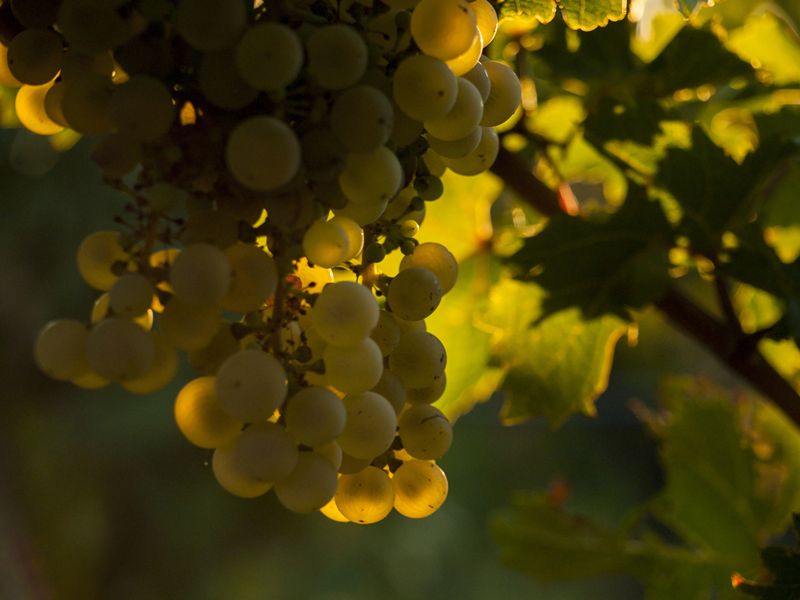
Harvest has started in Roussillon with one of the region’s leading estates beginning to pick grapes on Thursday after an unusually early growing season shaped by heat and earlier vine development.
Domaine Lafage said it had launched the earliest harvest in its history, a sign of how quickly the 2026 season has moved in this southern French wine region near the Mediterranean. The estate is typically among the first in Roussillon to begin picking each year, but this season advanced even faster than usual.
According to the winery, budburst came about 15 days earlier than normal. That early start sped up the vine cycle and pushed fruit toward ripeness sooner than expected. The estate also said winter and spring rainfall helped refill water reserves after several years marked by severe drought, giving vineyards a stronger base before a long stretch of hot weather.
That combination matters in Roussillon, where growers have been dealing with the effects of rising temperatures and recurring water stress. Better soil moisture can support vine balance and fruit development, but sustained heat can still accelerate sugar accumulation and force producers to make earlier picking decisions to protect freshness, alcohol levels and yields. For wine producers across the region, the timing of this harvest may offer another measure of how climate pressure is reshaping production choices from vineyard management to the style of finished wines.
The first grapes being harvested at Domaine Lafage are Muscat Petits Grains from vineyards along the Mediterranean coast. The fruit is intended for Lafabuleuse, the family’s lightly sparkling white wine. The winery said it expects the 2026 edition once again to come in at about 9% alcohol by volume, suggesting that picking decisions are being made with moderate alcohol and aromatic freshness in mind.
The early start follows what the estate described as an exceptional weather pattern through spring and summer, with consistently high temperatures and extreme heat recorded from May onward. In practical terms, that kind of season can compress vineyard work and narrow harvest windows, especially for aromatic varieties that can lose acidity quickly if left too long on the vine.
Roussillon has become one of the French regions most exposed to these shifts because of its dry climate and regular summer heat. In recent vintages, drought has weighed heavily on vineyard performance and crop expectations. This year’s rainfall has improved outlooks in many parcels, and Domaine Lafage said conditions now point to a healthy harvest with strong quality potential.
The estate has also tied its vineyard strategy more closely to climate adaptation. Domaine Lafage said its entire vineyard area has been certified by A Greener World since the start of 2026. Over recent years, the family has introduced practices aimed at improving resilience while supporting biodiversity across its sites. Those measures include water management systems, soil regeneration through compost and biochar, and agroforestry projects intended to strengthen vineyard ecosystems over time.
Such efforts are drawing attention beyond one estate because they reflect a broader shift underway in winegrowing. Producers facing hotter seasons are increasingly trying to preserve water, improve soil structure and reduce stress on vines without sacrificing grape quality. In regions like Roussillon, where harvest dates have been moving forward and weather extremes have become more common, those decisions can influence not only farming outcomes but also the profile of wines reaching the market.
For now, the start of picking at Domaine Lafage offers an early signal for the 2026 French harvest season in the far south: vines moved ahead quickly, water reserves recovered better than in recent drought years, and growers are entering harvest under intense summer heat with cautious hope for both volume and quality.