











World wine consumption falls to its lowest level since 1957
Bordeaux growers cut vines as weak demand, heavy stocks and falling exports deepen the crisis
2026-05-13
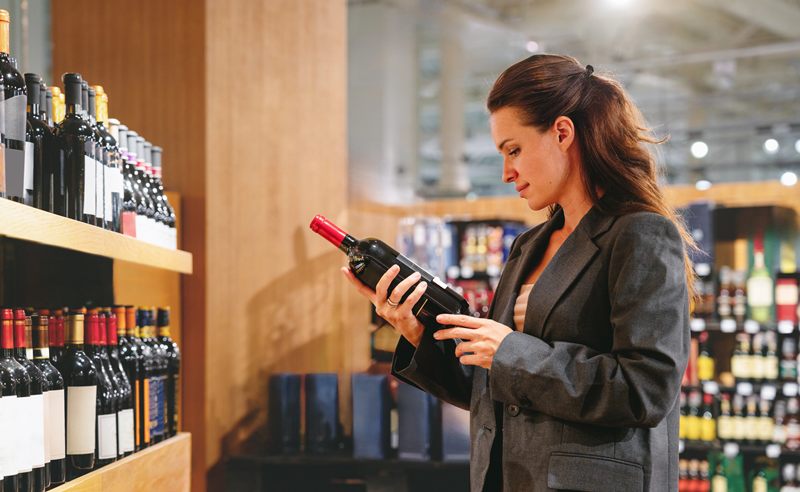
The world’s wine consumption fell again in 2025, reaching its lowest level since 1957, according to the International Organisation of Vine and Wine, or OIV, a decline that is deepening pressure on growers in France and especially in Bordeaux, where producers are cutting vines, carrying heavy stocks and warning that the market is no longer working for them.
In France, wine consumption dropped 3.2% in 2025 from a year earlier, extending a long slide that has changed drinking habits in bars, restaurants and homes. On terraces in Bordeaux, many customers now choose beer or soft drinks instead of wine, saying price matters and that beer is easier to pick without much knowledge. One bar manager in Bordeaux said about 70% of sales were beer and the rest wine.
The shift is hitting the Bordeaux region hard. There, vine pullouts have been subsidized as growers try to reduce production and survive a market with too much wine and too little demand. The vineyard area has shrunk by about 20% between 2023 and 2025. Pierre-Etienne Garzaro, a grower in Baron in the Entre-deux-Mers area, said he once farmed about 80 hectares of vines and now has 24. More parcels are still set to be uprooted.
Garzaro said his operation stopped producing some bulk wines because they were being sold at a loss. He said old stock remains in the cellar from 2021 and 2022, something he described as unprecedented. He also said exports to China and the United States have fallen by 30% and 40%, respectively, adding to the strain on producers already facing weak domestic demand.
The problem is not only lower consumption but also pricing, growers say. Garzaro argued that prices fall at the farm gate but not in stores, restaurants or wine shops, suggesting that middlemen are capturing the margin. That complaint has renewed calls from many vintners for a specific law banning sales below cost, a measure they say would help protect producers as they adjust to a smaller market.
France remains the world’s second-largest wine producer after Italy, but the sector is being squeezed by economic pressure, changing tastes and climate-related shocks. In Bordeaux, those forces are now visible in the vineyards themselves, where fewer vines are being kept in the ground and more growers are trying to decide what kind of wine business can still survive.
