CEEV Leaders Champion Historic India Trade Deal to Diversify €16.6 billion Export Wine Sector
European wine producers anticipate surge in exports as agreement opens access to India’s vast and growing consumer market
2026-01-27
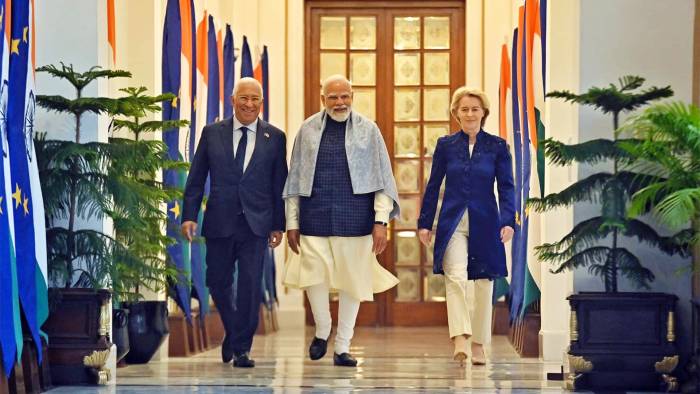
The European Committee of Wine Companies (CEEV) has welcomed the conclusion of the EU-India free trade agreement, announced today in Brussels. The agreement is expected to create new opportunities for European wine producers by reducing barriers to one of the world’s largest and fastest-growing markets.
India, with a population of more than 1.4 billion and a growing middle class, has long been seen as a market with significant potential for European wine exports. However, high tariffs have limited access for EU producers. In the last campaign year, EU wine exports worldwide reached over €16.6 billion, but sales to India totaled only €7.7 million. The main obstacle has been India’s 150% ad valorem customs duty on imported wines, one of the highest in the world.
Under the new agreement, tariffs on EU wines and aromatized wine products will be cut in half immediately after the deal takes effect. Over the next seven years, tariffs will be further reduced to 30% for wines priced between €2.50 and €10 per bottle and to 20% for wines priced above €10 per bottle. These changes are expected to make European wines more competitive in India and encourage investment from EU producers.
Marzia Varvaglione, President of CEEV, said that India offers “significant untapped potential” for European wine exports at a time when traditional markets face geopolitical tensions and disruptions. She described India as a “strategic alternative” that could help diversify and strengthen the resilience of EU wine exports.
The agreement also includes a separate arrangement on Geographical Indications (GIs), which will enhance protection for iconic European wine names in the Indian market. This is seen as an important step in safeguarding the reputation and authenticity of EU wines abroad.
Ignacio Sánchez Recarte, Secretary General of CEEV, emphasized that without this deal, India would remain a minor destination for European wines and would not attract investment from EU producers. He called on EU decision-makers to validate and ratify the agreement quickly so that its benefits can be realized.
The reduction in tariffs is expected to boost sales of European wines in India by making them more affordable to Indian consumers. Industry observers note that the country’s expanding middle class is increasingly interested in international products, including wine. The agreement comes at a time when EU wine exporters are seeking new markets due to challenges in other regions.
The deal is part of broader efforts by the European Union to promote open, rules-based trade and support its agricultural sectors amid global uncertainties. The CEEV believes that the agreement with India will contribute to the long-term sustainability of EU wine exports by opening up new avenues for growth.
Once ratified by both sides, the agreement will mark a significant shift in trade relations between the EU and India, particularly for the wine sector. The industry will be watching closely as implementation moves forward and as companies prepare to expand their presence in what could become one of their most important export markets.

Founded in 2007, Vinetur® is a registered trademark of VGSC S.L. with a long history in the wine industry.
VGSC, S.L. with VAT number B70255591 is a spanish company legally registered in the Commercial Register of the city of Santiago de Compostela, with registration number: Bulletin 181, Reference 356049 in Volume 13, Page 107, Section 6, Sheet 45028, Entry 2.
Email: [email protected]
Headquarters and offices located in Vilagarcia de Arousa, Spain.