U.S. Precision Viticulture Market Set to Hit $2.85 Billion by 2032 Amid Surge in Smart Farming
AI-driven robotics, advanced sensors, and e-commerce fuel rapid adoption as vineyards seek higher yields and sustainable wine production
Friday, January 16, 2026
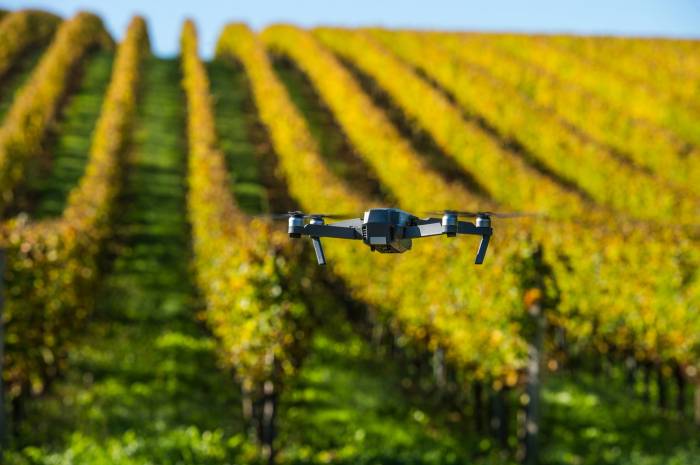
The precision viticulture market in the United States is experiencing rapid growth, driven by the adoption of advanced technologies that optimize vineyard management and improve grape quality. According to a recent report by DataM Intelligence, the global precision viticulture market reached $3.24 billion in 2024 and is projected to grow to $9.51 billion by 2032, with a compound annual growth rate of 14.4% from 2025 to 2032. In the U.S., the market is expected to reach $2.85 billion by 2032, reflecting strong demand for smart farming solutions among wine producers.
Precision viticulture uses tools such as sensors, drones, artificial intelligence analytics, and automated irrigation systems to enhance yield, sustainability, and resource efficiency in vineyards. The push for higher-quality wine and climate-smart agriculture practices is fueling this expansion. Companies leading the market include Ag Leader Technology, Athena IR Tech, Deere & Company, Topcon, UAV-IQ Inc, Andermatt Group AG, Taranis, Esri Australia, TeeJet Technologies, and AHA Viticulture. These firms provide a range of technologies from GPS-enabled mapping and high-resolution remote sensing to variable-rate application systems and advanced analytics platforms.
Recent industry developments in the United States highlight the pace of innovation. In January 2026, E. & J. Gallo Winery implemented AI-driven platforms with robotics-assisted monitoring and predictive analytics to optimize grape yield and resource use. Deere & Company invested $35 million in November 2025 in automated vineyard management systems that integrate AI sensors and robotic sprayers for large-scale operations. VinSense deployed robotics-assisted grape monitoring and AI analysis systems in August 2025 to improve irrigation and pest detection. Constellation Brands introduced automated analytics platforms combining AI and robotics for predictive crop management in June 2025.
The market is segmented by product type, distribution channel, technology, and application. Hardware accounts for 25% of the market share due to high adoption rates for vineyard monitoring equipment. Automation and control systems make up 20%, while sensing devices and software each hold 15%. Services such as system integration and consulting also represent a significant portion of the market.
E-commerce leads distribution channels with a 35% share because of its convenience and broad reach. Hypermarkets and specialty stores are also important channels as regional demand for agricultural equipment grows.
Guidance systems and GPS technology dominate the technology segment, each with a 20% share. These tools are essential for vineyard mapping and operational precision. Remote sensing technologies are gaining ground for crop monitoring and disease management.
Yield monitoring is the primary application area at 20%, followed by field mapping at 15%. Crop scouting, weather tracking, irrigation management, inventory management, and farm labor management are also key applications as vineyards seek greater efficiency through data-driven decision-making.
Regionally, North America holds a leading 30% share of the global precision viticulture market due to advanced practices in the U.S. and Canada and strong adoption of digital farming technologies. Europe follows with a 25% share led by France, Italy, and Spain. Asia Pacific also accounts for 25%, driven by rapid adoption in China, Japan, and Australia.
The competitive landscape is shaped by companies that blend hardware innovation with software expertise tailored to viticulture needs. Ag Leader Technology and TeeJet Technologies focus on precision guidance systems; Deere & Company and Topcon integrate connected machinery with digital planning tools; Athena IR Tech and UAV-IQ Inc offer advanced imaging capabilities; Taranis and Esri Australia provide robust analytics platforms; Andermatt Group AG and AHA Viticulture contribute agronomic expertise.
These developments reflect a broader trend toward modernization in vineyard management as producers seek to lower costs, improve yield predictability, meet quality standards demanded by premium wine markets, and reduce environmental impact through targeted interventions based on real-time data.
As precision viticulture continues to evolve in the United States, investments in automation, artificial intelligence, robotics, and data analytics are expected to further transform how vineyards operate from vine to bottle. The sector’s growth signals ongoing changes in both technology adoption rates among growers and consumer expectations for sustainable wine production practices.