Nearly 74% of Spanish Wine-Growers Over 50 as Industry Faces Urgent Youth Shortage
Aging workforce and rural exodus threaten Spain’s €22.4 billion wine sector, with over 22,000 new recruits needed soon
Tuesday, December 30, 2025

Views › 11472
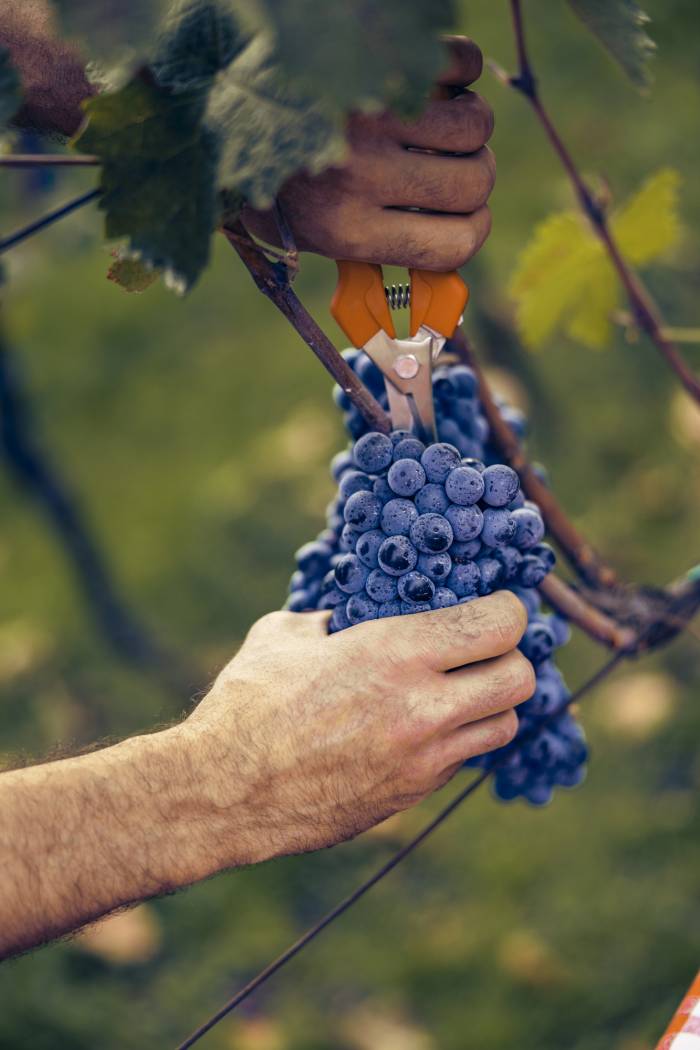
In the heart of Spain’s wine country, the Cuatro Rayas cooperative winery in La Seca, Valladolid, stands as a symbol of both tradition and change. Founded 90 years ago, its original concrete vats now sit beside modern stainless steel tanks, reflecting the evolution of winemaking technology. Outside, autumn rain falls on vineyards that have endured another intense summer, a reminder of the climate challenges facing the region.
Spain’s wine industry, valued at €22.4 billion, is confronting a demographic crisis. A recent report by the Spanish Wine Interprofessional Organization (OIVE) highlights an urgent need for generational renewal. The study found that nearly 74% of Spanish wine-growers are over 50 years old, with just 9.3% under 40. The sector must recruit more than 22,000 younger workers in the coming years to replace those reaching retirement age.
Fernando Ezquerro, president of OIVE, warns that without new generations entering the field, Spain’s wine sector could decline sharply. “If you don’t have grapes, you don’t have wine,” he says. The problem is not unique to Spain; French winemakers are also struggling with economic pressures and poor harvests. However, Spain faces a particular challenge from rural depopulation. While rural areas cover most of the country’s land, they are home to less than 16% of its population. Young people continue to leave for cities in search of education and work.
Ezquerro believes that making the wine industry more attractive to young people is essential. He points out that modernization and sustainability are key factors in drawing new talent. The sector accounts for about 2% of Spain’s jobs and contributes 1.6% to its GDP.
Óscar de Íscar represents the new generation that the industry hopes to attract. At 36, with degrees in chemical engineering and winery management, he manages his family’s 60 hectares of vineyards as part of Cuatro Rayas. De Íscar says he always knew he would continue his family’s winemaking tradition but recognizes that many young people do not see similar opportunities in rural life or agriculture.
He notes that entrepreneurship is not widely embraced among Spanish youth. “Winemakers are business people and the profession needs to be seen and valued for what it is,” De Íscar says. He also leads a youth working group within Spain’s Agro-Alimentary Cooperatives association and points out that many young Spaniards prefer stable government jobs over starting their own businesses.
Despite these challenges, De Íscar believes today’s generation is better prepared than ever before, with access to advanced technology and education. He sees this as a foundation for building a new vision for Spanish winemaking.
The Cuatro Rayas winery itself has adapted to changing times. Its modern shop caters to tourists as well as locals, offering not only wine but also specialty foods like panettone. The winery employs a public relations team and welcomes visitors along Spain’s growing wine tourism routes.
For many small towns across Spain, winemaking remains an economic lifeline. Ezquerro emphasizes that vineyards help sustain local populations and contribute to environmental goals by storing carbon in the soil. He argues that preserving Spain’s wine heritage is vital for both cultural and economic reasons.
The industry leaders agree that telling the story behind each bottle—about the land, the people, and the traditions—is crucial for attracting new generations. They hope that by sharing these stories more effectively, they can inspire young people to see winemaking not just as a job but as a meaningful way of life worth fighting for.