French Wine Authorities Approve Sweetening of AOC Wines, Allowing Up to 9 Grams of Sugar per Liter
Move aims to attract younger consumers as Bordeaux and Côtes-du-Rhône prepare to update rules for sweeter wine profiles
Tuesday, December 30, 2025
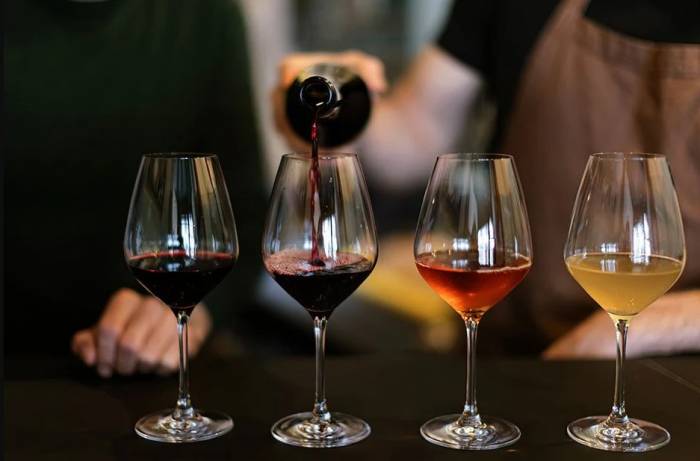
French wine authorities have approved a significant change in the rules for wines with protected designation of origin (AOC). On November 27, the National Committee for Appellation Wines (CNAOV) of the French Institute of Origin and Quality (INAO) agreed to allow, under certain conditions, the sweetening of dry still wines. This decision marks a shift in French wine doctrine, opening the door for AOC producers to add sugar derived from grape must after fermentation. The move is designed to help winemakers respond to changing consumer preferences, especially among younger drinkers who favor sweeter profiles.
The new policy permits sweetening as long as the final wine does not exceed 9 grams per liter of residual fermentable sugars, specifically glucose and fructose. The practice can be applied to red, white, and rosé wines. However, it is only allowed if each appellation’s official rulebook is updated to include this option. The sweetening must take place within the geographical area of the AOC or its immediate vicinity and must use grape musts from the same appellation. These can be fresh grape must, concentrated grape must, or rectified concentrated grape must (MCR).
Until now, sweetening was banned in AOC wines but permitted in wines with protected geographical indication (IGP). The change comes after years of debate within the French wine industry. Six years ago, some Bordeaux merchants argued that their region’s red wines were too austere and would benefit from a touch more sweetness to appeal to modern palates. At that time, many producers and officials were skeptical about such a move, citing concerns about product stability and tradition.
The CNAOV’s decision follows recommendations from a dedicated working group on sweetening. Caroline Blot, head of the wine division at INAO, described it as a “major change.” She emphasized that strict traceability will be required whenever MCR is used in wineries. The INAO remains committed to preserving the typicity of AOC wines while also adapting to evolving consumer tastes.
Interest in this new flexibility is particularly strong in Bordeaux and the Côtes-du-Rhône regions. In Bordeaux, producers of claret—a style of light red wine—have been pushing for permission to sweeten their wines up to 7 grams per liter under the claret designation. Stéphane Gabard, a spokesperson for Bordeaux’s Defense and Management Organization (ODG), said that now that national policy has changed, updating Bordeaux’s rulebook should be straightforward. He expects that Bordeaux could present its revised rules as early as February next year and possibly receive authorization by May or June, following standard opposition procedures and a dedicated decree.
Gabard noted that while sweet white wines are already part of Bordeaux’s tradition, extending this profile to reds is a response to shifting consumer preferences. He pointed out that younger generations—accustomed to sweeter beverages—are less interested in bitter or tannic flavors. The hope is that by allowing some sweetness in red wines, Bordeaux can attract new consumers, especially those from Generation Z.
Jean-Raymond Clarenc, commercial director at Bordeaux-based Bouey and co-president of the economic commission at the Bordeaux Wine Council (CIVB), welcomed the change during a recent general assembly. He observed that international consumers often drink red wine without food and are drawn to sweeter styles. Sweetening gives Bordeaux producers another tool to reach these new markets.
Bernard Farges, president of CIVB and former head of the INAO committee, said at a December press conference that regulatory progress depends on well-prepared proposals supported by industry consensus. He noted that when professionals agree on changes and present solid cases, decisions can move quickly through INAO channels.
The shift reflects broader trends in global wine consumption. Jean-Marie Cardebat, an economics professor at the University of Bordeaux, has argued for greater flexibility in winemaking practices to capture emerging market segments. He believes producers need to adapt quickly to trends—even if they later move away from them—rather than sticking rigidly to tradition.
Some voices remain cautious about moving too far from established AOC standards. Alexandre Imbert, former director of the General Union of Cognac AOC Winegrowers (UGVC), warned against sacrificing long-term identity for short-term trends. Gwénaëlle le Guillou, then director of the Organic Winegrowers’ Union of Nouvelle Aquitaine (SVBNA), questioned whether anyone can predict what consumers will want from Bordeaux wines ten or fifteen years from now.
For now, however, French wine authorities have removed a major barrier for AOC producers seeking to adapt their wines’ taste profiles. The next steps depend on how quickly individual appellations update their rulebooks and how winemakers choose to use this new flexibility in response to market demand.