Canadians Cut Alcohol Purchases as Sales See Sharpest Drop in Two Decades
Younger generations drive shift toward sobriety while rising prices and trade disputes reshape the nation’s drinking habits
Tuesday, March 10, 2026
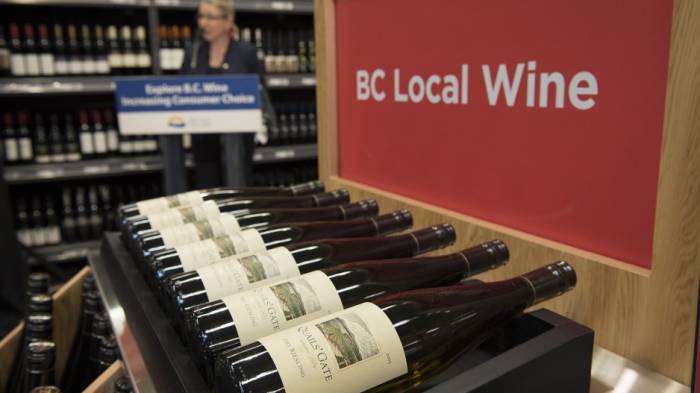
Canadians are buying less alcohol, marking the largest annual decline in beer, wine, spirits, and cider sales since Statistics Canada began tracking the data two decades ago. The agency’s latest report shows that sales of alcoholic beverages fell 1.6% to $25.8 billion in the 2024-2025 fiscal year, even as prices rose by 1.6% during the same period. This drop reflects a broader trend of reduced alcohol consumption among Canadians of legal drinking age, with the average number of drinks purchased per week falling for the fourth consecutive year.
Between March 2024 and March 2025, Canadians bought the equivalent of eight drinks per week, down from 8.7 the previous year and 9.7 a decade ago. Beer, wine, and spirits all saw declines in both dollar value and volume sold. Ciders and coolers were the only category to see growth, but they still represent just 9.3% of total alcohol sales.
Experts point to a cultural shift as a key factor behind these changes. Younger generations are leading a move toward more sober lifestyles, influenced by increased awareness of health risks associated with alcohol, such as cancer and heart disease. Social trends like non-alcoholic drink options and events that focus on connection rather than drinking are becoming more common among Gen Z.
Rising costs have also played a role in declining sales. Inflation has pushed up prices for alcohol in stores by 1.6%, while prices at licensed restaurants and bars jumped 9% in January compared to a year earlier. Factors such as climate impacts on vineyards and distilleries, tariffs on aluminum cans, and broader economic pressures have contributed to higher prices.
A November survey by Angus Reid for Restaurants Canada found that 32% of respondents had cut back on alcohol purchases to save money. The restaurant industry has felt the impact: alcohol accounted for 21.1% of total revenues at full-service restaurants in 2013 but dropped to 17.1% by 2023.
The decline is evident across all major categories. Beer sales fell 1.6% to $9.1 billion, with volume dropping 3.8%. This marks the ninth straight year of declining beer sales by volume. Wine sales decreased by 2.2% to $7.7 billion, with volume down for the fourth consecutive year. Spirits sales dropped 3.2% to $6.7 billion, with volume falling 4.4%.
The changing landscape has affected businesses across Canada. The number of craft breweries is shrinking after years of growth, and bars are closing at a rapid pace—down from nearly 9,000 in 2000 to just over 3,700 in 2025.
International trends mirror what is happening in Canada. Global wine consumption is at its lowest level since 1961, according to the International Organisation of Vine and Wine, due to inflation, lifestyle changes, shifting social habits, and generational differences in consumer behavior.
The financial impact extends beyond Canada’s borders as well. Bloomberg reported last fall that shares of major global beer, wine, and spirits companies lost a combined $830 billion over four years as drinking habits changed worldwide.
Despite these declines, domestic producers have seen some gains. Domestic alcohol sales now make up 60.6% of total sales in Canada, up from 59% a year earlier. Notably, imported wine sales dropped by 3.9%, while domestic wine sales rose by 1.9%. This marks the first time imported wine sales have decreased since Statistics Canada began tracking origin data in the early 1990s.
One reason for this shift was a trade dispute between Canada and the United States in early 2025 that led most provinces to remove millions of dollars’ worth of U.S.-made wine and spirits from store shelves after new tariffs were imposed on Canadian goods by the U.S government.
Alcohol imports from the U.S fell by 5.4% compared to the previous fiscal year during this period. Ontario wineries reported a surge in demand for local wines after American labels were pulled from shelves.
The combination of changing social attitudes toward drinking, rising costs, health concerns, and international trade tensions has reshaped how Canadians buy—and don’t buy—alcohol today.