U.S. Wine Industry Braces for Impact as 200% Tariff Threatens French Imports
Distributors warn of price hikes, job losses and supply shortages if trade tensions escalate between Washington and Paris
2026-01-22
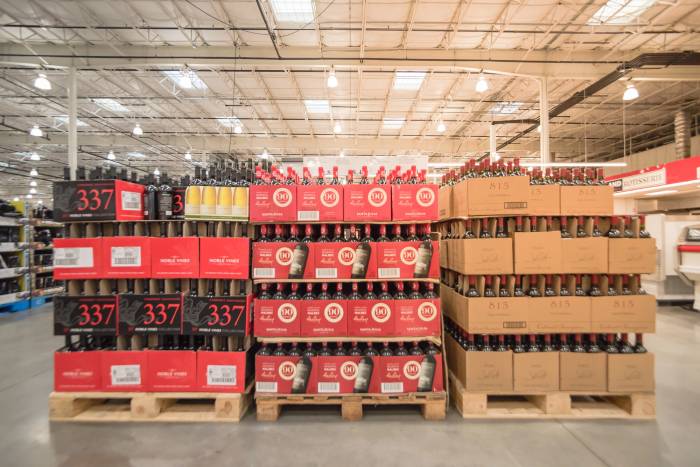
The U.S. wine industry is reacting strongly after President Trump threatened to impose a 200% tariff on French wines. The threat came as part of an effort to pressure France to join the U.S.-led Board of Peace initiative for Gaza. Industry groups and distributors across the country have criticized the use of tariffs as a political tool, warning that such measures could have far-reaching effects beyond the intended diplomatic goals.
Jacques-Olivier Pesme, executive director of the Wine Origins Alliance, which represents 30 wine regions in nine countries, said that tariffs on wine would impact not only global producers but also American bars, restaurants, retailers and consumers. He emphasized that tariffs should not be used as leverage in disputes unrelated to trade. Pesme called for a different approach that would allow the global wine industry to continue operating without disruption.
The Wine Origins Alliance also warned about the risk of retaliation from the European Union. The group stated that any significant retaliatory action from the E.U. could put U.S. wine producers in a difficult position, potentially harming their access to international markets and threatening jobs in the American wine sector.
Francis Creighton, president and CEO of the Wine & Spirits Wholesalers of America (WSWA), said that even talk of extreme tariffs creates uncertainty throughout the three-tier system that governs alcohol distribution in the U.S. He explained that the possibility of a 200% tax on imported goods disrupts supply chains, affects contracts and pricing decisions, and ultimately puts American jobs at risk.
Industry leaders are concerned that escalating trade tensions could lead to a tariff war with unpredictable consequences for both sides. They point out that previous rounds of tariffs on European wines have already caused price increases and supply shortages for American businesses and consumers. Many importers and distributors say they are still recovering from earlier trade disputes and fear that new tariffs would further destabilize their operations.
Wine importers in New York and California report that they are already fielding calls from concerned clients about possible price hikes and product shortages if the tariffs go into effect. Some restaurant owners say they may have to remove French wines from their menus or pass higher costs on to customers, which could reduce sales and hurt their bottom line.
Retailers warn that American consumers would face fewer choices and higher prices if French wines become unaffordable due to steep tariffs. They argue that such measures would not only hurt French producers but also damage relationships with long-standing business partners in Europe.
The threat of new tariffs comes at a time when the global wine industry is still dealing with challenges from supply chain disruptions, inflation, and changing consumer habits. Industry groups are urging both governments to find a diplomatic solution that avoids further escalation and protects jobs on both sides of the Atlantic.
As discussions continue between U.S. and French officials, many in the wine business are watching closely for signs of progress or further conflict. For now, uncertainty remains high as companies try to plan for possible changes in trade policy that could reshape the market for imported wines in America.

Founded in 2007, Vinetur® is a registered trademark of VGSC S.L. with a long history in the wine industry.
VGSC, S.L. with VAT number B70255591 is a spanish company legally registered in the Commercial Register of the city of Santiago de Compostela, with registration number: Bulletin 181, Reference 356049 in Volume 13, Page 107, Section 6, Sheet 45028, Entry 2.
Email: [email protected]
Headquarters and offices located in Vilagarcia de Arousa, Spain.