French Vineyards Face Widespread Fungicide Resistance in 2026, Report Warns
Experts urge diversified strategies as resistance to key treatments now established in all wine regions, threatening disease control efforts
2026-01-12
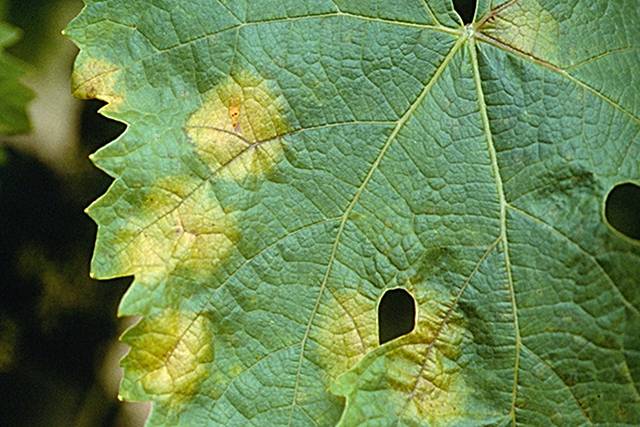
A technical report released on January 12, 2026, by a group of French viticulture experts provides an updated overview of resistance management for grapevine diseases. The document addresses the current status and recommendations for controlling downy mildew (Plasmopara viticola), powdery mildew (Erysiphe necator), gray mold (Botrytis cinerea), and black rot in vineyards. The report was prepared by specialists from several organizations, including the French Institute of Vine and Wine (IFV), the National Agency for Food, Environmental and Occupational Health Safety (Anses-CASPER), the National Research Institute for Agriculture, Food and Environment (INRAE), the Champagne Committee, regional agricultural chambers, and the French Ministry of Agriculture.
The main objective of the report is to list all active substances authorized in France as of early 2026 for use against these four major grapevine diseases. It also provides guidance on how to maintain the effectiveness of these treatments while limiting the spread of resistance among pathogen populations. The experts emphasize that resistance management relies on diversifying both the chemical families used and the methods of application.
The report highlights that resistance to fungicides is a growing concern in French vineyards. For downy mildew, resistance has become widespread for several chemical groups, including QoI-P, cyanooximes, anilides, and CAA fungicides. Resistance to acylpicolides and QiI is now established in all wine regions, often at high frequencies. New mechanisms of resistance are emerging, such as those affecting ametoctradin (QioI), with ongoing research needed to better understand these developments.
For powdery mildew, the report notes that QoI-P fungicides are no longer recommended due to widespread resistance. The use of older demethylation inhibitors (IDM) and azanaphthalenes may weaken protection programs if not alternated with other effective modes of action. Resistance to SDHI fungicides is present but varies depending on specific mutations in pathogen populations. The experts recommend limiting SDHI applications and rotating different molecules within this family to preserve their effectiveness.
Gray mold management continues to rely on strict limits: only one product per chemical family should be used each year, with strong encouragement for multi-year alternation between families where resistance is known or suspected. The report points out that non-specific multidrug resistance is common in Botrytis cinerea populations.
For black rot, there is a lack of surveillance data on resistance development. However, recommendations are based on known resistance patterns from other diseases. For example, IDM fungicides should be applied after grape cluster closure when powdery mildew risk is lower.
The technical note stresses the importance of integrating prophylactic measures—such as controlling vine vigor through rootstock selection and cover cropping, optimizing canopy management for better air flow, and improving spray quality—to reduce disease pressure and limit fungicide use. These practices help decrease pathogen population sizes and slow down the evolution of resistance.
The experts outline several anti-resistance strategies: reducing the number of treatments; mixing or alternating products with different modes of action; spatial mosaics where different products are used in separate vineyard blocks; and dose modulation (though this last approach is less common in viticulture). They caution that these strategies are most effective when resistant individuals are still rare in pathogen populations.
The report draws on data from national monitoring programs led by the Ministry of Agriculture, regional surveillance efforts by wine industry groups such as the Champagne Committee and Bordeaux Wine Council, field efficacy trials conducted by research institutes and agrochemical companies, and published scientific literature.
In summary, the 2026 technical note calls for careful stewardship of available fungicides through diversified use patterns and integrated vineyard management practices. The goal is to preserve long-term disease control options for French winegrowers amid increasing regulatory restrictions on active substances and evolving pathogen resistance profiles. The document serves as a reference for growers, advisors, and policymakers seeking to balance effective disease control with sustainable viticulture practices.

Founded in 2007, Vinetur® is a registered trademark of VGSC S.L. with a long history in the wine industry.
VGSC, S.L. with VAT number B70255591 is a spanish company legally registered in the Commercial Register of the city of Santiago de Compostela, with registration number: Bulletin 181, Reference 356049 in Volume 13, Page 107, Section 6, Sheet 45028, Entry 2.
Email: [email protected]
Headquarters and offices located in Vilagarcia de Arousa, Spain.