South African Wine Industry Faces Profit Squeeze as Oversupply and Low Prices Threaten Future Growth
Producers urged to shift focus to premium wines and labor reform amid global competition and underdeveloped domestic market
2026-01-08
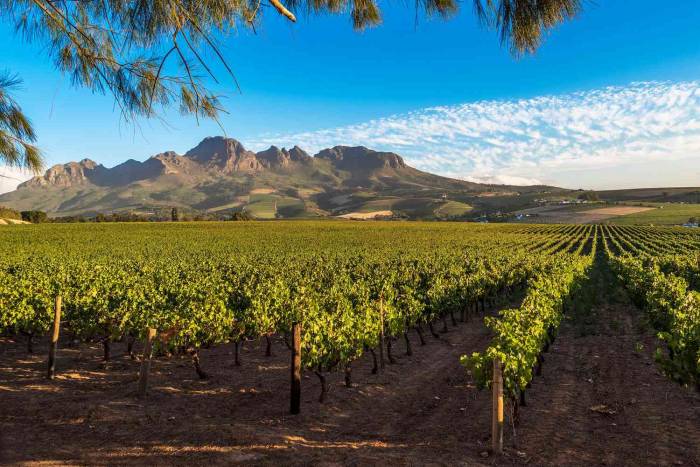
South Africa’s wine industry is facing a critical period as it looks ahead to the next decade. Industry leaders and observers agree that while the sector is not on the verge of collapse, it is also not poised for easy success. The current moment is seen as a turning point, with both opportunities and challenges that will shape the future of South African wine.
One of the most pressing issues is the cost-of-production crisis. Many producers have long believed that more efficient farming could offset low grape prices, but this approach is proving unsustainable. Experts argue that the industry must address supply discipline to reduce volatility and break the cycle of boom and bust that has characterized recent years. Without coordinated efforts to manage production levels, small profit margins will continue to threaten the viability of many vineyards.
Another area where South Africa holds a competitive advantage is in producing wines that express their unique sites at moderate alcohol levels. As global consumers increasingly seek fresher, drier wines with lower alcohol content, South African producers are encouraged to focus on these qualities. This approach aligns with international trends and could help the country stand out in a crowded market.
The conversation around premiumization in South African wine also needs to evolve. Industry voices are calling for more honest and specific messaging about what makes top-end South African wines special and why they deserve their price points. There is a consensus that relying on inexpensive wines to build a national reputation is no longer viable. Instead, producers must clearly define their target markets and communicate their value proposition with greater transparency.
Despite these areas of potential growth, several persistent challenges remain. The industry has been slow to reduce vineyard acreage, even though there is widespread recognition that too much wine is being produced for too little return. Political and emotional resistance to cutting back on production has made necessary changes difficult, prolonging financial strain for many growers.
Marketing efforts also lag behind those of other major wine-producing countries. While individual producers often excel at telling their stories, there is little unified messaging in key export markets such as the United States and Asia. The lack of sustained investment in building South Africa’s brand abroad has limited its ability to compete at higher price points.
Domestically, the South African consumer market remains underdeveloped. Wine often loses ground to spirits and ready-to-drink beverages, especially among younger drinkers. Many in the industry still view local consumers as unreliable or overly price-sensitive, which has led to missed opportunities for building loyalty and cultural relevance at home.
Labor reform continues to be another area where progress has been slow. While there is frequent discussion about transformation, equity, and ethical trade, meaningful changes in skills development, management inclusion, and worker ownership have yet to take hold across the sector. Industry leaders warn that without real commitment to these issues, South Africa’s wine industry risks falling behind in terms of human capital.
The role of wine media also comes under scrutiny. Critics note that much of the coverage remains dependent on producer funding through advertising and event sponsorships, which can limit independent analysis and honest critique. This dynamic makes it harder for uncomfortable truths about oversupply or misaligned pricing to be addressed openly within the industry.
Looking ahead, many believe that South Africa’s wine sector knows what needs to be done but lacks the collective will to make difficult decisions in pursuit of long-term stability. The challenges facing the industry go beyond vineyards and markets; they involve governance, clear communication, and aligning production with purpose. Without bold action now, experts warn that even South Africa’s best terroirs may not be enough to secure its place in the global wine landscape over the next decade.
