South Africa’s Wine Output Drops 21% in a Decade as Only 8% of Producers Turn a Profit
Aging vines, shrinking vineyards and soaring costs threaten the future of a $3.34 billion industry supporting 270,000 jobs
2025-12-12
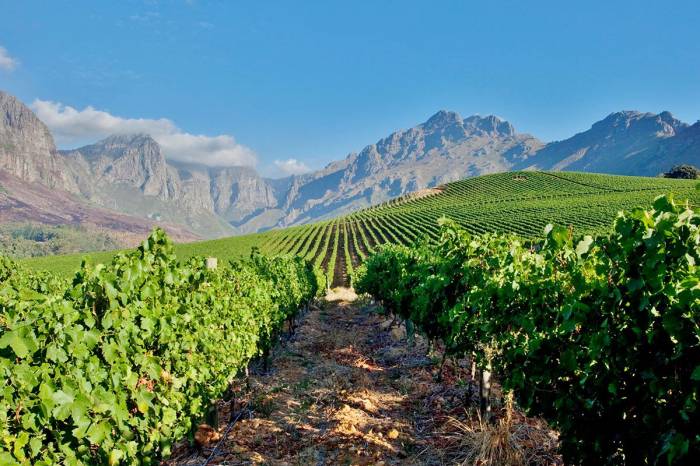
South Africa’s wine industry is facing significant challenges, according to a new report by FTI Consulting. Over the past decade, the sector has experienced a 12% reduction in vineyard area and a sharp increase in production costs. The report shows that between 2014 and 2023, the area planted with wine-grape vineyards dropped from 99,472 hectares to 87,848 hectares. This decline has been accompanied by an aging vine population. In 2014, about 20% of vines were over 20 years old; by 2023, that figure had risen to 36%. Experts generally consider it optimal for no more than 15% of vines to be this old, as older vines tend to produce fewer grapes.
The combination of fewer vineyards and older vines has led to a notable decrease in grape output. The 2023 grape harvest was the smallest in nearly twenty years. Wine production fell to 0.93 billion liters in 2023, down from 1.18 billion liters in 2014—a drop of 21%. At the same time, production costs have almost doubled since 2014. These costs have risen faster than both general inflation and producer-price indices, putting pressure on profit margins throughout the sector.
Profitability has suffered as a result. By last year, only about 8% of wine producers were operating at a profit, while 43% were running at a loss. Net farm income per hectare fell by nearly 37% year-on-year, reaching $10,951 per hectare in 2023. The financial strain has led to structural changes within the industry. Nearly one-third of primary grape producers—about one hundred per year on average—have left the sector since 2014. Smaller producers have been hit especially hard.
Despite these difficulties, South Africa’s wine industry remains an important part of the national economy. The sector contributes around $3.34 billion to GDP, which is about 0.9% of the total economy. It supports approximately 270,364 jobs, or roughly 1.8% of national employment figures. The industry also generates about $1.11 billion in household income and has value-chain effects that are above the national average.
The FTI Consulting report describes the vineyard sector as being caught in a “self-reinforcing downwards cycle.” However, it also highlights the industry’s ongoing role in supporting economic activity and employment across South Africa.
Looking ahead, the report suggests that without new investment in replanting vineyards and balancing vine age, or measures to control rising input costs, these downward trends may continue. Smaller producers are particularly vulnerable to these pressures, raising concerns about long-term stability in some parts of the sector.
Given its economic significance, the challenges facing South Africa’s wine industry are likely to remain on the agenda for policymakers. Ongoing discussions include potential changes to excise taxes and regulatory reforms aimed at supporting the sector through its current difficulties.
