La hausse des droits sur l'alcool s'élèvera à 38 pence par bouteille, suscitant une réaction négative de l'industrie au Royaume-Uni
Les producteurs mettent en garde contre les nouvelles augmentations de taxes qui menacent l'emploi et l'investissement, le gouvernement liant l'augmentation des droits à la santé publique et à l'inflation.
01-12-2025
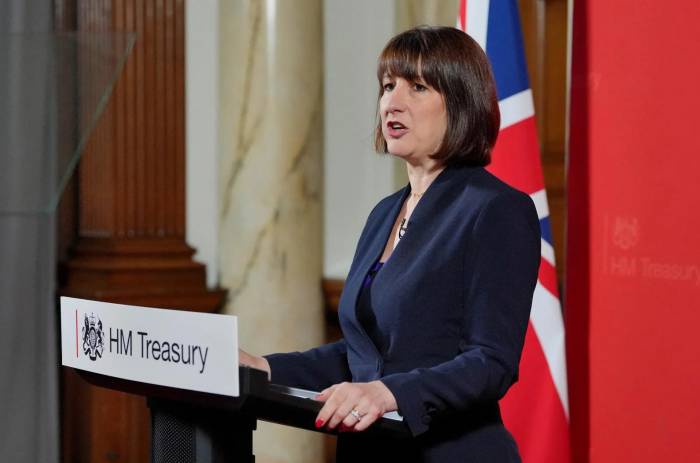
La décision du gouvernement britannique d'augmenter les droits sur l'alcool en fonction de l'indice des prix de détail a suscité de vives critiques de la part des producteurs d'alcool et des associations professionnelles du pays. L'annonce a été faite dans le cadre du budget d'automne, présenté par Rachel Reeves, chancelière de l'Échiquier, à la Chambre des communes le 26 novembre. Les nouveaux taux entreront en vigueur le 1er février 2026.
Selon le gouvernement, cette augmentation vise à équilibrer les contributions économiques des producteurs d'alcool et du secteur de l'hôtellerie et de la restauration avec les objectifs de santé publique visant à réduire les dommages liés à l'alcool. Le document d'orientation publié parallèlement au budget indique que tous les taux de droits sur l'alcool seront "augmentés" en fonction de l'inflation, mesurée par l'indice des prix à la consommation (IPC), qui s'élève actuellement à 3,66 %. Cela signifie que les consommateurs verront les droits augmenter de 11 pence sur une bouteille de Prosecco, de 13 pence sur une bouteille de vin rouge et de 38 pence sur une bouteille de gin.
Le gouvernement a également annoncé une augmentation des remises accordées aux petits producteurs, mais cela n'a guère apaisé les inquiétudes du secteur. Miles Beale, directeur général de la Wine and Spirit Trade Association (WSTA), a qualifié le budget de "mort par mille coupes" pour les entreprises de vins et spiritueux. Il a souligné que de nombreux producteurs se débattent encore avec les hausses de taxes introduites plus tôt en février et qu'ils doivent maintenant faire face à des coûts supplémentaires liés à une nouvelle taxe sur le verre connue sous le nom de responsabilité élargie des producteurs (REP). M. Beale a déclaré qu'avec les augmentations de l'assurance nationale, du salaire minimum et des taux d'imposition des entreprises, le secteur se sentait "attaqué de manière soutenue". Il a qualifié cette décision de "typiquement décevante et à courte vue", avertissant qu'elle ne ferait que prolonger ce qu'il a décrit comme une "boucle fatale" pour l'industrie.
Mark Kent, directeur général de la Scotch Whisky Association (SWA), s'est fait l'écho de ces préoccupations. Il a déclaré que les producteurs de whisky écossais étaient "déçus" par la décision et a averti qu'elle ajouterait une pression importante à un secteur déjà confronté à des pertes d'emplois, à des investissements bloqués et à des fermetures d'entreprises. M. Kent a souligné qu'il ne fallait pas s'attendre à une croissance continue sur les marchés nationaux et internationaux si les conditions de soutien n'étaient pas maintenues.
Les organisations professionnelles avaient fait pression contre toute augmentation des droits de douane avant l'annonce du budget. Au début du mois de novembre, des organisations telles que la WSTA, la SWA et la Society of Independent Brewers (SIBA) ont écrit à des représentants du gouvernement pour souligner ce qu'elles décrivent comme des "défis importants" auxquels le secteur est confronté. La SIBA a réagi à l'annonce d'aujourd'hui en la qualifiant de "coup dur pour les buveurs de bière, les pubs communautaires et les petites brasseries". L'association a critiqué le chancelier pour ne pas avoir étendu l'exonération des droits sur les bières vendues à la pression - une mesure qui aurait permis de réduire les droits sur les bières vendues dans les pubs -, estimant qu'il s'agissait d'une occasion manquée de soutenir un secteur déjà soumis à de fortes pressions.
Ces dernières années, le secteur de l'hôtellerie et de la restauration a été confronté à des difficultés croissantes en raison de l'augmentation des coûts, de l'évolution des habitudes de consommation et des effets persistants des restrictions liées aux pandémies. De nombreuses entreprises ont fait état d'une baisse de leurs ventes et d'une augmentation de leurs dépenses opérationnelles. Les dirigeants du secteur affirment que de nouvelles augmentations de taxes pourraient entraîner davantage de fermetures et de pertes d'emplois dans les pubs, les bars, les brasseries, les distilleries et les chaînes d'approvisionnement connexes.
Le gouvernement maintient que l'augmentation des droits sur l'alcool est nécessaire pour des raisons de responsabilité fiscale et de santé publique. Toutefois, les représentants de l'industrie avertissent qu'en l'absence de mesures de soutien ou d'allègement ciblées, ces changements pourraient saper l'un des secteurs culturels et économiques les plus importants de Grande-Bretagne. À l'approche du mois de février, les producteurs et les détaillants s'attendent à une augmentation des coûts tout en continuant d'exhorter les décideurs politiques à reconsidérer leur approche.

Fondée en 2007, Vinetur® est une marque déposée de VGSC S.L. qui a une longue histoire dans le secteur du vin.
VGSC, S.L., dont le numéro de TVA est ESB70255591, est une entité inscrite au registre du commerce de Saint-Jacques-de-Compostelle, Spagna.
Email: [email protected]
Sede e uffici a Vilagarcia de Arousa, Galice.