Armed conflict devastates the wine industry in Israel, Lebanon and the West Bank
War truncates the harvest in the Middle East, with vineyards razed and wineries in danger
Thursday, October 10, 2024

Views › 3169
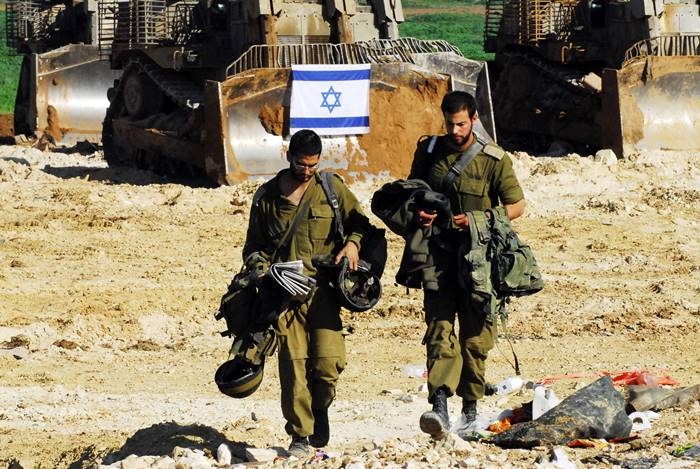
The Middle East conflict has significantly impacted wine producers in Israel, Lebanon, and the West Bank, who are enduring extreme conditions during the 2024 harvest. In Israel, the Galilee region, where much of the country's wine production is concentrated, has been one of the hardest hit by rocket and drone attacks from the southern Lebanon border, controlled by Hezbollah. Several vineyards have been destroyed by explosions or fires, and others have been abandoned after being declared unsafe by military authorities. The evacuation of over 70,000 civilians has left the area nearly empty, populated only by security forces. The harvest, which typically ends in September, has been disrupted by the escalation of attacks, complicating operations at wineries near the border.
In the West Bank, the smaller wine industry, centered around Christian communities between Bethlehem and Jerusalem, has also been severely affected by the conflict. Mobility restrictions due to road closures and checkpoints have made it difficult for winegrowers to access their vineyards, significantly reducing the amount of grapes collected. The region's economic situation, which relies heavily on tourism and the local market, has deteriorated. Demand for wine has fallen due to widespread unemployment and economic difficulties, while exports, which depend on transit through Israel, have been hampered, further reducing sales and threatening the viability of these wineries.
In Lebanon, wine production has historically been impacted by political instability and armed conflicts. During the civil war, several wineries suffered irreparable losses, and the 2006 conflict between Israel and Hezbollah significantly damaged operations in the Bekaa Valley, where most Lebanese wineries are located. Currently, the situation remains precarious, with viticultural operations once again disrupted by the risk of attacks and economic uncertainty. The need for constant vigilance and limited access to vineyards have complicated grape harvesting and wine production.
Despite the complex situation, Israeli wine exports have shown unexpected growth, contrasting with fears of international boycotts. However, labor shortages have been a recurring problem for Israeli wineries, as many workers have been mobilized due to security concerns, and movement restrictions prevent Palestinian workers from entering. Production in the Golan region and Judean Hills has been supported in some cases by local volunteers who have assisted with harvest tasks.
In all conflict-affected areas, the wine industry has shown signs of strain, with producers facing economic losses, damage to their facilities, and an increasingly uncertain operating environment. With no clear end to the escalation of violence in the region, the outlook for the next year remains uncertain for winegrowers in Israel, the West Bank, and Lebanon, who continue to operate under extreme conditions, hoping for an improvement in the situation that will allow for economic and agricultural recovery in the region.