Controversy in the UK over government investment in wine during confinement
Criticism and debate over use of public funds in times of economic constraints and health crisis
Tuesday, January 16, 2024

Views › 1413
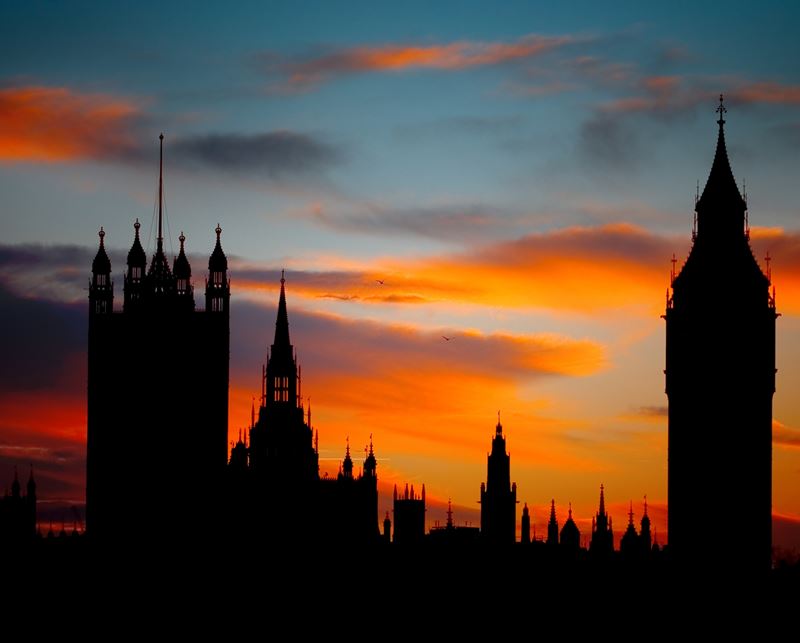
Amid the tumultuous period of the COVID-19 pandemic, a recent revelation by the Oxford Mail has brought to light an intriguing aspect of the UK government's expenditures - a significant investment in the replenishment of Parliament's wine cellar. The report, which has stirred a mix of responses across the political spectrum, highlights not just the financial aspect of this decision, but also offers a glimpse into the government's wine preferences during this challenging period.
The Foreign Office's belated bi-annual report covering the 2020-2022 period reveals a substantial investment of £27,000 in Parliament's wine cellar. This expenditure, made at a time when the country was grappling with lockdown restrictions and economic challenges posed by the pandemic, raises questions about fiscal priorities and decision-making within the government.
The choice of wines is particularly noteworthy. A significant portion of the investment, amounting to £14,621, was allocated to the purchase of 516 bottles of red Bordeaux. This choice underscores a continued appreciation and preference for this classic French wine, known for its depth, complexity, and aging potential. The decision to invest in Bordeaux, a region synonymous with prestige and quality in the wine world, reflects a traditional approach to wine selection within the government circles.
In contrast, the investment of £12,356 in 636 bottles of English and Welsh sparkling wines indicates a growing recognition and support for the local wine industry. This move can be seen as a nod to the burgeoning reputation and quality of sparkling wines from England and Wales, which have been gaining international acclaim in recent years. By choosing these wines, the government not only supports local vineyards but also showcases the country's wine-producing capabilities on a global stage.
An intriguing aspect of the report is the fluctuation in the government's official wine consumption. The year 2020-2021 saw a drastic 96 percent drop in consumption, likely a direct consequence of the pandemic-related restrictions and reduced government functions and hospitality events. However, the following year witnessed a tenfold increase in consumption, suggesting a return to more regular activities and events where such wines would be served. This fluctuation offers a window into how government hospitality and formal events were impacted during the pandemic.
The revelation has not gone without criticism, particularly from opposition parties. Labour MP Emily Thornberry's comments reflect a concern over the perceived disconnect between government spending on luxury items and the broader economic and social challenges faced by the country during the pandemic. The contrast drawn between the government's expenditure on wines and the struggles of the general population during the same period raises questions about the optics and timing of such investments.
The report concludes with the current valuation of the government wine cellar at £3.66 million. This figure not only underscores the extensive collection held but also points to the potential investment value of such assets. While the financial aspect is significant, the wine cellar also serves as a symbol of national prestige and cultural heritage, playing a role in diplomatic and state functions.
The UK government's decision to stockpile wines during the pandemic is a multifaceted issue that intertwines fiscal decisions, wine preferences, and political optics. While the financial and cultural aspects of such an investment are notable, the timing and context within which these decisions were made have stirred debate and scrutiny. As the country continues to navigate the post-pandemic landscape, the choices made during this period will likely be reflected upon and analyzed in broader discussions about government spending and priorities.