Poland proposes quadrupling the fee on mini alcohol bottles
The proposal would send all proceeds to the National Health Fund after annual receipts rise from about 560 million zlotys to 1.5 billion
Monday, November 23, 2026

Views › 171
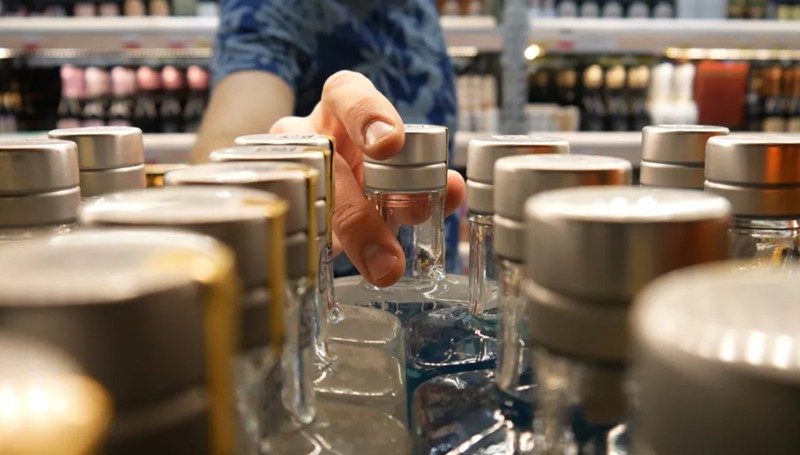
Poland’s government is proposing a sharp increase in the special fee charged on sales of small alcohol bottles and plans to send all of the revenue to the country’s public health system, a move that would raise prices on popular mini bottles while taking money away from local governments.
The proposal would change the so-called małpkowe fee, named after małpki, the small vodka bottles commonly sold in 100-milliliter and 200-milliliter formats. Under the draft, the National Health Fund, known by its Polish initials NFZ, would receive the full proceeds. At present, the revenue is split between the fund and municipalities.
The measure is part of a broader government effort to find more money for the NFZ, which is under heavy financial pressure. According to the report, the fund is short by more than 10 billion zlotys for current spending alone, and settlements for uncapped health services delivered in the second quarter of 2026 still have not been completed. Hospitals have responded by limiting admissions, sending some patients to other facilities and giving many others appointments far into the future.
The government has not moved to change a separate wage law that guarantees annual pay increases for medical workers, even though that law is widely seen as a major driver of the fund’s growing deficit. Instead, the Finance Ministry has backed narrower revenue measures tied to alcohol sales.
One of those measures has already advanced. An earlier law raising alcohol excise taxes by 20% was signed by President Karol Nawrocki on November 18. That increase is expected to bring the NFZ an additional 1.4 billion zlotys. The government now expects the higher małpkowe fee to bring in roughly as much again, if not more.
According to the draft’s stated purpose, the extra money would help finance education and prevention programs, psychiatric care, addiction treatment and other health services linked to alcohol-related harm. In its impact assessment, the government argues that alcohol consumption is a major addiction risk and says Poland ranks 12th globally in World Health Organization data on per-capita alcohol consumption. The same assessment says alcohol in Poland remains too cheap and that higher prices are one of the most effective ways to curb excessive drinking, especially among young people and the heaviest drinkers.
The government also points to rising affordability. It says that in 2021, when the mini-bottle fee was introduced, an average monthly salary could buy 841 miniature bottles. In 2025, that figure had risen to 1,026.
The increase proposed in the draft is steep. In the price of a 100-milliliter vodka bottle, the małpkowe charge is now 1 zloty. It would rise to 4 zlotys. In a 200-milliliter bottle, the charge is now 2 zlotys and would increase to 8 zlotys. The government says it expects sales of mini bottles to fall by one-quarter, but it still projects a large jump in tax revenue because of the higher rate. Current annual receipts from the charge are estimated at 560 million to 590 million zlotys. After the increase, the government expects them to reach 1.5 billion zlotys.
At the same time, the draft assumes household spending on alcohol would increase by more than 1.1 billion zlotys after the new rules take effect. That has fueled criticism that the measure is aimed more at filling budget gaps than at reducing drinking. Maria Libura, an expert at the Polish Network of Economics, called it a classic sin tax and said the state should be focused on sharply reducing alcohol addiction, not profiting from it. Former NFZ chief Andrzej Sośnierz argued that if mini bottles become too expensive, some consumers may simply switch back to larger bottles instead of drinking less.
That potential shift matters beyond tax policy. For distillers, distributors and retailers, a higher format-based charge could reshape pricing, squeeze margins and influence packaging decisions in one of Europe’s important spirits markets, especially if consumers move away from small bottles and toward larger formats.
The proposal would also change how the money is distributed. The government says municipalities have not always used their share of the fee for addiction prevention and alcohol-harm reduction. According to the draft’s rationale, local governments had about 77 million zlotys left unspent in 2025. It also says some municipalities used the money for activities only loosely connected to alcohol policy, including fairs, sports and recreation events, dance classes for seniors, and even the purchase and installation of trash bins, though it also acknowledged spending on sobering-up stations, intervention centers and trust lines.
To offset the loss of małpkowe revenue, the government plans to raise fees for alcohol sales licenses. But the expected increase for municipalities is about 150 million zlotys, roughly half of what they currently receive from the mini-bottle fee. That has triggered strong opposition from local officials, who say addiction treatment cannot replace prevention work carried out at the community level.
The Union of Polish Cities said cutting local prevention funding could lead to more social and health problems that would later put even greater pressure on the health care and social assistance systems. Marek Wójcik, an expert at the Association of Polish Counties, said the proposal would make only a small difference in the NFZ budget but would have a major effect on municipal finances. He also warned that the draft would create heavy new administrative burdens around alcohol sales permits and could lead to long legal disputes with businesses because some of the proposed rules are imprecise.
Wojciech Konieczny, a senator from the Left and a former deputy health minister who worked on changes to Poland’s sobriety law, said his party has its own health tax proposal that would direct all excise revenue from alcohol and tobacco to treatment. But he said that if the state takes money from local governments now, it should compensate them fully so they can continue their anti-alcohol policies.