Burgundy exported 101 million bottles after revenue slipped 1.4%
Sales to the United States dropped 17.9%, underscoring price pressure on one of France’s leading wine regions
Monday, November 16, 2026

Views › 252
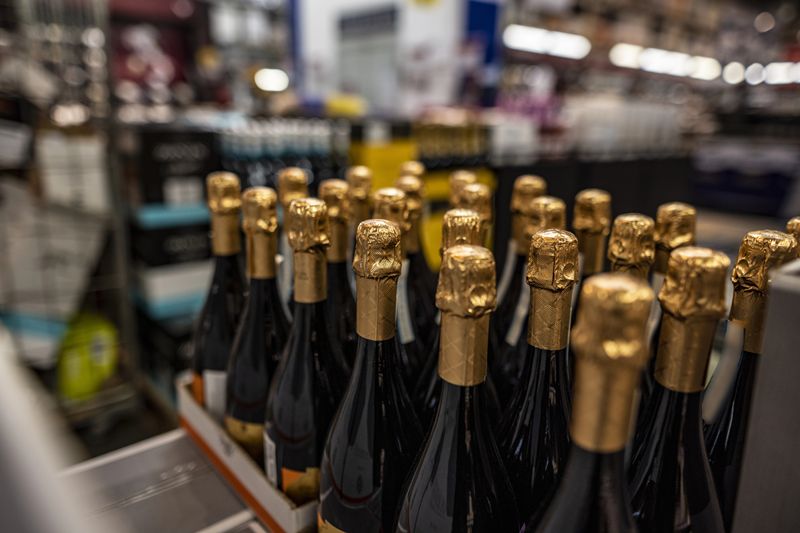
Burgundy increased its wine export volumes over the 12 months through August, but earned less money from those sales, a sign that one of France’s leading wine regions is having to work harder to defend its position in a changing market.
On Sunday, November 15, the Comité des Vins de Bourgogne said the region exported nearly 101 million bottles over that period, up 3.5% from a year earlier. Export revenue, however, slipped 1.4% to 1.65 billion euros.
The two figures point to a widening gap between volume and value. Burgundy sold more wine abroad, but the average return per bottle moved lower. That can happen when producers cut prices, shift toward less expensive products, or lean more heavily on categories that sell in larger quantities but at lower margins.
According to the Burgundy wine committee, white wines and Crémant de Bourgogne were the main supports for shipment volumes. Their performance helped offset weakness elsewhere and kept export flows growing even as the region faced a more difficult pricing environment.
The sharpest signal of that pressure came from the United States, one of Burgundy’s most important foreign markets. Revenue there fell 17.9%, according to the figures released by the committee. The data suggest that even a globally recognized premium wine region is not insulated from weaker demand, trade frictions, or greater price sensitivity among buyers.
That matters beyond Burgundy. For the broader beverage business, the figures show the cost of using price adjustments to protect sales volumes. They also underline how exposed higher-end wine can be to tariffs and shifts in consumer demand, especially in a market like the United States where import conditions and retail trends can quickly change the economics for producers, distributors, and merchants.
Burgundy’s results also show the uneven nature of demand within wine. Products with broader appeal or more accessible price points can help keep volumes stable, while more expensive segments may come under pressure sooner when buyers turn cautious. In that context, the support from white wines and sparkling crémant appears to have been important not only for shipment totals but also for maintaining market presence abroad.
The committee’s update comes at a time when many wine regions are dealing with slower consumption in mature markets, inventory adjustments, and a more competitive global export landscape. Burgundy remains one of the most prestigious names in wine, but its latest numbers show that reputation alone is not enough to fully protect revenue when market conditions turn less favorable.
The decline in export value despite higher volumes may also draw attention to product mix inside the region’s portfolio. Burgundy covers a wide range of appellations and price levels, from entry-level wines to some of the world’s most expensive bottles. If growth is concentrated in categories such as crémant or in whites that are more resilient in volume terms, overall export performance can remain positive while the value side weakens.
For importers and drinks retailers, the numbers may be read as a sign that Burgundy is still moving product, but under tighter commercial conditions. For producers, they point to a market where preserving shelf space and customer demand may require more flexibility on pricing, even if that weighs on turnover.
The U.S. setback is likely to be watched especially closely because of the country’s importance to French wine exports and its influence on global pricing for premium labels. A 17.9% drop in revenue in that market is large enough to affect the region’s overall performance and to raise questions about how sustainable higher price points are when consumers and trade buyers become more selective.
Even with that weakness, Burgundy’s export totals show that international demand for the region’s wines remains significant. Nearly 101 million bottles shipped abroad in a year is still a large commercial base. But the latest figures suggest that growth in volume is no longer translating automatically into growth in value, a shift that could shape pricing, promotion, and market strategy across the wine trade in the months ahead.