Rioja urges retailers to stock older vintages beyond Crianza and Reserva labels
It says bottle age can bring complexity, distinctiveness, commercial appeal for restaurants seeking ready-to-drink wines
Saturday, November 21, 2026

Views › 543
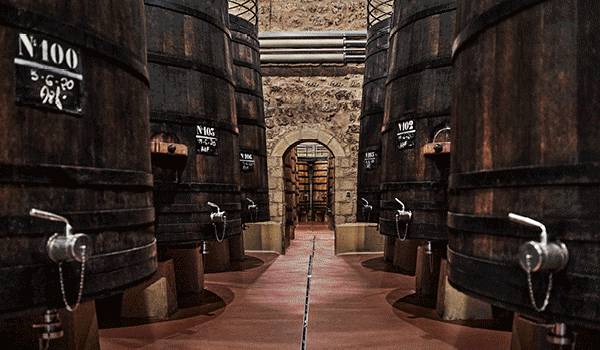
Spain’s Rioja wine region is urging retailers and restaurants to pay more attention to older vintages, arguing that bottle age can add complexity, distinctiveness, and commercial value well beyond the aging periods printed on the label.
In a statement released from Logroño in November 2026, Rioja said its traditional classifications of Crianza, Reserva, and Gran Reserva remain a useful guide for buyers because they show how long a wine has been aged before release. But the region said those legal categories should not be confused with a wine’s full aging potential or its ideal drinking window.
That distinction matters for merchants and restaurant buyers. Rioja said many consumers, especially in export markets, want wines that are ready to drink soon after purchase rather than bottles that require years of storage at home. The region’s established classification system helps meet that demand. At the same time, importers and wine professionals cited by Rioja said older Rioja vintages can give stores and wine lists a broader range of styles and maturity levels.
Rudolf Knickenberg, chief executive of the importer Schlumberger, said Rioja is known for offering mature wines in different styles and at prices that remain accessible compared with some other top regions. He also said the classification system helps younger consumers become familiar with aged wines.
Rioja’s case for further aging rests on how many of its wines are made. According to the regional statement, producers often plan for longevity from the start, beginning with grape selection and winemaking choices designed to support long development in barrel and bottle. Rioja said the region’s mix of climates and elevations can produce concentrated wines with the acidity needed to age well. Alongside Tempranillo, traditional grapes such as Graciano and Mazuelo can add acidity, tannin, and structure to blends.
In the cellar, Rioja said producers tailor oak aging and later bottle aging to the style they want to achieve. At some long-established wineries, time in bottle is treated as a separate and essential stage of maturation, with certain wines held back for years before release so they reach a specific character.
The region said that longer aging is not limited to Gran Reserva wines. High-quality Reservas and top wines made in a more modern, site-focused style can also develop positively over many years, it said. What matters most, according to Rioja, is the quality and balance of the original wine and how it is stored after bottling.
Ralf Kastner of the importer Deuna pointed to the 2001 Prado Enea as one example. He said the wine reached an optimal stage of maturity after about 25 years, with a combination of fruit, integrated oak, freshness, and fine tannins.
For the wine trade, that aging curve can create an opportunity. Rioja said older bottle-aged vintages can help retailers and restaurants offer wines at different stages of evolution without moving into the price levels often associated with the top end of Bordeaux or Burgundy. Ana Margareto, business development manager at Zeter Wein, said Rioja can compete with those regions in both quality and aging potential.
Rioja is also trying to broaden the conversation beyond red wine. The region said the aging capacity of white Rioja remains underappreciated even though long-aged white wines have a long history there. Viura, one of the region’s main white grapes, is often used for wines that are fermented or aged in oak and sometimes kept on the lees for extended periods. Rioja said the best examples can age for decades while retaining freshness.
Margareto cited a 1973 Viña Tondonia Blanco from López de Heredia as a memorable example, saying that even after decades in bottle the wine continued to reveal new aromas and flavors in the glass within minutes.
That profile could make older white Rioja especially useful for restaurants. Rioja said mature white wines from the region often show savory, spicy, and nutty notes supported by lively acidity, making them suitable with dishes such as mushrooms, aged cheeses, and richer fish preparations. For retailers, they can also offer a way to surprise customers who still mainly associate Rioja with red wine.
The region framed the push for aged wine partly as a response to fast-moving consumer habits. Rüdiger Dickhöver of Bodegas Rioja Weinhandels GmbH said most customers still prefer wines that are ready to drink, but he has seen interest when wines are presented with clear guidance about how long they can continue to improve. Some buyers, he said, intentionally set bottles aside for anniversaries or other occasions five or 10 years away.
Rioja spans about 100 kilometers and, according to its regulatory council, includes more than 600 wineries and 14,000 growers. The Consejo Regulador de la Denominación de Origen Calificada Rioja was founded on June 6, 1925, and marked its centennial in 2025. The region says its wines are sold in more than 100 international markets.