French Winegrowers Seek €4 Billion to Shield Vineyards From Climate Damage
It says 93% of members suffered climate losses in 2026, bolstering its case for preventive equipment on 400,000 hectares.
Tuesday, September 29, 2026
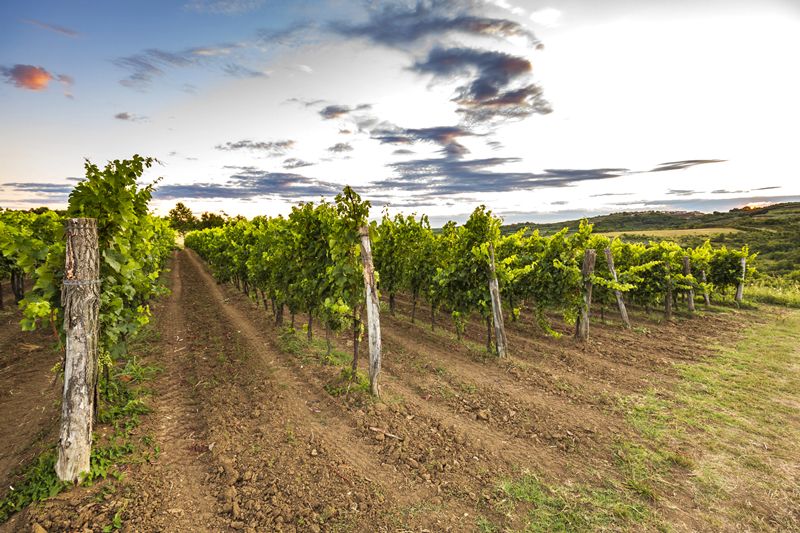
France’s Independent Winegrowers are asking the government and the regions for a €4 billion plan to protect vineyards from hail, frost, and drought, arguing that the country can no longer rely mainly on compensation after climate damage has already happened.
Jean-Marie Fabre, president of the Vignerons Indépendants de France, presented the proposal to reporters on September 24. Details were later reported by Vitisphere on September 28. The union says 93% of its member businesses were hit by at least one climate-related event in 2026, after a year marked by heat waves, drought, and hailstorms across several wine regions.
The group wants the money spent over five years to equip about 400,000 hectares of vineyards. Fabre based that figure on a national vineyard area of about 700,000 hectares, with 120,000 to 150,000 hectares already protected. After excluding roughly 30% of the remaining surface from the plan, the union says about 400,000 hectares still need protection. It uses €10,000 per hectare, the estimated cost of anti-hail netting, as the basis for the calculation.
Under the proposal, €2 billion would come from the European Agricultural Fund for Rural Development, known by its French acronym Feader, and €2 billion would come from public funding shared equally between the French state and regional governments. Spread over five years, the state’s share would amount to €200 million a year.
Fabre said the current system, centered on subsidized crop insurance, is no longer enough for many producers. He argues that repeated losses weaken the value of insurance coverage because payouts are based on reference harvests that have already been reduced by earlier disasters. Even with a reform expected in 2027, the union says estates hit several years in a row will remain exposed.
The appeal comes as France prepares for what is expected to be its smallest wine harvest since 1957, at around 33.8 million hectoliters. Hailstorms this summer struck vineyards from Cognac to Beaujolais and Burgundy, while extreme heat damaged grapes in several other regions. In that context, the union says it is more rational to invest in preventive systems than to keep paying emergency aid after each event.
Fabre framed the request as a budget issue as much as an agricultural one. According to him, a 10% drop in harvest volume means €600 million less in tax revenue. He argues that lost production hurts public finances twice, first by reducing tax receipts and then by increasing the need for state support to keep businesses from failing. He has compared the proposed annual state contribution with the €1 billion emergency package released this year to offset agricultural losses linked to drought.
The union is also asking for what it calls a banking “white year,” a one-year delay in loan repayments for wine estates that have little or no cash left. Fabre says many producers have reached the limit of their debt capacity. He argues that postponing repayment on €100,000 of loans for a year would provide more meaningful relief than the direct aid now available, which he says will be capped at €3,000 per estate at best this year, while costing the state less if it only has to cover interest.
The package presented by the union goes beyond vineyard protection. It also includes requests on exports and market access. Fabre wants wine business leaders to join ministers on trade missions abroad. He is calling for zero tariffs on wine worldwide and wants wine and spirits to be negotiated alongside sectors such as aerospace and industry rather than within broader agri-food talks. The union also wants a single European point of contact for excise duties.
The timing is political. The French Senate was renewed by half on September 27, and the upper chamber’s wine and vine study group is losing its president, according to Vitisphere. The Independent Winegrowers want funding for vineyard protection to appear in the next budget debate.
If the proposal gains traction, it could matter well beyond vineyard owners. A shift toward public support for preventive equipment would likely influence investment decisions across the wine business, including spending on protective infrastructure and the role of insurance. It could also shape broader discussions about how the drinks industry manages climate risk, from grape supply to bottle availability and pricing.
For now, the union is trying to push French policymakers toward a different approach: spending public money before storms, frost, and drought destroy a harvest, rather than after the losses have already spread through one of the country’s most important beverage sectors.