U.S. purchases of Spanish wine fell 16.3% in the 2025-2026 marketing year
Sales value dropped 16.9%, a steeper contraction than Spain recorded across its wine exports worldwide.
Friday, September 25, 2026
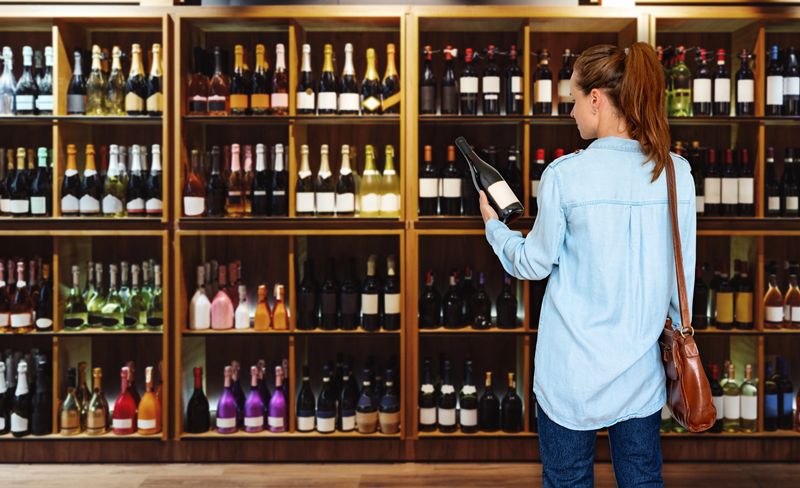
U.S. purchases of Spanish wine fell by more than 16% in the 2025-2026 wine marketing year, marking a steeper decline than Spain recorded in its global wine exports during the same period.
The drop affected both volume and value. Shipments to the United States fell 16.3% by volume and 16.9% by value in the 12 months from August 2025 through July 2026, according to an analysis by wine market consultancy DelReyAWM, led by analyst Rafael del Rey, using data from Spain’s Tax Agency, known by its Spanish initials AEAT.
The figures compare the full 2025-2026 campaign with the previous one. They reflect a full year of trade, not a single month or only part of 2026. The data show that the U.S. market weakened more sharply than Spain’s broader export business.
Across all foreign markets, Spanish wine exports fell 9.5% in volume and 6.1% in value over the same period. That means the decline in shipments to the United States was 6.8 percentage points deeper than the fall seen in Spain’s total export volume. The gap was even wider in sales value. The U.S. market’s 16.9% decline was 10.8 percentage points worse than the overall drop in export revenue.
The comparison suggests that the weakness in the United States was not simply part of a uniform slowdown in Spanish wine exports. It was a more pronounced contraction in one of Spain’s major overseas markets.
The relationship between the value and volume figures also points to a slight decline in the average revenue earned per liter of wine sold to the United States. Because value fell 16.9% while volume dropped 16.3%, the implied average price was down by about 0.7%, based on the published rates and rounded calculations. In practical terms, Spanish exporters sold less wine in the United States and, on average, took in slightly less revenue for each liter they shipped.
That detail matters because it shows that lower volumes were the main driver of the decline, while pricing did not offset the loss. In some export markets, a drop in shipments can be partly balanced by stronger prices or a shift toward higher-value products. In the U.S. case, the opposite happened. The average return per liter edged lower instead of rising.
That pattern was different from what happened in Spain’s wine exports as a whole. For all destinations combined, the 6.1% decline in value was smaller than the 9.5% drop in volume. That implies an increase of about 3.8% in the average export price. The overall export sector therefore appears to have benefited from a firmer price mix or higher prices in other markets, even as total volumes fell. The United States did not follow that pattern.
The data released by DelReyAWM do not provide a breakdown of the U.S. results by wine category. They do not show how still wine, sparkling wine, bulk wine or bottled wine performed individually in the American market during the campaign. They also do not include the total number of liters shipped to the United States or the total euro value of those shipments in the period covered. That means the scale of the contraction can be measured in percentage terms, but not yet translated into the exact amount of business lost in euros or liters based on the information released.
The absence of category detail also limits what can be said about pricing. A lower average revenue per liter does not necessarily mean every exporter cut prices. It may also reflect a change in the mix of products sold, such as a higher share of lower-priced wines or a weaker performance in premium segments. Without more detailed data, it is not possible to determine whether the decline came from discounting, from a shift in consumer demand, or from changes in the types of Spanish wine imported by U.S. buyers.
The report likewise does not identify a specific cause for the downturn in U.S. demand. It presents the trade outcome, not an explanation for it. Even so, the figures show a clear change in direction for Spanish wine sales to the United States during the latest full campaign.
For Spanish producers and exporters, the U.S. market remains important because of its size and its role in higher-value wine sales. A decline that is sharper in value than in volume can be especially significant for companies that depend on that market for branded or premium exports. In this case, however, both measures moved lower at nearly the same pace, showing a broad retreat rather than a collapse limited to one part of the trade.
The timing is also relevant. Because the campaign runs from August through July, the results cover a complete commercial cycle that includes harvest-related planning, shipping decisions and retail purchasing patterns across seasons. That gives the data more weight than a short-term monthly fluctuation and offers a clearer picture of how the market performed over a sustained period.
DelReyAWM’s analysis, based on AEAT customs and tax data, places the United States among the weaker destinations for Spanish wine in 2025-2026. While Spain’s wine sector faced a general decline in export volumes worldwide, the U.S. market showed a larger pullback in both physical shipments and revenue, along with a modest deterioration in average unit income.
The published figures leave open several questions that would matter to exporters, distributors and investors following the trade. It is not yet possible to see whether the losses were concentrated in a few months, whether certain price segments held up better than others, or whether some regions and producers were hit harder than the average. The data released so far establish the scale of the decline, but not its internal composition.