British whisky exports to the Philippines fell 57.2% in the first half of 2026.
Shipment volumes dropped 70.4%, suggesting lower-priced trade retreated fastest in a market that still faces a 15% tariff.
Monday, September 28, 2026
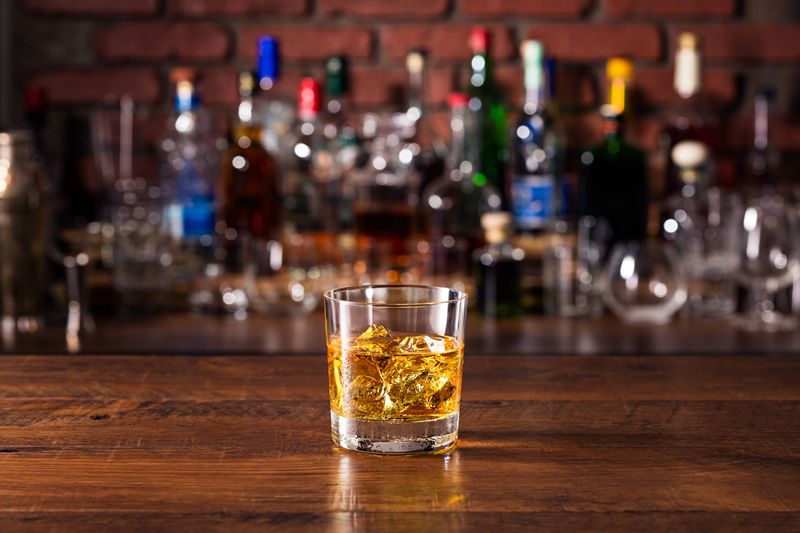
British whisky exports to the Philippines fell sharply in the first half of 2026, with both the value and volume of shipments dropping by more than half from a year earlier, according to trade data published by the U.K. Food and Drink Federation using HMRC figures.
The data show that exports of whisky from the United Kingdom to the Philippines totaled £1.3 million from January through June 2026. That was down 57.2% from the same period in 2025. Export volume fell even faster, dropping 70.4% over the same period.
Based on that rate of decline, the value of shipments in the first half of 2025 was about £3.0 million. That means the year-over-year loss in export value was roughly £1.7 million. The figures were published in the FDF Trade Snapshot for the first half of 2026, dated Sept. 25.
The gap between the decline in value and the steeper decline in volume points to a change in the mix of products still being shipped. With volume down much more than sales value, the implied average value per unit rose by about 44.6%. The source does not provide a breakdown by brand, category, or price tier, so it does not show exactly which products accounted for the remaining trade. But the numbers are consistent with a market in which lower-priced shipments fell away more sharply than higher-priced ones.
The Philippines is not one of the largest overseas destinations for British whisky, and the trade base in this case is small. That makes percentage swings more pronounced and makes any implied unit-value calculation more sensitive to changes in a limited number of shipments. Even so, the scale of the drop stands out because both measures moved so sharply in the same direction and because volume weakened much more than value.
The trade snapshot also shows that the Philippines applies a 15% most-favored-nation tariff to whisky. That tariff remains in place. The Philippines has asked to join the Comprehensive and Progressive Agreement for Trans-Pacific Partnership, but no tariff reduction tied to that possible accession has taken effect. Any change in market access from CPTPP membership remains uncertain and would depend on the accession process being completed and approved.
The figures do not by themselves explain why exports fell so sharply in the first half of the year. The dataset tracks trade flows, not consumer demand, distributor inventories, or retailer behavior in the Philippine market. It also does not show whether importers delayed purchases, switched to existing stock, or changed their buying toward other origins or other spirits categories.
Still, the numbers offer a clear signal about how a small export market can shift quickly. When volume drops 70.4% and value drops 57.2%, the result is not only a smaller market but also a market that appears to be skewing toward more expensive remaining shipments. In practical terms, that means a large part of the decline may have come from the lower end of the market, while some higher-value trade continued.
For British food and drink exporters, the data add to the broader picture of how tariffs and product mix can shape outcomes in smaller overseas markets. In this case, the first-half results for the Philippines show a steep contraction in whisky shipments at a time when the country still applies a 15% tariff and no new trade preference has yet come into force for the product.