Japanese shoppers rush to stock up on low-tax beer alternatives before Oct. 1 tax equalization
The revision will set beer, happoshu and third beer at ¥54.25 per 350 ml, erasing a decades-old price advantage.
Thursday, September 17, 2026
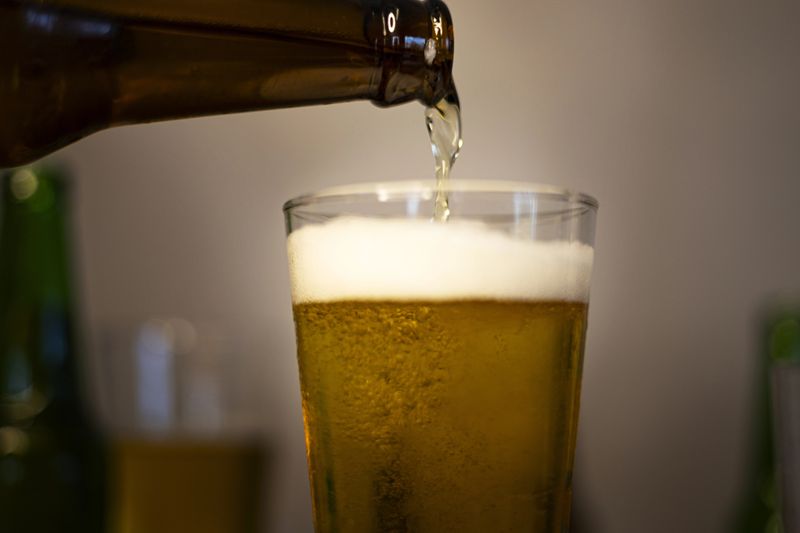
Japanese consumers are rushing to buy low-tax beer alternatives before a long-planned liquor tax revision takes effect on October 1, ending a price advantage that helped shape the country’s beer market for decades.
Under the change, Japan will apply the same liquor tax to standard beer, happoshu and so-called “third beer” at ¥54.25 per 350 ml equivalent. The revision lowers the tax on conventional beer from ¥63.35 to ¥54.25, a drop of ¥9.10, or 14.4%. At the same time, it raises the tax on happoshu and third beer from ¥46.99 to ¥54.25, an increase of ¥7.26, or 15.5%.
The result is the end of the tax gap between the three categories. For brewers, retailers and consumers, that means the economic logic that pushed many shoppers toward cheaper beer-like drinks is about to change.
In Japan, happoshu refers to low-malt beer, while “third beer” is a broader category of beer-like alcoholic drinks made in ways that historically qualified for lower tax rates. Those products became a major part of the market as brewers tried to keep retail prices down and consumers looked for cheaper alternatives to regular beer.
The revised rates are part of a broader liquor tax overhaul documented by Japan’s National Tax Agency. The policy has gradually reduced differences among categories, and the October 1 step completes the move for beer-related drinks.
Retailers are already seeing a surge in purchases of products that will face higher tax. TBS News Dig reported that Aeon had doubled inventories of affected items from 2025 levels and expanded shelf space at stores ahead of the change. At an Aeon store in Tokyo, shoppers were offered promotions tied to bulk purchases, including giveaways for customers buying multiple cases.
Shuichi Kato, a food division official at Aeon Retail, said case sales had risen to about 1.5 times the level seen a year earlier since the start of September, reflecting what he described as bulk buying before the tax increase. Aeon’s reported growth, however, covers affected product lines beyond beer alone, including chuhai, so the increase should not be read as a pure measure of beer volume.
The buying spree shows how sensitive demand can be to even modest changes in alcohol taxes. On a single 350 ml can, the tax increase for happoshu and third beer is ¥7.26. That is not necessarily the exact amount consumers will see in final shelf prices, because retail pricing also depends on competition, promotions, packaging, logistics costs and each company’s strategy. Even so, across a case purchase, the difference becomes more noticeable, giving shoppers a clear incentive to buy before the new rates begin.
The tax change is also expected to influence product development. As the advantage of lower-tax alternatives disappears, brewers have less reason to keep some drinks in substitute categories designed around tax rules instead of taste or ingredients. Japanese media reports have noted that some companies are accelerating moves to shift products closer to the standard beer category.
That matters because Japan’s major brewers spent years adjusting recipes and lineups to fit the country’s tax structure. Lower-malt drinks and other substitutes were not only cheaper for shoppers. They were also a response to a system that taxed beverages differently depending on ingredients and production methods. With those differences now erased at the 350 ml level cited by the government, producers may need to rethink how they position brands, how they price them and whether some products still make sense in their current form.
For regular beer, the change could improve competitiveness after years of carrying a higher tax burden. A 14.4% reduction in tax does not guarantee an equal cut in store prices, but it gives brewers and retailers more room to narrow price gaps with products that previously had a built-in tax advantage. That could shift demand back toward conventional beer, especially among consumers who preferred beer but moved to lower-priced substitutes.
The timing is important for supermarkets and convenience stores because the change arrives just as companies prepare autumn pricing and seasonal promotions. Stores must decide how much inventory of higher-tax alternatives to hold after the deadline and how quickly to pass on any added cost. Brewers, meanwhile, face decisions on list prices, pack sizes and marketing. Some may try to preserve volume with temporary promotions. Others may use the new tax parity to push premium or standard beer brands more aggressively.
The revision also has broader significance because it closes a chapter in a market shaped by tax-driven segmentation. Japan’s three-category structure influenced not only prices but also consumer habits and product innovation. The lower-tax classes helped create a large market for beverages that were designed to resemble beer while avoiding the full beer tax rate. From October, that distinction loses much of its practical value from a tax standpoint.
For now, the most visible effect is in stores, where shelves of third beer and related products are drawing buyers who want to lock in current prices before the switch. From October 1, the fiscal lines that separated beer, happoshu and third beer will no longer exist at the 350 ml equivalent rate, leaving the market to adjust through pricing, assortment changes and new competition among Japan’s brewers.