Cornell Study Finds Wine Color Explains Only 8% of Drinkers’ Ratings
Researchers found no consistent bias against disease-resistant hybrid reds, easing a concern for growers adapting vineyards to climate stress.
Thursday, September 24, 2026

Views › 3017
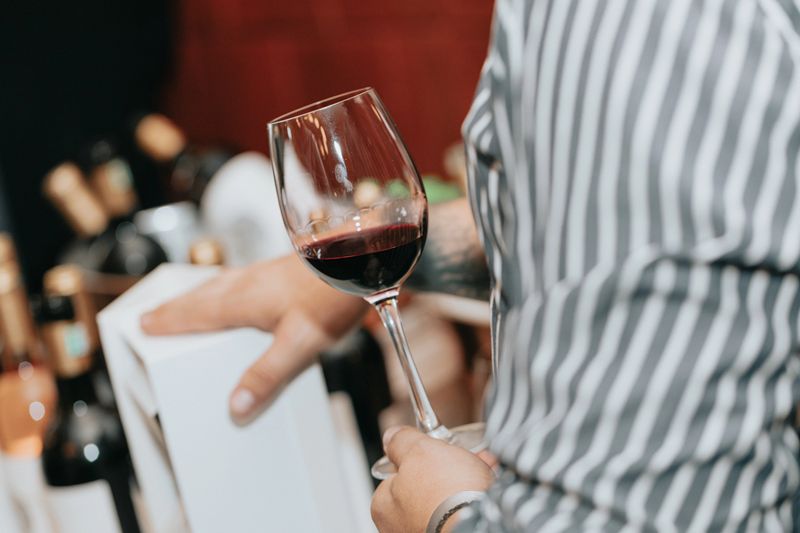
Wine drinkers judging a red by its color may be doing far less than many winemakers feared, according to a Cornell-led study that found appearance was only a weak predictor of whether consumers actually liked what they tasted.
The research, published Sept. 23 in the American Journal of Enology and Viticulture, examined whether wines made from disease-resistant hybrid grape varieties face a built-in disadvantage because they do not always look like wines made from traditional European grapes. Researchers from Cornell AgriTech and Université Bourgogne Europe in Dijon, France, said their results showed no consistent consumer bias against the color of hybrid wines.
That question matters as growers in North America and Europe look for grapes that can better handle fungal disease, cold winters and more erratic weather linked to climate change. Hybrid varieties can require fewer pesticide applications and can survive conditions that damage conventional vineyards. If consumers are not strongly put off by differences in color, that could reduce one barrier to wider use of those grapes across the wine business.
The study recruited 82 regular red wine drinkers through the Cornell Sensory Evaluation Center. Participants were asked to evaluate eight commercial red wines without knowing what they were drinking. Five were made from hybrid cultivars from New York, Wisconsin, Tennessee and Iowa. Three were pinot noirs from Burgundy, Oregon and New York’s Finger Lakes region.
Panelists first rated how much they liked each wine’s appearance and how much they expected to enjoy it based on color alone. They then tasted the wines and rated how much they actually liked them.
The results showed that color did shape first impressions, but only to a point. Wines that appeared lighter or showed more yellow and brown tones tended to receive lower scores for visual appeal and lower expectations before tasting. Three wines ranked near the bottom on appearance: a Finger Lakes pinot noir, a Norton from Tennessee and a corot noir from near Albany, New York.
But once participants tasted the wines, the role of color dropped sharply. The statistical relationship between appearance liking and actual liking explained only about 8% of the variation in responses, the researchers reported. In other words, visual appeal affected expectations, but it said little about whether people ultimately enjoyed the wine.
Catherine Dadmun, a Cornell doctoral student in food science and a co-author of the study, said in comments released by Cornell that taste and aroma were much more important than color in overall quality perception. The study found that hybrid wines and pinot noirs were largely mixed together when researchers compared how consumers rated hue and overall appearance.
The findings push back on a long-standing assumption in parts of the wine trade that darker color signals better quality and that hybrids may be harder to sell if they look different from vinifera wines. The data showed no meaningful correlation between color intensity and actual liking. What appeared to matter more in lower visual scores was not simply whether a wine was light, but whether its color leaned brownish or yellow rather than a red-purple tone often associated with younger red wines.
Anna Katharine Mansfield, an associate professor of enology at Cornell AgriTech and one of the study’s authors, said the question had been circulating for years among grape breeders and winemakers. Concerns about whether consumers would reject wines that did not look “vinifera-like” had been widely discussed, she said, but had not been directly tested.
The researchers also examined the chemistry behind the wines’ color. They analyzed 17 wines, including the eight used in the sensory trial and additional hybrid samples, to map their anthocyanin profiles, the pigment compounds responsible for red color. That work was carried out at Cornell AgriTech and in Dijon using ultra-high-pressure liquid chromatography.
The analysis confirmed that hybrid grapes contain a broader range of anthocyanin structures than vinifera grapes. Among them are diglucosides, compounds that tend to produce less intense color and may be somewhat more prone to browning over time. In some European settings, those compounds have historically been viewed with suspicion and have been linked to assumptions about lower color quality.
The consumer data did not support those assumptions. Wines with high levels of diglucoside anthocyanins performed as well as, and in some cases better than, traditional wines in appearance ratings. St. Croix, a hybrid wine in the study, tied with Burgundy pinot noir for the highest overall appearance score, even though Burgundy pinot noir contains no diglucosides.
The study’s authors said the findings should be interpreted with some caution. Because the wines were commercial products, differences in vintage, vineyard conditions and winemaking methods could also affect color, separate from grape variety. The researchers said more work is needed on how hybrid wine color changes as the wines age and whether consumer perceptions shift as those bottles become more common in the market.
Even with those limits, the study points to a practical issue for producers and retailers. For an industry trying to adapt to climate pressure and rising disease risk, acceptance of hybrid grapes has implications beyond academic debate. If consumers are willing to judge these wines primarily on flavor and aroma rather than on how closely they resemble classic vinifera wines in the glass, producers may have more room to adopt grape varieties that are easier to grow and potentially less chemically intensive without facing as much resistance at the point of sale.