Mexico seeks to cut India’s 150% tequila tariff below 50% by 2027
Economy Secretary Marcelo Ebrard said talks now have formal terms of reference, with India’s current duty staying in place for now
Friday, November 6, 2026
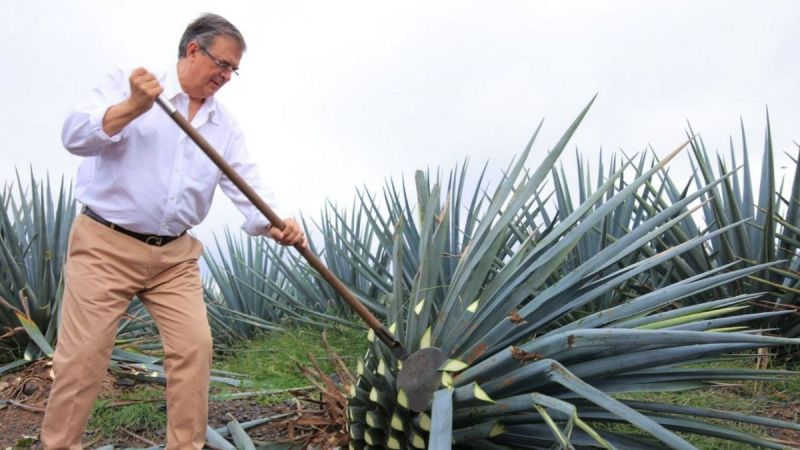
Mexico is negotiating with India to cut a 150% tariff on tequila imports, a move that could open a larger market for one of the country’s best-known exports even though no new rate has taken effect yet.
On Thursday, November 5, Mexican Economy Secretary Marcelo Ebrard said the two governments already have terms of reference for the talks and that he expects the result to be formalized in 2027. He said Mexico is seeking a gradual reduction in the Indian tariff to less than 50%, which would amount to a cut of more than 100 percentage points from the current level.
Ebrard made the comments in Guadalajara during an event marking the Day of the Tequila Producer, according to remarks reported by the Mexican newspapers El Financiero and El Economista. He said the current tariff is too high to support what Mexico considers a healthy trade relationship with India. He described tequila as both an export product and a national symbol, arguing that its treatment in foreign markets carries weight beyond the value of the shipments themselves.
The talks matter because India has become a growing destination for tequila despite the import duty. The National Chamber of the Tequila Industry, or CNIT, has said tequila exports to India rose by more than 30% between 2024 and 2025, according to El Financiero. El Economista, citing the same industry group, also reported that sales to India now exceed 1 million liters a year. The market is still small compared with the United States, but producers see it as an important foothold in a country with a large consumer base and a growing taste for imported premium spirits.
Ebrard said the reduction Mexico is pursuing would be phased in rather than imposed all at once. He did not provide a final schedule for the cuts, and neither government has announced a binding tariff calendar. That means the current 150% duty remains in place while the negotiations continue. A lower tariff would reduce one cost on imported tequila, but it would not automatically produce an equal reduction in the final shelf price in India because retail prices also reflect distribution, taxes, marketing and margins.
The Mexican government’s push also fits a broader effort to diversify tequila exports beyond their dominant U.S. market. El Financiero reported that the United States still accounts for 82% of tequila exports, far ahead of other destinations such as Spain, Colombia, Australia, the United Kingdom and France. That concentration has made market diversification a priority for producers and officials, especially in places where demand for imported spirits is rising but trade barriers remain high.
India stands out in that strategy because of both its size and its restrictions. Ebrard said the country’s market of about 1.5 billion people makes it too important to ignore. At the same time, tequila producers have had to compete there against lower-priced local alcoholic beverages while absorbing the effect of the import tariff. Industry leaders have argued that the fact sales have still increased shows there is room for much faster growth if the duty comes down.
Roberto Ciprés Cruces, president of the CNIT, said the international expansion of tequila has depended on years of investment, product development and cooperation between the industry and the government. He also pointed to the importance of protecting tequila’s denomination of origin and defending the spirit in trade talks abroad. Those issues have become central for Mexican producers as the category grows in new markets and faces more imitation and competition.
Recent export data show that the tequila industry is still expanding overall. El Economista reported that, through September, tequila exports reached 325.2 million liters, up 2.2% from the same period a year earlier. For producers, that steady growth adds urgency to negotiations that could improve access to markets outside North America.
For now, the main change is diplomatic progress rather than trade policy already in force. Ebrard said Mexico and India have moved beyond informal talks and into a more defined negotiating stage, but the agreement he described is still prospective. If the two sides complete it in 2027, tequila producers would gain one of the clearest signs yet that India is prepared to give the Mexican spirit more favorable access to its market.