Study Finds Grape Vines Trigger Whole-Plant Chemical Shifts Soon After Fungal Infection
Researchers found distinct defense signatures in Chardonnay and Gewürztraminer after exposure to Neofusicoccum parvum, pointing to possible early markers of tolerance.
Monday, September 28, 2026
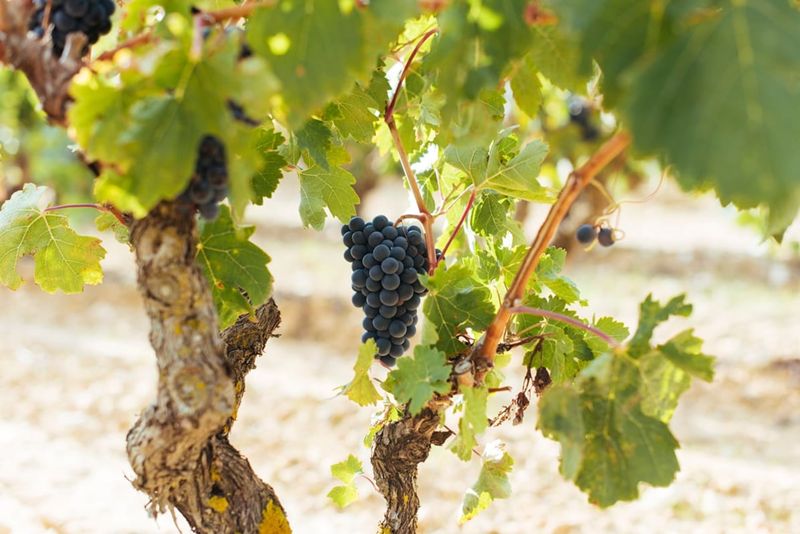
A study published in BMC Plant Biology says grapevines with different levels of tolerance to trunk disease show sharply different chemical responses soon after infection with Neofusicoccum parvum, a fungus widely linked to serious vine decline.
The research focused on two grapevine cultivars, Chardonnay and Gewürztraminer, and used whole-plant metabolomic analysis based on LC-MS to track how each plant responded after exposure to different isolates of the fungus. The aim was to move beyond visible symptoms and measure the early biochemical changes that may help explain why some vines cope better than others.
According to the study, the contrast between tolerant and susceptible responses was clear. The researchers detected distinct metabolic signatures in the two cultivars after infection, including differences in compounds tied to plant defense and stress signaling. Among the molecules that stood out were stilbenes, which are well known in grapes as part of the plant’s defense system, and oxylipins, lipid-derived compounds involved in stress and immune responses.
The work is notable because it looked at the whole plant rather than only the area around the infection site. That approach showed that the response to N. parvum was not just local. The study identified early systemic changes, meaning the fungus triggered chemical shifts in parts of the vine beyond the tissues first affected. That finding adds to evidence that grapevine trunk diseases can alter plant function in broader ways before major external damage is visible.
The paper also found that the plant response varied depending on the fungal isolate. In practice, that means the outcome of infection may depend not only on the grape variety but also on the specific strain of the pathogen involved. For growers and researchers, that adds another layer to the challenge of managing trunk diseases, which are already difficult to control because they develop over time and are often detected late.
Neofusicoccum parvum is considered one of the main fungi involved in grapevine trunk diseases, a group of chronic wood infections that can reduce vigor, damage vascular tissues, and shorten vineyard life. These diseases are a major concern in wine regions because infected vines can lose productivity and require expensive replacement. The new metabolomic data do not offer a direct treatment, but they give a closer view of the biological processes that separate a more resilient vine from a more vulnerable one.
That could matter well beyond plant pathology labs. If the metabolic markers identified in the study hold up in further testing, they may help breeders and viticulture specialists screen varieties or planting material for stronger tolerance. They could also support more precise monitoring in vineyards by helping identify infection responses earlier, before severe trunk symptoms appear. For the beverage industry, especially wine producers, that kind of advance could eventually help protect grape supply, improve vineyard management decisions, and reduce losses linked to trunk disease.
The findings may also be useful in variety selection. Growers often choose cultivars based on fruit style, climate fit, and market demand, but disease tolerance can become more important as vineyards face higher pressure from chronic pathogens. A better understanding of how each cultivar mobilizes defense-related metabolites could support more informed choices about planting, replanting, and regional adaptation.
The study does not mean the newly identified compounds are ready to be used as field diagnostics. Biomarker work usually requires validation across more vineyards, seasons, and environmental conditions. Still, the results point to a set of candidate signals that could help explain tolerance and provide a basis for future tests. In a crop where trunk diseases often stay hidden until damage is advanced, earlier biological indicators would be valuable.
By comparing whole-plant chemical responses in two contrasting grapevine cultivars and across different fungal isolates, the research adds detail to a long-standing problem in viticulture. It suggests that tolerance is tied not only to whether a vine reacts, but to how quickly and in what way its metabolism shifts after infection.