Grapevine Yeasts Reduced a White Rot Pathogen by 83% in Laboratory Tests
The study identified wood-inhabiting strains whose volatile compounds slowed Fomitiporia mediterranea, a fungus tied to esca.
Thursday, September 24, 2026
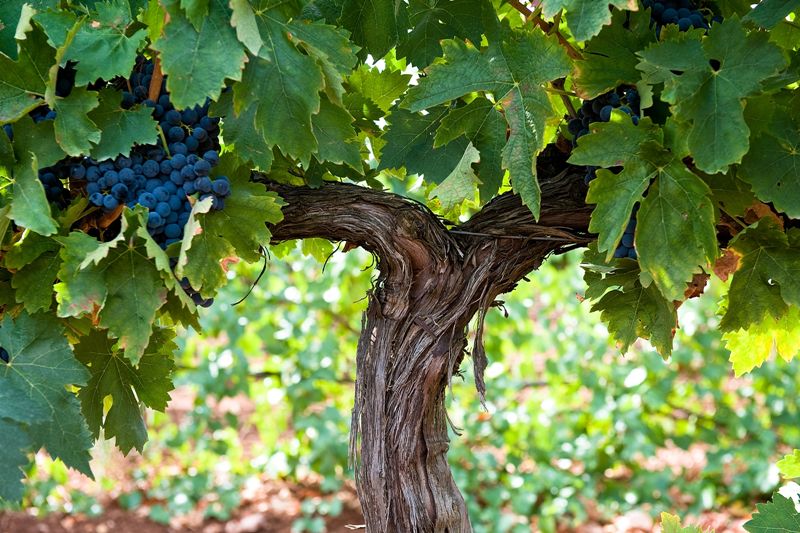
Researchers reporting in the journal OENO One said naturally occurring yeasts that live inside grapevine wood showed a strong ability in laboratory tests to slow the growth of Fomitiporia mediterranea, the fungus most often linked to the white rot that marks esca, one of the world’s most damaging grapevine trunk diseases.
The study, published Thursday, examined endophytic yeasts isolated from Cabernet Sauvignon and Sauvignon Blanc vines in a vineyard in Fossalon, in Italy’s Gorizia area. The authors said esca is closely tied to wood decay and causes major losses in vineyards, yet the role of yeasts living in woody tissues has received far less attention than the fungi already associated with the disease.
The team collected trunks and arms from 19 vines in September 2023, including 10 Cabernet Sauvignon and nine Sauvignon Blanc plants, all 13 years old and considered susceptible to esca. They sampled three kinds of tissue from the wood: asymptomatic tissue, necrotic lesions and white rot. From those samples, they identified 37 yeast strains belonging to four species: Aureobasidium pullulans, Papiliotrema terrestris, Rhodotorula glutinis and Hanseniaspora uvarum.
White rot was the main source of those isolates, a result the researchers said points to that decayed wood as a selective niche for yeasts with antagonistic behavior against the pathogen. In practical terms, that means the disease-affected wood itself may harbor microorganisms that can interfere with the fungus driving part of the damage.
The researchers then tested whether the yeasts could suppress Fomitiporia mediterranea in vitro. In direct culture assays, the effect varied widely by strain. That strain-by-strain variation was one of the study’s central findings. Not every yeast worked well, but some performed much better than others.
Among the strongest candidates were strains of Rhodotorula glutinis and Papiliotrema terrestris. When the scientists focused on volatile compounds released by selected yeasts, they found that those airborne metabolites reduced the pathogen’s mycelial growth by as much as 83%. The paper also reported that non-volatile metabolites significantly inhibited fungal growth.
The work went beyond simple growth measurements. The team also examined how selected yeasts affected lignin-degrading enzyme activity in Fomitiporia mediterranea, including laccase and manganese peroxidase-related activity. Those enzymes matter because white rot involves wood decay. The authors found that co-cultivation with yeasts changed the pathogen’s enzymatic activity, suggesting that the interaction may alter the way the fungus breaks down grapevine wood.
The study was carried out under controlled laboratory conditions rather than in vineyards, and the authors did not present the yeasts as a ready-to-use treatment. Instead, they described the findings as evidence that yeast-derived volatile and non-volatile metabolites may help limit pathogen development and could support more sustainable management strategies for grapevine trunk diseases.
That matters beyond plant pathology. Grapevine trunk diseases reduce vineyard longevity, productivity and fruit supply, all of which can affect wineries and the broader beverage sector. If future work confirms that some of these yeasts can help manage white rot in the field, growers and wine producers could gain another tool to protect vines with less reliance on conventional chemical control. For an industry that depends on stable grape quality and long-lived vineyards, even incremental gains in trunk disease management can carry economic value.
The article also underscores a broader shift in viticulture research toward using the vine microbiome as a source of biological control agents. While bacteria and filamentous fungi have drawn more attention in that area, the authors said wood-inhabiting yeasts have been underexplored despite their known presence in decaying wood and their capacity to produce compounds that affect other microorganisms.
Esca remains a difficult disease complex for growers. Its symptoms can include brown wood streaking, necrotic lesions and, most distinctively, white rot in perennial tissues. Some affected vines also develop leaf symptoms known as tiger stripes, though a direct causal link between the wood-colonizing agents and leaf symptoms is still unresolved. The infection process can begin through fresh pruning wounds, and disease development in wood can take months or years. Recent research has also raised concern that infected nursery material may bring pathogens into vineyards before vines are even planted.
Against that backdrop, the new paper offers a focused look at a part of the vine microbiota that has often been overlooked. By isolating yeasts directly from grapevine wood and testing both the organisms and their metabolites against Fomitiporia mediterranea, the researchers identified several promising candidates for further study.
The paper notes that after publication, the journal updated the article with a corrected version because an incorrect version had initially been published by the editor. According to the notice attached to the study, the corrected version includes changes to the title and article content.
Even with the updated publication, the core message is clear: some yeasts already living inside grapevine wood can strongly inhibit a key white rot pathogen in laboratory conditions, and their volatile compounds appear especially active. The next question for researchers will be whether that effect can be reproduced reliably in vines, where disease pressure, wood structure, climate and vineyard practices make the problem far more complex than it is in a petri dish.