The European Union and the Philippines Reach a Trade Deal in Principle
The compromise would lower barriers for pork, dairy, spirits, wine and olive oil if negotiators complete the legal text.
Wednesday, September 23, 2026
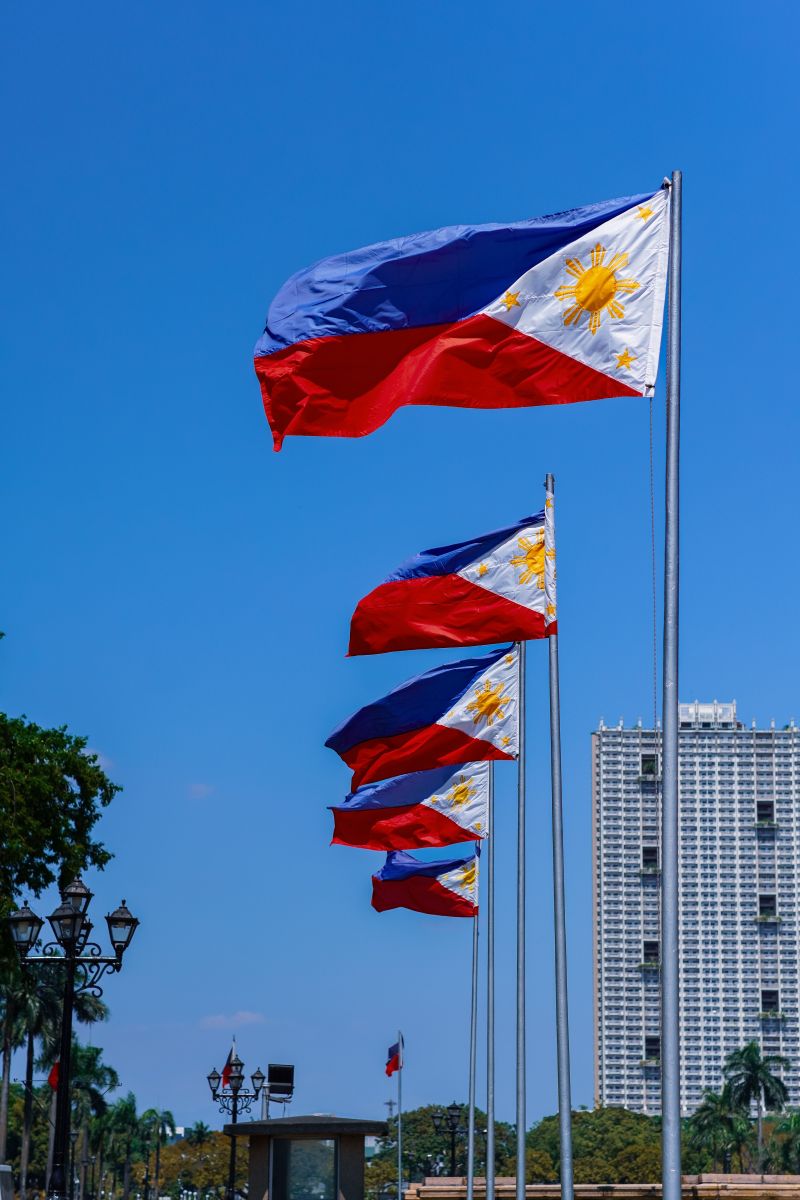
Brussels and Manila have reached an agreement in principle on a free-trade deal, a step that could open the Philippine market further to a range of European food and drink exports if the talks are completed and the pact is approved.
European Trade Commissioner Maros Sefcovic announced the breakthrough on September 22, saying the European Union and the Philippines had found a compromise after months of renewed negotiations. The European Commission released only limited details, but it said the understanding includes tariff liberalization for what it called key agri-food exports, including pork, poultry, dairy products and spirits.
European wine and olive oil are also expected to benefit from the future agreement, according to the outline presented by Brussels. For producers in France and elsewhere in the EU, that could improve price competitiveness in the Philippine market over time, especially in drinks categories where import duties can weigh on margins and export planning. Any commercial effect, however, will depend on the final legal text and on how quickly the agreement is put into force.
At the same time, several politically sensitive sectors for the EU are expected to remain outside the concessions. Brussels indicated that rice, beef, sugar, ethanol, garlic and bananas should be excluded. That suggests negotiators have tried to protect areas seen as vulnerable inside the bloc while still securing broader market access for products where the EU sees stronger export potential.
The compromise also includes protection for a list of 200 EU geographical indications that Brussels said have significant commercial interest. That point matters for European producers that rely on protected regional names as part of their export strategy. In the wine and spirits business, geographical indication protections can be as important as tariff cuts because they help defend branded origin products against imitation in overseas markets.
The announcement does not mean a final agreement has been completed. EU and Philippine negotiators still have to finish technical discussions in the coming months, including the implementation rules and the last outstanding details. Once the text is finalized, it will still have to go through the EU’s standard trade approval process before it can take effect.
The talks had resumed at the end of 2024 after a seven-year pause. The earlier suspension reflected EU concerns about the policies of then-President Rodrigo Duterte. Their restart marked a broader shift in Brussels’ external trade policy as the bloc tries to deepen its economic links in the Indo-Pacific, a region where the EU has been seeking greater commercial and strategic influence.
That wider geopolitical context helps explain the timing of the move. The Philippines offers the EU a growing consumer market in Southeast Asia and a chance to strengthen its presence in a region where trade competition has intensified. For Manila, closer access to the European market could help diversify trade relationships and attract more foreign business interest.
Few details have been made public on the depth of the tariff cuts, the phase-in periods or any quotas that could apply to the agricultural products covered by the deal. Those points will matter for exporters and importers trying to assess the real economic value of the agreement. In food and beverage trade, headline liberalization often masks long transition periods, product-specific exceptions or administrative requirements that can limit the immediate impact.
Even so, the sectors named by Brussels give an early indication of where the EU believes it can make gains. Spirits were explicitly included among the exports set to benefit from tariff liberalization, and wine was singled out as another likely winner. For European beverage companies, including French wine producers looking for growth in Asia, that creates a potential opening in a market where lower duties could support distribution and pricing strategies. The same logic could extend to other premium drinks tied to protected European origins if the geographical indication chapter is implemented as outlined.
The exclusion of ethanol from the concessions also stands out. That decision points to the balance negotiators are trying to strike between export opportunities and protection for sectors that remain sensitive within the EU. It also shows that even as Brussels pushes for greater access abroad, it continues to ring-fence products that could trigger stronger domestic resistance.
For now, businesses have an outline rather than a completed trade pact. The Commission’s statement signals political agreement between both sides, but the commercial terms still need to be translated into a legal text and then approved through the EU’s institutional process. Until that is done, exporters will be watching for the final tariff schedules, the treatment of protected names and the timeline for entry into force.