European Commission sets rules for emergency state aid in wine oversupply crises
Member states can request permission to use national budgets when surplus stocks create exceptional pressure on the market.
Tuesday, September 22, 2026
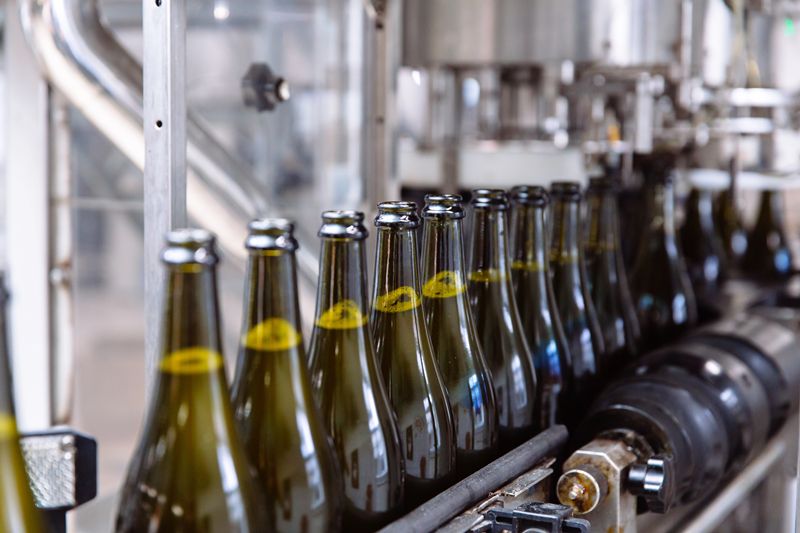
The European Commission has set new rules for when EU member states can ask Brussels for permission to give emergency national aid to the wine sector, creating a formal path for support measures aimed at dealing with excess supply.
The framework was published on Sept. 16 in the Official Journal of the European Union through Delegated Regulation 2026/2093. According to the text, the measure defines the conditions under which member states may request authorization from the Commission to grant crisis aid to the wine industry when supply pressures require intervention.
The aid covered by the regulation would come from national budgets, not from EU funds. That point is central to the new framework. Brussels is not opening a new common financing line for the sector. Instead, it is setting the legal conditions for capitals to seek approval if they want to use their own money to respond to a market imbalance in wine.
Under EU rules, state aid to specific sectors is tightly controlled because it can affect competition inside the single market. In practice, that means national governments cannot simply roll out sector support on their own when a crisis emerges. The new delegated regulation lays out how the wine sector may fit into that approval process when member states argue that supply conditions justify exceptional help.
The move comes against the backdrop of persistent concern in parts of Europe’s wine industry about the pressure created by large volumes and weak market absorption. The regulation does not itself impose a support program, and it does not guarantee that any country will receive authorization. Each member state would still have to prepare its request and make its case to the Commission under the conditions set by the new text.
For producers, cooperatives and traders, the measure matters because it gives wine-producing countries a clearer route to intervene if stocks rise to levels that strain the market. If governments decide to use the framework, it could affect how quickly surplus product is removed from commercial channels. That, in turn, could influence inventory levels and price pressure across the broader beverage trade in Europe, especially in markets where wine plays a large role in distribution and retail turnover.
The regulation also draws a clear line between EU agricultural support and national emergency action. By requiring authorization from Brussels while keeping the funding burden on member states, the Commission is trying to preserve control over state aid rules while allowing room for targeted intervention in exceptional circumstances. That balance is politically important in a sector where market conditions can vary sharply from one producing country to another.
The publication of the regulation gives legal certainty to governments that have been seeking a clearer basis for crisis action in wine. It also gives the industry a better sense of the conditions under which national authorities may step in. While the detailed use of the framework will depend on future requests from member states, the immediate effect is to establish an official EU procedure for national crisis aid tied specifically to a supply crisis in the wine market.
Attention is now likely to turn to major wine-producing countries, which will have to decide whether current market conditions justify asking Brussels for authorization and whether their domestic budgets can support any measures they may want to propose.