A late April freeze slashed Virginia’s grape harvest.
White varietals suffered the deepest losses, pushing wineries to stretch inventories, consider outside fruit into 2027.
Tuesday, September 22, 2026

Views › 2021
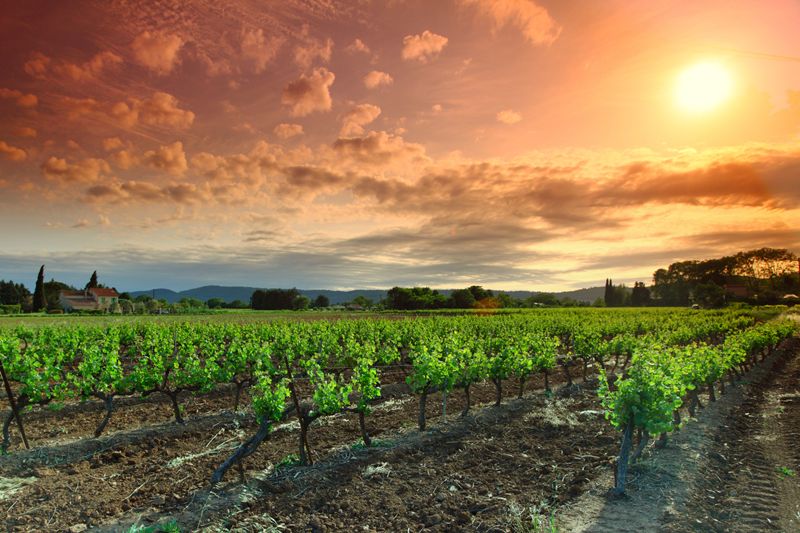
Virginia wineries are heading into harvest with far fewer grapes than usual after a hard freeze in late April damaged vines across much of the state just as buds were emerging, and growers say the losses are already changing what will reach tasting rooms, restaurants and store shelves over the next year.
The freeze pushed temperatures into the 20s in many parts of Virginia during a vulnerable stage of the growing season. It hit after a promising start to the year and was followed by drought, adding more stress to vineyards. The damage was broad enough to contribute to a federal disaster declaration, and some growers said they lost their entire crop.
The immediate result is not an empty market, at least not yet. Many established wineries still have inventory from stronger years, which should help them keep selling through this season. But the 2026 harvest is sharply smaller at a number of wineries, especially for white grapes, and producers say the real pressure may come later as they try to maintain supply into 2027 and beyond.
At Boxwood Estate Winery in Middleburg, winemaker Sean Martin said the estate lost more than 90% of its white varietals. A normal harvest there produces 70 to 90 tons of grapes for nine wines. This year, the winery had less than 6 tons. Rather than spread that fruit across several bottlings, Boxwood decided to use it for a single sparkling wine priced at $60, a move Martin said offered the best return on a very limited crop.
The losses go beyond one season’s bottle count. Martin said about 10% of Boxwood’s vines died and will have to be replanted, extending the effect of the freeze into future vintages. Replanting also adds cost at a time when wineries are already dealing with lower output.
Other producers reported similar damage. Slater Run Vineyards in Upperville lost about 75% of its crop, according to winemaker Preston Thomas. The winery chose to drop the remaining fruit from its damaged white vines rather than put more strain on them. Slater Run usually produces as many as 3,000 cases a year. Thomas said output this year could fall to about 520 cases.
That loss is especially difficult because consumer demand has been stronger for whites and rosés. With fewer white grapes available, Slater Run is redirecting much of its surviving red fruit into rosé production. The winery is also removing some white wines from its tasting-room menu in an effort to stretch inventory through next year.
In the Blue Ridge, Hazy Mountain Vineyards & Brewery normally harvests about 160 tons of grapes, but production director Jason Hayman said this year’s crop is expected to be closer to 20 tons. The shortage has quickly changed the market for available fruit. Hayman said grapes he recently offered for sale were claimed in about a day, compared with about a week in a more typical year. He also raised prices about 20%, bringing them to $3,000 per ton.
The scramble has extended even to varietals that usually attract less demand, including Grüner Veltliner and Riesling. Several winemakers said Chardonnay is especially scarce, reflecting both the freeze’s heavy toll on white grapes and the strong demand for white wine in the market.
The smaller crop is likely to change what Virginia wineries bottle. Producers expect more blends and more non-vintage wines as they combine different varietals or mix wines from different years to fill gaps left by the damaged harvest. Some of those wines may be distinctive and well received, but the shift is being driven by necessity rather than style.
For the broader beverage business, the disruption could ripple beyond Virginia tasting rooms. A sudden drop in local grape supply may push some wineries to buy more bulk wine or outside fruit, while tighter availability can feed through to higher raw material prices and more pressure on inventories in the next production cycle. Those effects will vary by producer, but the supply shock has the potential to influence sourcing decisions across the wine trade.
Some wineries have that option. The wider U.S. wine industry has been dealing with softer consumption and excess inventory, making surplus wine and fruit from other regions, especially the West Coast, relatively affordable. Veteran winemaker Michael Shaps, who has worked in Virginia for 32 years, said some producers are already bringing in fruit from outside the state. He said he plans to import bulk wine from his properties in France, a step he also took after Virginia’s major frost in 2007.
But buying outside fruit creates a difficult choice for wineries that have built their identity around Virginia-grown wine. Thomas said Slater Run considered purchasing grapes from outside the state and decided against it. For wineries that market themselves on local terroir, that decision carries both commercial and reputational weight.
Labeling rules make that distinction visible to consumers. If a wine contains enough out-of-state fruit, it cannot be labeled as Virginia wine and instead carries the broader “American” designation. Farm wineries affected by the frost can seek state exemptions from Virginia’s normal fruit-sourcing requirements, but the question still goes to the heart of how many producers present themselves in the market.
The timing is especially sensitive because Virginia wine has spent decades trying to strengthen its standing with consumers and buyers, including on serious wine lists in Washington. The state’s industry has worked to define a regional identity around its own land and growing conditions. A year in which more producers may need to rely on outside supply complicates that message, even if many wineries see it as a temporary response to an abnormal event.
Not every vineyard was hit the same way. Growers at higher elevations generally fared better than those in lower-lying areas, suggesting that site selection and local topography played an important role in how much fruit survived. Even so, the freeze was severe enough that no part of the industry appears untouched.
Longtime producers say one bad vintage is manageable, particularly for wineries with older inventory and stronger balance sheets. The deeper concern is what repeated weather shocks would mean. Shaps said he is not producing wine under his own Virginia label this year and is instead selling his grapes to the more than a dozen wineries for which he makes wine. He warned that another damaging weather event next year could put some operations at risk of failing.
At Linden Vineyards, winemaker Jim Law said his white-wine production is down by more than half this year. Law, a longtime figure in Virginia wine, said the speed of change is what stands out most. He recalled that climate change once felt like a distant topic for winemakers. Now, he said, it shows up directly in the field and in the timing of the work. He remembered harvesting Chardonnay in gloves and jackets on cold mornings in earlier years. Now, he said, crews often start in T-shirts and face hot conditions by midday.
That shift in weather patterns is becoming harder for producers to treat as a one-off problem. This year’s freeze cut output, reduced the supply of white grapes, lifted some grape prices and forced wineries to rethink what they will bottle. The inventory cushion many established producers still have may delay the full effect on consumers, but the 2026 growing season is already reshaping Virginia wine from the vineyard forward.