Triple Rock Brewery Will Close in 2026 After 40 Years in Berkeley
The founders cited retirement, saying the downtown Berkeley brewpub will remain open through the University of California fall semester.
Monday, September 21, 2026
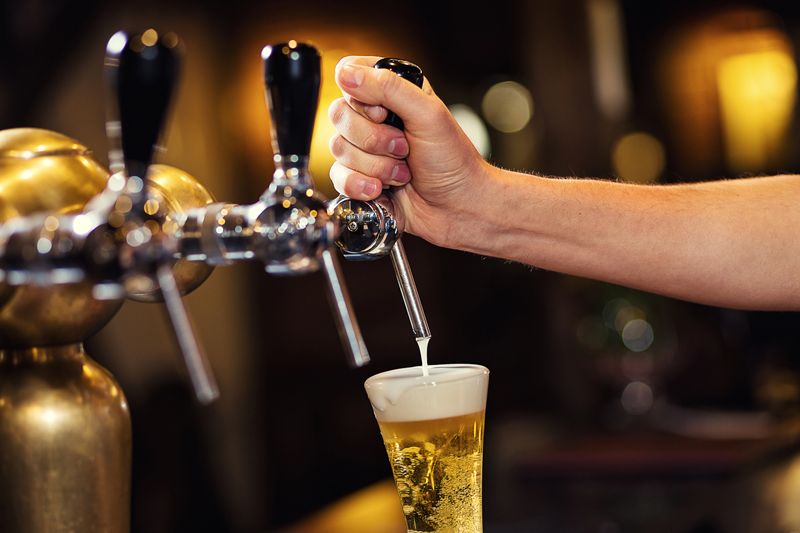
Triple Rock Brewery & Alehouse in downtown Berkeley, one of the earliest brewpubs to open in the United States after Prohibition, said it plans to close near the end of 2026 after 40 years in business.
The company announced the decision in a statement dated Sept. 17, saying the move is tied to the planned retirement of founders John and Reid Martin, the brothers who opened the business in 1986. The company did not say it was insolvent, and it did not disclose recent annual production, revenue, losses, the number of workers who could be affected, or an expected price for the property.
Triple Rock said it expects to remain open through the end of the University of California, Berkeley fall semester. The Martins own the building at 1920 Shattuck Avenue and said the property will likely be offered for sale or lease.
The brewery said it has produced 5,884 batches since opening, equal to more than 41,000 barrels and more than 10 million pints. It opened on March 14, 1986, originally under the name Roaring Rock Brewery, when John Martin was 25 and Reid Martin was 28. The company says it is the oldest continuously operating brewpub in the country. Its account of its history, which was also cited in reporting by the San Francisco Chronicle, places it among the first five brewpubs to open in the United States after Prohibition.
That timing made Triple Rock part of the early wave that helped define the modern American craft beer business. In the mid-1980s, brewpubs were still unfamiliar to many consumers and regulators. In the company’s statement, John Martin said that in the early years he often had to explain what a brewpub was. He said Berkeley officials initially did not understand the model and believed a microbrewery belonged in an industrial area rather than in the city’s downtown business district.
Reid Martin said the beer market looked very different when the brothers started. Small-batch beer was rare in the United States, he said, and most beer came from large industrial breweries. Over the next four decades, brewpubs became a central part of the craft beer movement by combining brewing, food service and on-site sales in one location.
Triple Rock built a following in Berkeley with house-made beer, burgers and a long-running late-night bar culture tied to the university and the downtown district. The brewery became known for beers including IPAX, Red Rock Ale, Pinnacle Pale Ale and Black Rock Porter, along with rotating seasonal releases. The company said its Thursday Monkey Head Nights will continue through its remaining months, along with anniversary-style promotions that include 1980s pricing on some events and the return of beers from its archive.
The closure will remove a long-standing fixture from a city where independent food and drink businesses have struggled with changing consumer habits, rising costs and ownership transitions. Brewpubs in particular have faced pressure from softer beer demand and the difficulty of passing founder-led businesses to a new generation. In Triple Rock’s case, the owners framed the move as a retirement decision after more than four decades of running the business.
“After 40 years, we are ready to spend less time navigating the day-to-day and more time exploring some of the other things we have put off along the way,” John Martin said in the statement.
The brewery’s influence extended beyond Berkeley. A number of brewers who worked at Triple Rock later moved on to prominent roles elsewhere in craft beer, according to the company. Those alumni include Shaun O’Sullivan of 21st Amendment Brewery, Rodger Davis of Faction Brewing, Christian Kazakoff of Canyon Club, and Teri Fahrendorf, a former Steelhead Brewing brewmaster who founded the Pink Boots Society, a professional network for women and nonbinary people in brewing.
The company said its current brewmaster, Jeff Kimpe, has led the brewery for more than 12 years after previous work at Pyramid Ales and Drake’s Brewing. Reid Martin said Kimpe helped preserve Triple Rock’s traditions while pushing its beer list forward.
The Martins also pointed to the role of employees over the years, saying the business depended on generations of bartenders, cooks, servers, managers and support staff as much as on its founders. The company did not say how many workers are currently employed at the site or whether there are plans for severance, retention incentives or help with job placement.
For Berkeley, the planned closing is likely to carry more than business significance. Triple Rock spent decades serving as a meeting place for students, alumni, residents and visiting beer drinkers. The company said customers have used the space for first dates, reunions, after-work drinks, Cal game celebrations and informal gatherings that stretched across generations. That kind of local identity helped make early brewpubs more than production sites. They functioned as neighborhood businesses built on repeat traffic, regular events and the idea that beer could be made and consumed in the same room.
The property itself may become the next focus of attention. Because the Martins own the building, the end of brewing operations does not automatically mean redevelopment, but it opens the door to a sale or a new tenant in a central downtown location. The company did not say whether it has already received interest from prospective buyers or lessees, or whether any effort is underway to preserve the site as a bar or restaurant.
For now, the business remains open and is asking current and former customers to visit while it is still operating. It has also created an online “memory wall” for people to submit photographs and stories tied to the brewpub’s history.
The announcement marks the likely end of a business that began when the American craft beer sector was still in its infancy and continued through the industry’s rise into a national market. Triple Rock’s final months will close out one of the longest continuous runs in that early generation of brewpubs, a format that helped shape how many Americans first encountered locally made beer.