Hesse wine growers began harvesting in mid-August after a dry summer hastened ripening.
Associations in the Rheingau and Hessische Bergstraße report smaller grapes, lower yields in some vineyards and strong prospects for the 2026 vintage.
Thursday, September 17, 2026
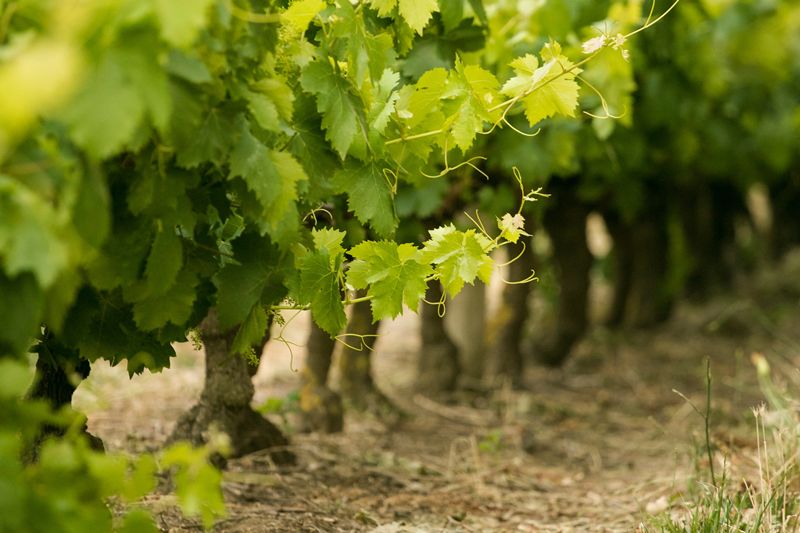
The wine harvest in Hesse started unusually early this year, and growers in the state’s two wine regions say the dry summer has produced smaller grapes but promising quality.
Industry groups in the Rheingau and on the Hessische Bergstraße said Tuesday that picking began as early as mid-August after a long stretch of dry weather. In both regions, growers are reporting healthy fruit and strong expectations for the 2026 vintage, even as yields appear lower in some vineyards.
In the Rheingau, which has more than 3,000 hectares of vineyards, harvest began “extremely early,” in mid-August, according to Dominik Russler, managing director of the Rheingau Winegrowers’ Association in Oestrich-Winkel. He said he expects “a great vintage” in terms of quality.
Peter Seyffardt, president of the Rheingau association, said he is expecting “an outstanding red wine vintage.” He added that the berries of Riesling, the region’s most important late white grape variety, are “very healthy.” The Riesling harvest is still underway, and Seyffardt said it will be important to avoid the kind of late heavy rain that affected last year’s season.
Manfred Stoll, a viticulture professor at Geisenheim University, said this year’s weather had largely worked in the Rheingau growers’ favor. “In many ways, we were lucky,” he said. He noted that vineyards in the region were spared both late frost and hail, and entered the growing season after a relatively wet winter and spring.
That changed in the summer. Stoll said rainfall in June, July and August was well below the long-term average. Parts of the Rheingau also saw extreme heat, with temperatures approaching 40 degrees Celsius.
The dry weather brought mixed effects in the vineyards. Stoll said some white grape varieties, especially Riesling, suffered sunburn damage in some places. He added that irrigation is becoming a more important issue, but growers are increasingly finding it harder to justify watering vines during hot summers when local authorities are urging water conservation.
At the same time, the lack of rain reduced problems from harmful fungal infections, Stoll said. As a result, growers needed plant protection products only “very sparingly.” Seyffardt said a single plant protection treatment can cost a larger winery €3,000, making the lighter disease pressure a meaningful economic factor for producers.
On the Hessische Bergstraße, the state’s smaller wine region with about 440 hectares of vineyards, growers also saw what the local association described as a historically early start to the harvest. Lisa Jung, managing director of the Hessische Bergstraße Winegrowers’ Association, told the German Press Agency that one winery began picking white Burgundy grapes for sparkling wine base on Aug. 13.
Jung said average yields and grape size on the Bergstraße are lower than a year ago because of the dry conditions, but growers are very satisfied with quality. She said nights have now turned quite cool, which is helping the grapes that are still being picked.
She also suggested that somewhat smaller volumes may not be entirely negative in the current market, given generally declining wine consumption. That market backdrop means the early harvest and potentially reduced output could matter beyond the vineyards. For wine producers, distributors and retailers in Germany, smaller volumes and a faster harvest can shift supply timing, affect sales planning and shape price negotiations in the months ahead.
The comments from Hesse’s wine associations point to a season defined by weather extremes but limited storm damage. Growers avoided some of the risks that can sharply cut quality, such as frost, hail and widespread fungal disease, but they still had to manage the effects of heat and drought on berry size and water supply.
The Rheingau remains one of Germany’s best-known wine regions, with Riesling playing a central role. The Hessische Bergstraße, though much smaller, is one of the country’s 13 official wine-growing areas and is also closely watched by the trade for early signals about harvest timing and fruit quality.