France Pledges More Than €1 Billion to Farmers Hit by Drought
The package includes €520 million in solidarity payments, 80% advances for insured farms, plus aid for fertilizer and diesel costs.
2026-09-08
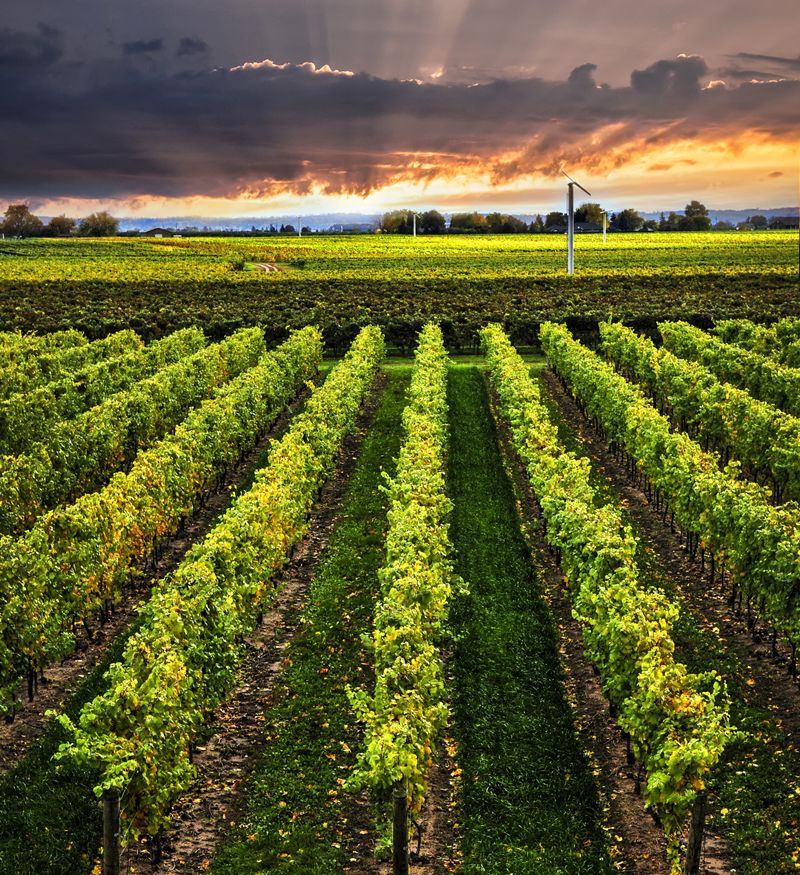
France’s government said Monday that it will mobilize more than €1 billion in aid for farmers hit by drought, as the country faces a difficult growing season marked by extreme heat, water stress and wildfire damage.
The announcement, published by the government on info.gouv.fr, adds new support for a farm sector already under pressure from repeated climate shocks. The package is aimed at helping producers manage immediate cash needs and keep operations running after losses linked to the 2026 drought and other weather-related events.
According to the government, €520 million will be directed through the ISN, the national solidarity compensation mechanism, and insured farmers will be able to receive an advance payment of 80%. That step is designed to speed up liquidity for farms waiting for compensation after crop and production losses. Faster advances can be critical at a time when many growers must still pay wages, suppliers and seasonal operating costs even as yields fall.
The government also said €235 million would be allocated to what it described as an agricultural recovery effort. In the material released Monday, Paris presented the broader package as a response not only to drought, but also to heat waves and fires that have added to pressure on farm income and output in several regions.
In addition, France said it would extend support tied to nitrogen fertilizers and diesel, two major input costs for many farms. That part of the package is significant because it addresses expenses that can continue to weigh on producers even when harvests are reduced. Fertilizer and fuel costs affect field work, irrigation, transport and the ability to prepare for the next planting cycle.
The government’s announcement did not, in the material available on Monday, provide a full regional breakdown of how the money would be distributed or specify the final share likely to go to different farm sectors. But the message was clear: Paris is trying to stabilize farm finances quickly as climate-related losses spread across agriculture.
The measure comes as drought has become a recurring policy issue in France, where long dry periods and high temperatures have disrupted crop growth and raised pressure on water resources. For farmers, the impact can vary widely depending on location and the type of production, but common problems include lower yields, pasture shortages, weaker forage availability, higher feed costs and damage to orchards, vineyards and field crops. Fires can add another layer of loss by destroying land, infrastructure or stored materials.
The government framed the aid as an emergency response, but it also underlines a broader challenge for French agriculture: climate shocks are no longer isolated events. Repeated episodes of drought and heat are pushing public authorities to rely more often on compensation systems, input support and special financing to keep farms operating. That raises questions for policymakers about how often the state may need to intervene and how agricultural insurance and solidarity mechanisms should work as weather risks become more frequent.
The announcement also matters beyond farming. France is a major producer of wine and other agricultural goods that feed into beverages, and support for fertilizer, diesel and faster compensation could help some growers protect cash flow and maintain production after a poor season. In vineyard areas, that may affect the ability of producers to sustain harvest operations, manage damaged vines and continue supplying wineries. The same logic can extend to barley and other crops tied to beer and spirits, though the effect will depend on the severity of local losses and on how the aid is ultimately distributed.
By combining direct compensation, faster advances and input support, the French government appears to be trying to address both short-term losses and the practical costs of staying in business through the next cycle. That approach reflects the reality many farmers face after drought: the damage is not limited to one harvest, because weakened finances can affect planting, maintenance and investment decisions well into the following year.
The package is likely to be watched closely by farm groups, insurers and food and beverage producers, especially in regions where drought and heat have cut expected output. For insured farms, the promise of an 80% advance under the solidarity mechanism could ease immediate financial strain. For farms outside the most directly compensated categories, the extension of fertilizer and diesel aid may offer some relief, though much will depend on implementation and the speed of payments.
France’s move also adds to the wider European debate over how governments should respond when climate extremes damage food production. With drought increasingly affecting both crop volumes and production costs, emergency aid is becoming a central part of farm policy rather than an exceptional tool. Monday’s announcement shows Paris preparing for that reality with a package large enough to exceed €1 billion, centered on compensation, recovery funding and support for essential farm inputs.
