Allied Blenders Secures Telangana License for 4.4 Million Bulk Liters of Malt Spirit Capacity
The approval lets the liquor maker produce a key whisky input in-house, reducing reliance on third-party distillers.
Wednesday, September 16, 2026
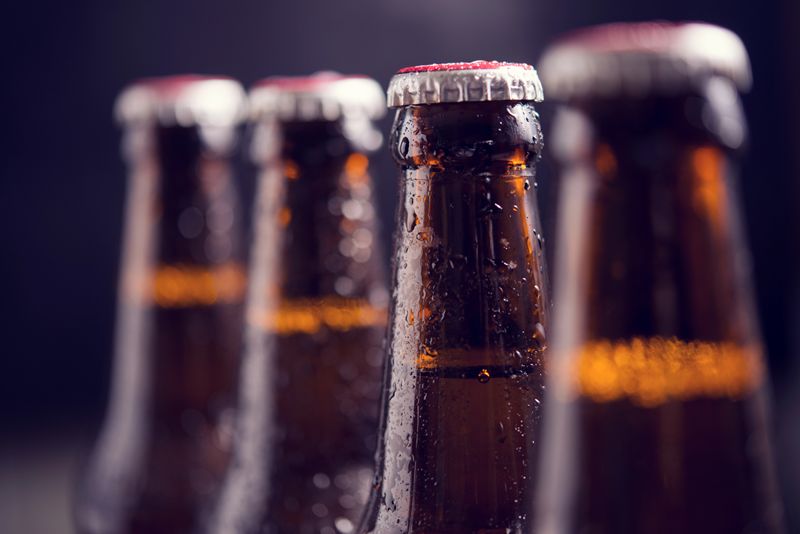
Allied Blenders and Distillers has received a license from Telangana authorities to manufacture malt spirit for drinking purposes at its facility in Rangapur Village in Wanaparthy district, giving the Indian liquor maker approved capacity of about 4.4 million bulk liters a year at the site.
The company disclosed the approval in a stock exchange filing made Tuesday. The license was granted by the Commissioner of Prohibition and Excise, Telangana, Hyderabad, and applies to the company’s unit in Pebbair Mandal. The approval is subject to the terms and conditions set out in the license and to the state’s excise laws and rules.
The move is important for Allied Blenders because the company said it had previously relied on third-party distillers for malt spirit used in its production. With the new license, it will be able to make that input in-house, which could give it more control over supplies and lower dependence on outside vendors. The company also said the approval should support raw material requirements and improve operating efficiency.
Allied Blenders said the license will also allow it to produce and develop its own single malt whisky products. That would widen its presence in a part of the Indian spirits market where companies have been trying to build more premium offerings as consumer demand shifts toward higher-priced brands.
India is one of the world’s largest spirits markets, and whisky remains a central category. In that context, approval for additional malt spirit capacity matters because malt spirit is a key input for some premium whisky products. Still, the company did not say when production at the licensed capacity will begin, how much money it plans to invest, how quickly it expects to use the capacity, or how the new approval compares with any existing internal manufacturing capability. That means the exact effect on supply cannot yet be calculated.
The filing described the licensed amount as about 4.4 million bulk liters a year. The company did not say that this volume would be produced immediately, and the approval should be understood as authorized capacity rather than current output. It also did not provide a production ramp-up schedule.
The development comes shortly after Allied Blenders introduced a new premium whisky brand, The Indian Edit, in the Indian market. The company has presented that launch as part of a broader push into premium whisky, where demand has been growing as some consumers move beyond entry-level products. In comments released around the launch, Managing Director Amar Sinha said the company sees premium whisky as a major area of growth in India’s spirits business.
For investors, the license adds a new operational detail at a time when the company is balancing expansion efforts with mixed near-term earnings trends. In its most recent quarterly results, Allied Blenders reported a 13% year-over-year decline in consolidated net profit for the first quarter, even as revenue and operating profit rose modestly. Net profit fell to Rs 49.2 crore from Rs 56.6 crore a year earlier, while revenue from operations increased 6% to Rs 979 crore from Rs 923 crore. Earnings before interest, tax, depreciation and amortization rose 3.5% to Rs 115.5 crore from Rs 111.6 crore, and EBITDA margin narrowed to 11.8% from 12.1%.
Those figures suggest the company has continued to grow sales but is still facing pressure on profitability. In that setting, the ability to manufacture a key input internally could become strategically useful if it helps improve procurement control or supports higher-value products. The company, however, has not given financial guidance tied to the Telangana approval, and it has not said whether the in-house production of malt spirit will materially change margins in the near term.
The license remains valid in line with applicable law as long as the company complies with the conditions attached to it, according to the filing. No separate timeline was given for commissioning equipment, beginning commercial production, or launching products that would specifically use malt spirit from the Rangapur facility.