The Hague’s last distillery may leave its city-center home over mounting costs
Van Kleef says a €50 daily parking fee, higher energy bills, rent and glass prices are straining the business.
2026-09-09
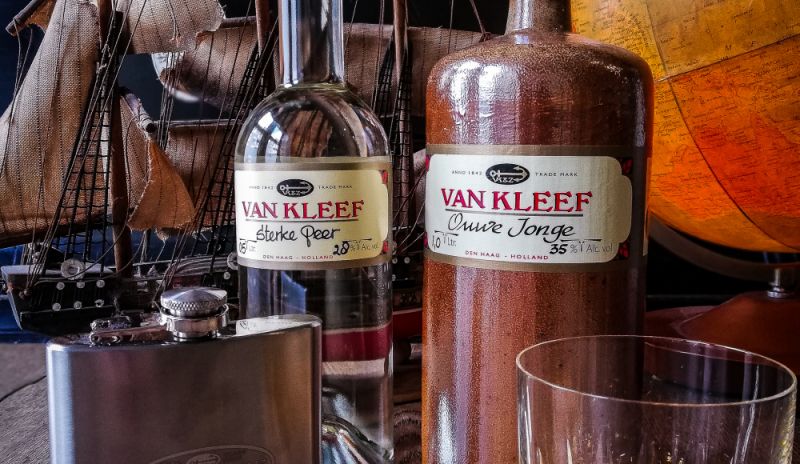
Van Kleef, the last distillery in The Hague, is weighing whether it can remain at its historic city-center site as rising operating costs put pressure on the business, according to DutchNews.
The company, founded in 1776, said a municipal parking charge of €50 a day is one of several factors threatening the future of its shop, museum and tasting room on Lange Beestenmarkt. Owner Fleur Kruyt told DutchNews that higher energy costs, rent and glass prices have added to the strain. The distillery is still open, and no final decision has been made on a closure or relocation.
Kruyt said the business may have to shift to a smaller model if conditions do not improve. One option under consideration is moving production to the outskirts of The Hague and continuing only as a distillery and wholesaler, without public access. That would mean ending the current combination of retail sales, tastings and museum visits that has helped support the site and its collection of historic equipment.
The case has drawn attention because Van Kleef is not only a small producer of jenever and liqueurs, but also a heritage business whose identity is closely tied to its location. The distillery began operating in the late 18th century as Distilleerderij Anker and was later taken over by the Van Kleef family in 1842. Today it is the city’s only remaining distillery.
The current problems come after years of financial and operational setbacks. DutchNews reported that in 2009, when the city installed traffic barriers in the neighborhood to reduce car access, Van Kleef’s revenue fell by 80%. That figure refers to the impact at that time, not current sales, but it shows how dependent the business has been on easy access for customers and suppliers.
The site had already been through earlier upheaval. In 1986, authorities ruled that large volumes of alcohol stored on the premises posed a safety risk, and distilling was no longer allowed there. Production was moved off site, while the historic building remained in use for other parts of the business. Van Kleef later reopened in 1995 as a broader operation that included a museum and tasting room, while bottling and labeling continued at the location.
Kruyt and her late husband, Louis Centazzo, also had to deal with a long period of street construction and redevelopment in the surrounding area, which DutchNews said drove customers away for years. After Centazzo died in 2015, Kruyt continued to run the business on her own. She later faced foreclosure and moved into an apartment on the property, according to the report. The neighborhood also changed over time, with gentrification pushing up rents.
The Covid pandemic added another shock. Van Kleef had to close its tasting room for a period, removing a key source of customer traffic. Kruyt told DutchNews the company created new products during that period to keep money coming in, including novelty items tied to the public health crisis. The report said those efforts helped the business survive, but the current cost pressures have become harder to absorb.
At the center of the latest dispute is the economics of staying in a historic urban location. For Van Kleef, visitors who buy bottles, book tastings or stop by the museum help cover the cost of preserving the distillery’s historic inventory and maintaining the premises. If those visitors become harder to attract because of parking costs, permit delays or other barriers, the public-facing part of the business becomes less viable.
Kruyt has also been trying to modernize and expand parts of the operation to attract more visitors, DutchNews reported. Those plans include work connected to the museum and the wider property. But discussions with landlord Stadsherstel Den Haag have gone on for more than two years, and no final resolution has been announced.
Jan-Willem de Bruijn, a director at Stadsherstel Den Haag, told DutchNews that the organization is taking a broad look at the complex. He said that review includes the shop, tasting room, museum, garden and apartments on the property, with the aim of investing in the preservation of what he called a unique part of The Hague. His comments suggested that the landlord sees heritage value in the site, but they did not provide a timeline for decisions or confirm specific investments.
DutchNews also reported that permit delays have added to the uncertainty. The publication said it contacted the office of Alderwoman Saskia Bruines for comment on the distillery’s situation and related issues but had not received a response by the time of publication.
A crowdfunding campaign has been running since 2025, but the source did not provide figures on how much money has been raised or whether that effort has materially changed the outlook. It also did not publish current sales data, production volumes or a detailed breakdown of cost increases. That leaves the broader financial picture incomplete, although the company’s warnings point to growing pressure on its business model in 2026.
For now, Van Kleef continues to receive visitors. Customers can still visit the small museum, drink in the tasting room, buy bottles made from old recipes and rent parts of the property for gatherings. Kruyt told DutchNews that the archive of recipes dates back to the 1840s and that the products are still made without artificial flavorings or colorings.
The stakes in the dispute go beyond one business. Van Kleef’s situation reflects a wider problem facing independent producers in city centers, where direct sales, tourism and public access often make the difference between survival and closure. In this case, the pressure comes from a mix of urban policy, property costs and rising input prices. If the distillery leaves its long-time address, The Hague could keep the brand and the production, but lose one of the few places where residents and tourists can still see that part of the city’s distilling history in person.
