Burgundy overtook Bordeaux as the top-traded fine wine region by value in July.
Liv-ex said the first lead since 2022 was driven by renewed demand for a handful of elite producers.
Tuesday, August 11, 2026
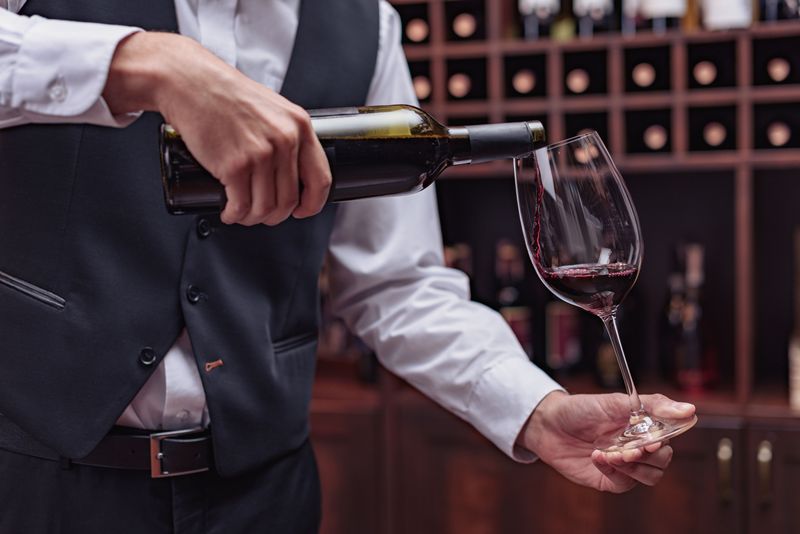
Burgundy overtook Bordeaux in July as the most traded fine wine region by value for the first time since 2022, according to a new analysis from Liv-ex, the London-based fine wine exchange, in a sign that demand has returned at the top end of the Burgundy market even as cheaper bottles continue to face pressure.
The shift reflects a recovery that has been narrow rather than broad. Liv-ex said the strongest activity was concentrated in a small group of elite producers, with Domaine de la Romanée-Conti, Ramonet, Leflaive and d’Auvenay accounting for about one-third of Burgundy trade in July. Those labels sit at the highest end of the market, where scarcity is a central part of pricing and where small changes in buying interest can move values quickly.
Liv-ex said Burgundy’s market share has risen after several years in which Bordeaux, long the dominant force in secondary fine wine trading, largely held its ground while Burgundy went through a correction. The exchange said Burgundy trading levels are now above where they stood just before the market’s earlier bull run, while Bordeaux has been comparatively flat.
The data point that drew the most attention was Burgundy’s lead over Bordeaux by traded value in a single month. In the fine wine market, value matters as much as volume because a small number of high-priced cases can reshape rankings across regions. That helps explain why a handful of prestige Burgundy names had such an outsize effect on July’s totals.
Liv-ex tied the rebound to a change in the balance between supply and demand. Its Burgundy 150 index, which tracks the price performance of the 10 most recent vintages from 15 key Burgundy wines, has returned to its 2019 peak. The exchange said that suggests the market has found a new equilibrium after prices fell from earlier highs. In practical terms, buyers who stepped back when Burgundy surged now appear more willing to return at lower levels, but mostly for the bottles with the strongest reputations.
That pattern can also be seen in the exchange’s bid-to-offer ratio, a measure traders use to compare buying interest with available supply. Liv-ex said the ratio has improved for Burgundy overall, but the gains are concentrated in top-tier wines rather than the broader regional market. For collectors and merchants, that means the headline recovery is not being felt evenly across producers or price bands.
Sophia Gilmour, a market analyst at Liv-ex, said the split is particularly visible when Burgundy is sorted by price. She said demand for wines priced below £5,000 per standard 12-bottle case has improved slightly, but the amount of stock being offered for sale continues to grow. She added that the better-known white wines in that range are an exception, showing firmer interest than many mid-range reds.
Auction results have also helped support the case for a recovery in the rarest wines. Liv-ex pointed to recent sales of La Tâche 2016, one of the flagship wines of Domaine de la Romanée-Conti, saying the wine has begun trading again around its 2019 peak. The exchange said a larger number of auction sales at similar or rising prices reinforces the view that the top of the Burgundy market has stabilized.
The renewed strength in Burgundy has come with a change in who is doing the buying. Liv-ex said the United Kingdom, historically Burgundy’s largest buyer base, lost some share of demand in 2025 but has regained ground this year. UK buyers now account for 58% of Burgundy bid exposure and 44% of traded value, according to the exchange’s figures.
That return of British demand matters because London remains one of the main hubs for global fine wine trading, even when the end buyers are elsewhere. Merchants, brokers and investors often use Liv-ex as a reference point for pricing, liquidity and relative strength across regions. When buying activity increases in the UK market, it can influence sentiment more broadly.
The figures also suggest a growing divide within Burgundy itself. At the very top, scarcity, brand strength and global recognition have attracted buyers back into the market. In the middle tier, however, supply still exceeds demand. Liv-ex said many of those wines may need to fall further before a more durable recovery takes hold.
That distinction is important for restaurants, retailers and private collectors who entered the market at different points in the cycle. The top wines are moving because buyers see them as rare assets with established global demand. Mid-range Burgundy, by contrast, has a larger pool of available stock and less pricing power, making it harder to clear at current levels.
The market’s recent behavior also says something about how buyers are approaching fine wine more broadly. Rather than returning across the board, they appear to be focusing on the labels with the strongest track records, the greatest scarcity and the best chance of holding value. In Burgundy, that means a recovery led by a small group of famous domaines instead of a wider rebound across villages, producers and styles.
Liv-ex’s analysis did not suggest the same momentum has yet spread throughout the rest of the region. It said that for wines below the top echelon, especially those outside the best-known names, the amount of inventory on the market remains high relative to demand. Even within the lower price buckets, the exchange said, some of the more recognized white Burgundies are drawing steadier interest than comparable wines from less sought-after labels.