Friuli Venezia Giulia opens its grape harvest to tourists
Visitors can pick grapes, tour family-run wineries and learn winemaking across a coordinated regional program
2026-08-04
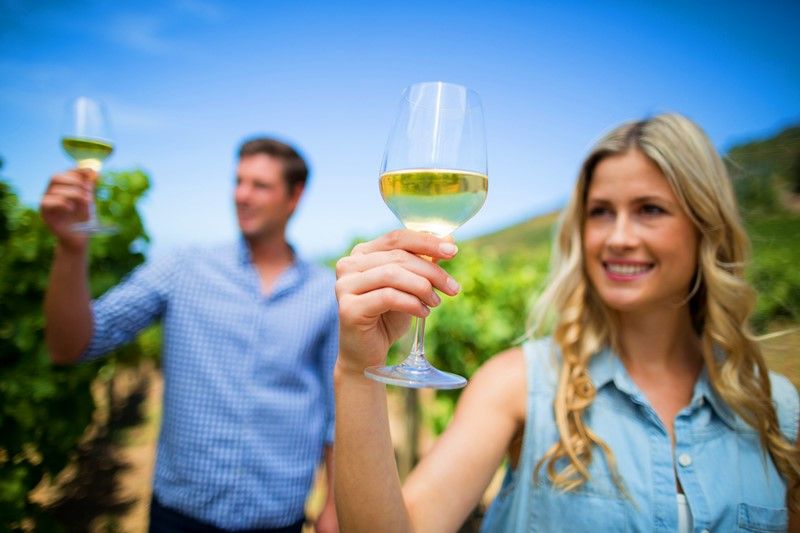
Friuli Venezia Giulia is turning this year’s grape harvest into a hands-on tourism program, opening vineyards and cellars across the region to visitors who want to take part in the harvest and learn how wine is made.
The initiative, organized by PromoturismoFVG, brings together wineries along the Friuli Venezia Giulia Wine and Flavors Route for what the regional tourism body describes as a “tourist-educational harvest.” The program is designed to give visitors direct access to one of the most important moments in the wine-growing year, when grapes are picked after months of work in the vineyard and moved into the first stages of winemaking.
Participating wineries include Colutta, Conte d’Attimis-Maniago, Elio Vini and Le Due Torri in the Friuli Colli Orientali DOC, Gradis’ciutta in Collio, and Tonutti and Gelindo dei Magredi in the Friuli Grave DOC. The activities span several wine areas of the region, from Collio to the Colli Orientali and beyond.
According to PromoturismoFVG, the program is aimed at a broad public rather than only experienced wine travelers. Wine enthusiasts will be offered technical explanations about production methods and guided tastings of selected labels. Families with children are also part of the target audience, with simpler activities meant to make the harvest accessible to younger visitors. In some wineries, the day will also include shared meals tied to harvest traditions, such as a growers’ lunch or a tasting dinner paired with estate wines and local food.
The idea reflects a wider shift in Italian wine tourism, where harvest season has become more than an agricultural deadline. For many wineries, it is now also a period that draws visitors looking for direct contact with vineyard work, local food culture and rural traditions. In Friuli Venezia Giulia, the regional approach stands out because it is being presented as a coordinated territorial offer rather than as isolated events run by individual estates.
PromoturismoFVG said visitors will be able to enter vineyards that are often closely tied to family-run estates and see producers explain how they judge grape ripeness and manage the different phases of harvest. That educational element is central to the project. The harvest is not being presented only as a festive experience, but also as a way to show how a year of vineyard management leads to decisions that shape wine quality.
For the beverage sector, initiatives like this can matter beyond tourism. They can help wineries build stronger direct relationships with consumers, create more opportunities for on-site tastings and bottle sales, and deepen public understanding of how regional wines differ by place and production method. In a market where producers increasingly compete on identity and experience as much as on price, programs that bring visitors into vineyards during harvest may also strengthen brand loyalty and support broader interest in wine regions outside Italy’s best-known destinations.
Friuli Venezia Giulia has long held a strong reputation for white wines and for a diverse landscape that includes hillside appellations and flatter growing areas. By linking harvest participation with guided tastings and local cuisine, the region is using one of wine’s most visible annual rituals to promote both its estates and its territory.
The program also speaks to a broader demand in travel for experiences that combine leisure with learning. Harvest activities offer visitors a chance to move beyond cellar-door tastings and see the physical labor behind wine production. That can be especially appealing at a time when many travelers are looking for smaller-scale, place-based experiences connected to agriculture and food.
The wineries involved are opening spaces that are usually reserved for production work at one of the busiest points of the year. That makes timing important. Harvest dates depend on grape maturity and weather conditions, so activities are closely tied to vineyard needs rather than fixed far in advance in the way many standard tourism products are.
By framing harvest as work, celebration and cultural education at once, Friuli Venezia Giulia is trying to turn a key stage of wine production into a regional attraction with appeal across age groups and levels of wine knowledge.
