Bruno Paillard moves Blanc de Blancs Grand Cru into darker bottles to raise recycled glass content
The Champagne house said the oak-colored glass better shields the wine from light, with recycled content rising to at least 85% from 25%
Thursday, November 5, 2026
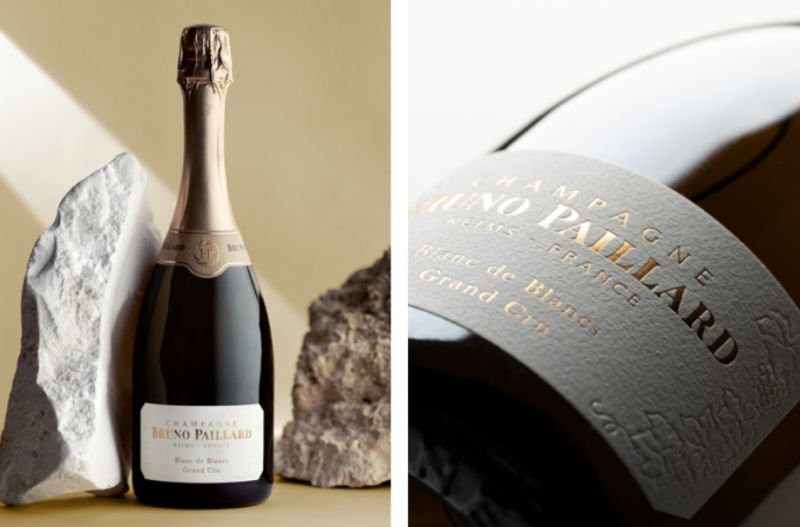
Champagne Bruno Paillard said Thursday, November 5, that it is moving its Blanc de Blancs Grand Cru into a new oak-colored bottle, extending a packaging change the Reims-based house had already introduced for its Première Cuvée Extra-Brut.
The company said the new glass color is meant to serve two goals at once: protecting the wine and lowering the environmental impact of the bottle. In a press release issued from Reims, France, the producer said the darker tinted glass offers better protection from light and improves conditions for storage and aging. It also said the shift away from clear glass will allow the bottle to contain a much higher share of recycled material.
According to Bruno Paillard, glass alone accounts for nearly 15% of greenhouse gas emissions in the Champagne industry. The house said tinted glass can contain an average of at least 85% recycled cullet, compared with about 25% for clear glass. That difference, it said, reduces the need to extract natural raw materials used in bottle production.
The change affects one of the house’s core wines, the Blanc de Blancs Grand Cru, a Champagne made from Chardonnay grapes sourced from grand cru vineyards. The producer presented the new bottle color as a visible sign of a larger sustainability strategy rather than a one-off packaging update. It said the move follows the same type of change already made for its Première Cuvée Extra-Brut.
Bruno Paillard linked the new bottle to a broader environmental approach it said has shaped the house for more than 40 years. The company said it avoided herbicides from the time Bruno Paillard bought his first vineyards, at a time when that choice was far less common than it is now. It said its vineyard practices are designed to protect the soil and strengthen root systems.
The house also said all of the energy it purchases comes from renewable sources. It added that its investment decisions for equipment are guided by repairability and lower energy use. In its release, the producer pointed to the insulation work carried out at its modern cellar in 1990 as an early energy-efficiency measure. It also cited the construction of its site in Avize in 2024, saying that facility is able to generate more energy than it consumes.
Packaging was another part of the plan highlighted by the company. Bruno Paillard said it has introduced recycling solutions for packaging rolls, uses 100% recyclable kraft cartons, and designs its wooden cases and boxes so they can be reused or recycled more easily through the use of uniform materials.
Alice Paillard, owner of Maison Bruno Paillard, said the new bottle color reflects what she described as a basic value of the house: respect for its ecosystem and vineyard terroirs. She said the change also marks the end of white, or clear, glass for this wine. The house added that bottles in the new color have already been aging in its cellars for more than four years before reaching the market.
Bruno Paillard is based on Avenue de Champagne in Reims, one of the central towns of the Champagne region in northeastern France. The company framed the bottle change as part of an ongoing reduction of its carbon footprint, with the Blanc de Blancs Grand Cru now joining the Première Cuvée Extra-Brut in the darker glass.