U.K. Hospitality Businesses Warn That One in Six Face Failure Within 12 Months
Trade groups say rising losses and a 20% VAT rate are intensifying pressure for tax relief as Ireland cuts hospitality VAT to 9%
2026-07-03
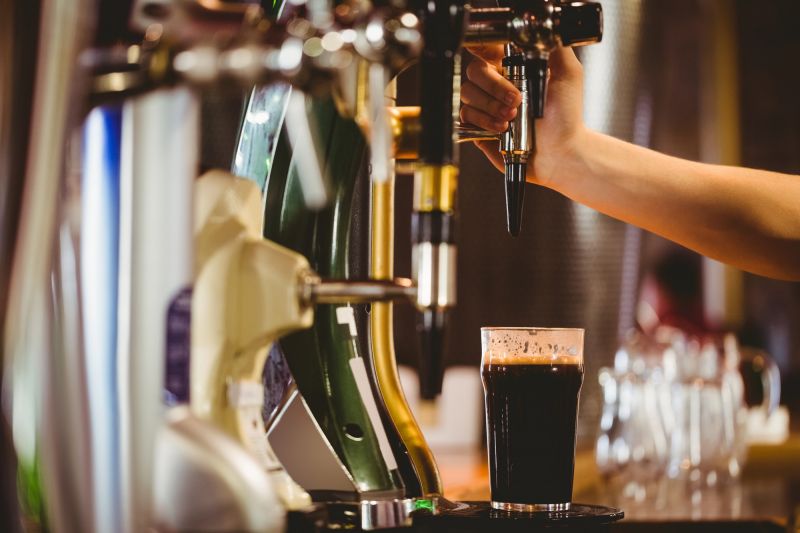
A new survey by four hospitality trade groups in the United Kingdom found that one in six businesses say they are at risk of failure within the next 12 months, as operators press the government to cut value-added tax and warn that rising costs are pushing more venues into loss.
The survey was conducted by UKHospitality, the British Beer and Pub Association, the British Institute of Innkeeping and Hospitality Ulster. It found that 23% of hospitality businesses are operating at a loss, up from 15% three months earlier. The findings were released as the Republic of Ireland lowered its VAT rate on hospitality to 9%, adding pressure on British operators who say they are becoming less competitive.
The campaign at the center of the debate, #VATsTheProblem, is calling for the U.K. government to reduce hospitality VAT from 20% to 10%. Organizers say more than 240,000 people have backed a petition in support of the change. The campaign has been led publicly by chef Tom Kerridge and has gained support across pubs, restaurants, hotels and cafes.
The trade bodies said the sector’s tax burden is worsening an already difficult business climate. In a joint statement, they said more companies are being forced to decide whether they can continue trading. They argued that hospitality businesses are central to local economies and communities, supporting jobs and commercial activity in cities, towns and villages across the country.
The timing of the survey added force to that argument. Ireland’s move to a 9% VAT rate for hospitality took effect on July 1, while businesses in Britain remained subject to a 20% rate that campaigners describe as one of the highest in Europe. Support for a lower rate appears broad within the industry: 89% of respondents said they backed a cut.
From July 1, hospitality venues were expected to begin speaking directly with customers about the campaign and urging them to support a lower VAT rate. The effort is designed to turn concern over closures and losses into wider public pressure on policymakers.
Kerridge said the latest figures showed why a reduction to 10% was needed. He argued that Britain’s hospitality sector continues to face an unfair tax burden compared with much of Europe, where lower rates are more common. He pointed to Ireland’s decision as the latest example of a neighboring market moving in the opposite direction from Britain.
The issue matters beyond restaurants and hotels because pubs, bars and other on-trade venues are major outlets for beer, wine and spirits sales. If more operators cut hours, reduce capacity or close altogether, drinks producers and distributors could face weaker demand in one of their most important sales channels. A lower VAT rate, if adopted, could ease some pressure on those venues and help preserve beverage sales tied to eating and drinking out.
The survey results also suggest that financial stress in the sector is deepening quickly rather than stabilizing. A rise from 15% to 23% in loss-making businesses over just three months points to worsening margins at a time when operators say they are still absorbing higher costs. The trade groups did not present VAT as the only cause of those pressures, but they framed it as one of the clearest policy levers available to government.
For many businesses, the comparison with Ireland has become politically useful as well as commercially important. Operators in Britain now face a situation in which a nearby market has chosen tax relief for hospitality while they continue to argue for similar treatment at home. That contrast is likely to sharpen lobbying efforts in the weeks ahead as campaigners try to persuade ministers that tax policy is affecting survival rates across the sector.
The trade associations said the consequences would extend beyond balance sheets if closures continue. They described pubs, restaurants, hotels and cafes as part of everyday social life and warned that losing them would damage employment, local high streets and community life. Their message was that without relief, more businesses may move from warning signs into permanent closure over the coming year.
