U.K. Survey Finds Pubs and Bars Shut Out Many People With Mobility Needs
Research shows 39% rate pubs and bars hard to access, reinforcing isolation and raising pressure on hospitality venues to improve access.
Monday, June 29, 2026
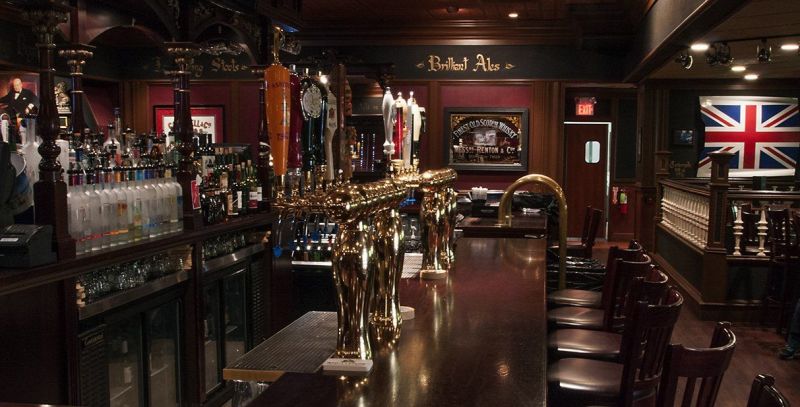
Pubs, bars and restaurants are among the least accessible public places in the United Kingdom for people with mobility needs, according to new research based on a survey of 2,000 adults.
The study found that 39% of respondents identified pubs and bars as difficult to access, placing them among the worst-rated public spaces in the survey. Restaurants and cafés followed at 35%. The research was commissioned by Muick Sandy, a mobility specialist, and points to barriers that affect not only movement but also daily life and social participation.
More than four in five respondents, or 82%, said mobility problems had affected their independence. Half said accessibility issues in their local area prevented them from socializing. Based on an estimated 7.6 million people living with mobility issues in the UK, the findings suggest that isolation is widespread among this group, with almost four in five reporting that they feel isolated because of their condition.
The survey also found broad dissatisfaction with public support. Nearly two-thirds, or 63%, said they believed the UK was failing to support people with mobility needs. The results add to concerns about how public venues are designed and managed, especially places tied to everyday leisure and hospitality.
For pubs, bars and other drinks-led venues, the findings point to a potential business issue as well as a social one. If customers with mobility needs face physical barriers or feel excluded from visiting licensed premises, operators may come under greater pressure to invest in access improvements. Over time, that could also shape foot traffic and spending in parts of the on-trade drinks sector.
The research also highlighted the stigma attached to mobility aids. Some 59% of respondents said embarrassment or fear of being judged had stopped them from using one, even though 83% said a mobility scooter would improve their quality of life.
Ben Kenny, director of Muick Sandy, said the results showed how attitudes toward mobility aids can deepen exclusion. “Millions of people would benefit from a mobility scooter, which would help them regain their independence, but embarrassment is keeping them isolated,” he said. “A mobility aid isn’t just about getting from place to place; it’s about regaining confidence and getting back to everyday life.”
The findings add to a wider debate in the UK over accessibility standards in public spaces and whether hospitality venues are doing enough to serve disabled customers and people with reduced mobility. In a sector where pubs and bars often function as central meeting places, limited access can mean more than inconvenience. It can restrict participation in social life and reduce access to spaces that remain important to local communities.