Bruichladdich begins its annual hand harvest for The Botanist gin on Islay
Foragers gather 22 wild island botanicals each spring in a weather-dependent process that shapes the spirit’s flavor and identity
2026-06-10
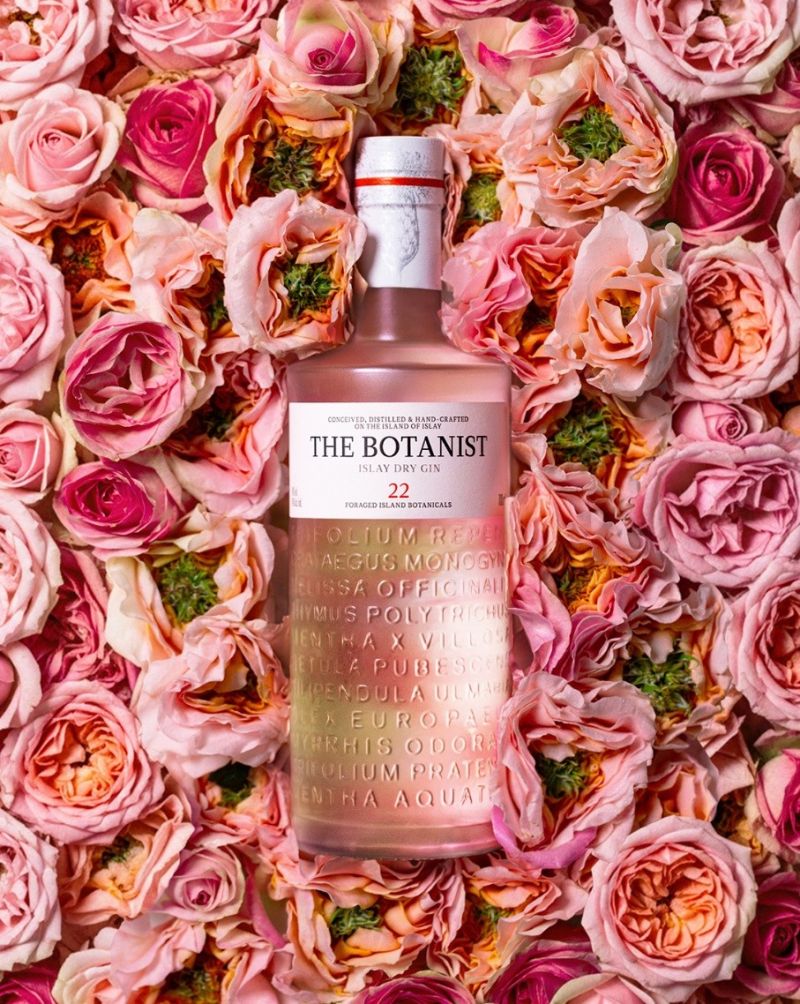
Each May, as spring reaches the Scottish island of Islay, Bruichladdich Distillery begins one of the most labor-intensive parts of making The Botanist gin: the hand harvest of 22 wild local botanicals that grow across the island’s Atlantic landscape.
The annual gathering takes place on Islay, off Scotland’s west coast, where Bruichladdich has operated since 1881. The gin, launched in 2011, is made as an Islay Dry Gin and built around plants foraged on the island rather than farmed ingredients grown for industrial production. According to the company, the harvest is carried out sustainably and follows the natural timing of each plant’s growth and flowering cycle.
Since 2018, the work has been led by James Donaldson, The Botanist’s official forager, now joined by Kate Hannett. Over several weeks, they move across the island collecting flowers, leaves and aromatic herbs at what the distillery describes as their ideal stage of development. Donaldson said careful timing is essential because each plant behaves differently once picked. Some can simply be dried evenly, while others require more delicate handling before drying begins. Elderflower, for example, must be prepared by hand flower by flower.
That work is shaped by Islay’s climate. The island records close to 200 rainy days a year, making weather a constant factor in deciding when and how to gather each botanical. The process depends not only on access to the plants but also on close knowledge of local conditions and habitats.
After harvest, the botanicals are taken to the distillery and dried slowly in the attic using natural ventilation alone. Bruichladdich says no heat or accelerated industrial drying methods are used. Instead, the plants are spread on wooden racks and turned by hand several times a day to help preserve their essential oils and aromatic character. Some especially fragile ingredients, including hawthorn and elder flowers, are made into tinctures to capture aromas that might otherwise fade quickly.
The 22 wild Islay botanicals are combined with nine more traditional gin ingredients, including berries, seeds, bark and peels. They are then distilled slowly in a modified Lomond still, a piece of equipment more commonly associated with whisky production but adapted here for gin. The result, according to the distillery, is a layered spirit that combines juniper with herbal, floral, citrus and spice notes drawn from the island’s vegetation.
Bruichladdich presents The Botanist as a product closely tied to Islay’s terroir, using a term more often applied to wine to describe how place influences flavor. In this case, the company links the gin’s profile to the island’s wild terrain, maritime weather and native plant life. That positioning has helped distinguish it in a crowded premium gin market where many brands rely on imported botanicals and standardized recipes.
The gin is bottled at 46% ABV and produced through double distillation. Bruichladdich says its approach rests on ingredient transparency, local sourcing, community ties and sustainability. In 2020, the distillery said it became the first whisky and gin distillery in Europe to receive B Corp certification, a designation intended to recognize social and environmental standards.
The renewed focus on harvesting each May also serves as a reminder of how much manual agricultural work remains behind some premium spirits. In The Botanist’s case, production begins not in a warehouse or blending room but outdoors on an island where rain, seasonality and plant cycles still determine part of the schedule. For Bruichladdich, that seasonal rhythm is central to both the identity of the gin and its commercial story.
The emphasis on hand-foraged botanicals comes at a time when consumers in spirits increasingly look for products with traceable origins and clear production methods. On Islay, Bruichladdich has turned that demand into a narrative rooted in local geography and craft labor. The company’s message is that The Botanist is not only distilled on Islay but built from ingredients gathered there by hand each spring.
That claim gives the brand a strong tourism dimension as well. Islay is already known internationally for its peated single malt whiskies, and Bruichladdich has used The Botanist to broaden that image beyond whisky alone. By tying the gin to wild plants found across the island, it offers visitors another way to understand Islay through flavor, landscape and season.
For now, May remains one of the key moments in that cycle. It marks the start of a harvest that depends on weather windows, patient drying and detailed botanical knowledge before any spirit reaches the still. In an industry often defined by scale and consistency, The Botanist continues to present its production as one shaped first by what can be found growing on Islay itself.
