Morellino di Scansano Adds a Superiore Tier to Its DOCG Rules
The new category formalizes a style that already makes up about 30% of production and gives Tuscan producers a clearer premium label for pricing and exports.
Thursday, July 2, 2026
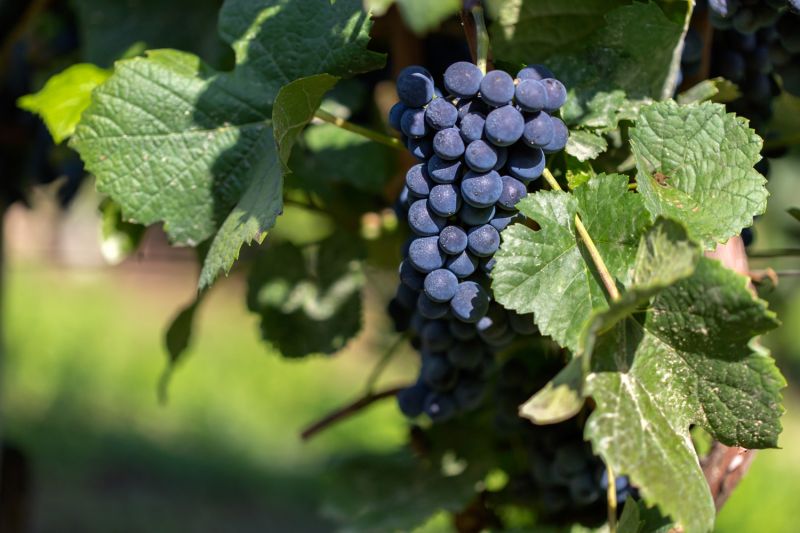
Morellino di Scansano, the Tuscan red wine denomination from Maremma, has added a new “Superiore” category to its DOCG rules, a change that producers and trade groups see as a way to better distinguish wines already widely made in the area and to strengthen the denomination’s position in restaurants, wine shops and export markets.
The change was formalized by an Italian ministerial decree dated Jan. 28, 2026, according to Unione Italiana Vini, which reported on the update this week. The new category gives formal recognition to a production style that had already become important within the denomination. By volume, Superiore-style wines already accounted for about 30% of Morellino di Scansano production, but until now there was no specific mention on the label framework to separate them from other wines under the same DOCG.
That gap had created a practical problem for wineries. Without a distinct category, producers faced limits in explaining why some bottles carried higher prices than others even though they belonged to the same appellation. The new rules are meant to give those wines a clearer identity and a defined production standard.
Under the revised specification, Morellino di Scansano Superiore must contain at least 85% Sangiovese. It also faces tighter production requirements than the broader denomination, including maximum yields of 80 quintals per hectare, a minimum alcohol level of 13%, and release for sale no earlier than Jan. 1 of the second year after harvest. Grapes intended for Superiore must also be declared suitable for that category at harvest time, a measure presented as part of a more transparent approach for consumers.
The rules do not require aging in wood. That choice reflects the style many producers in Maremma have been pursuing with Sangiovese: fresher, brighter and more immediate wines rather than reds defined by oak treatment.
The debut of the new category was highlighted around the 2026 edition of Rosso Morellino, an event organized by the Consorzio Tutela Morellino di Scansano DOCG. The consortium has been using the occasion to present the denomination’s next commercial phase as it tries to sharpen its market profile.
Bernardo Guicciardini Calamai, the consortium’s president, who has been re-elected for a third consecutive term, has pointed to Superiore as a tool to strengthen the denomination’s presence in restaurants and wine stores while opening additional room for growth. For beverage buyers and sellers, that could matter because a more clearly defined upper tier may help justify price differences on shelves and wine lists and make the wines easier to position in Horeca channels and abroad.
The denomination still sells about 75% of its wine in Italy, according to the report, showing how much of its business remains tied to the domestic market even as producers look outward. Export development is part of that strategy, alongside efforts linked to slower-paced tourism, green mobility and younger consumers.
Those outreach efforts include projects that connect wine with cycling tourism, local territory and even cocktails made with Morellino. The addition of Superiore does not change the core identity of the denomination, which remains centered on Sangiovese from coastal Tuscany, but it gives producers a formal category they can use to separate stricter selections from standard bottlings at a time when many Italian wine regions are trying to refine their message in crowded markets.