South Australia will spend A$3.9 million to support wine exporters
The new program targets China, the United States, the United Kingdom and Southeast Asia as wineries confront tariffs and weaker demand.
2026-06-08
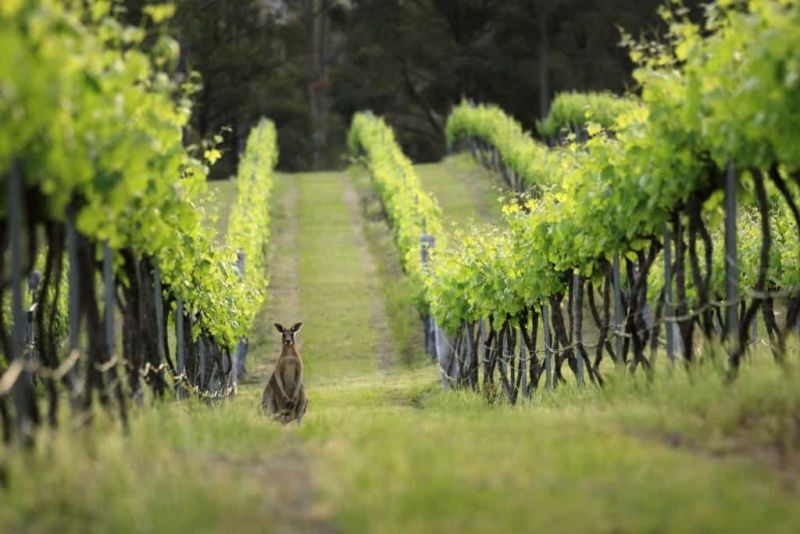
South Australia said it will provide A$3.9 million over two years to support wine exporters as producers face tariffs, oversupply and weaker demand in parts of the global market, adding a new layer of public backing for one of the state’s most important export industries.
The state government announced the Global Wine Growth Program ahead of the release of its broader Trade and Investment Strategy to 2030. Officials said the program will be designed with the local wine industry and will focus on commercial results in established markets such as China, the United States and the United Kingdom, while also seeking growth in Southeast Asia.
The measure comes at a sensitive moment for wine producers in Australia, where exporters have been trying to rebuild sales after years of disruption in China while also dealing with a more unstable trading environment. South Australia said the new package is intended to help wineries adjust to those conditions and strengthen the state’s international profile.
According to the government, South Australian wine exports totaled more than A$1.9 billion in the year through March 2025. That represented more than two-thirds of Australia’s total global wine exports during that period, underlining the state’s central role in the national industry.
Officials linked the new initiative to earlier support aimed at restoring trade with China. The government said its A$1.85 million Wine Exporters China Re-engagement Support Program, announced in March 2024, helped South Australia recover 90% of its previous peak wine exports to China within a year. The state said that pace exceeded results in other Australian states.
The new funding is also part of a wider response to trade pressures. The government said it is the first of several measures to be financed through an additional A$5 million approved in the latest state budget for industries and businesses affected by tariffs and current global trade conditions.
Beyond export promotion, South Australia said it has committed A$1 million a year to Brand SA, a state marketing body that promotes local products and identity, as part of an effort to support domestic consumption alongside overseas sales.
The announcement highlights how governments in major wine-producing regions are trying to respond to a mix of structural and short-term problems. Producers have been contending with excess supply, changing consumer tastes and uneven demand across key markets. Those pressures have weighed on pricing and inventory management even as some export channels have reopened.
South Australia remains the core of Australia’s premium wine business. The government said the state has more than 700 wineries across 18 wine regions, produces 80% of Australia’s premium wine and accounts for 70% of the country’s wine and grape research capacity.
Trade and Investment Minister Joe Szakacs said the program is meant to help wineries adapt to changing market conditions and expand their reach abroad. In comments released with the announcement, he said recent export support programs had helped lift shipments back toward record levels and that the new initiative would deepen that effort.
Industry representatives welcomed the funding but also pointed to continuing strain across the sector. Matthew McCulloch, managing director of Langmeil Winery and a board member of the South Australian Wine Industry Association, said producers are still facing difficult conditions because of shifts in consumer preferences, global oversupply and volatility in trade.
He said wineries want to work with the government on market activation plans under the new program and continue building demand in priority export destinations.
The timing of the announcement also places wine at the center of South Australia’s broader economic messaging. The state is preparing to launch its trade and investment strategy this week, while Adelaide is also hosting delegates from across the sector for the 19th Australian Wine Industry Technical Conference, scheduled for July 20 through July 23. The gathering is expected to focus on both immediate commercial pressures and longer-term opportunities for producers.
For exporters, the significance of the new package lies less in its size than in its targeting. By directing support toward both mature markets and newer destinations, South Australia is signaling that it does not want its wine industry tied too closely to any single buyer or region after recent years showed how quickly trade settings can change.
That approach reflects a broader lesson from the past several years for wine businesses across Australia: recovery in one market can improve revenues quickly, but long-term stability depends on diversification, stronger branding and sustained access to consumers in multiple countries.
